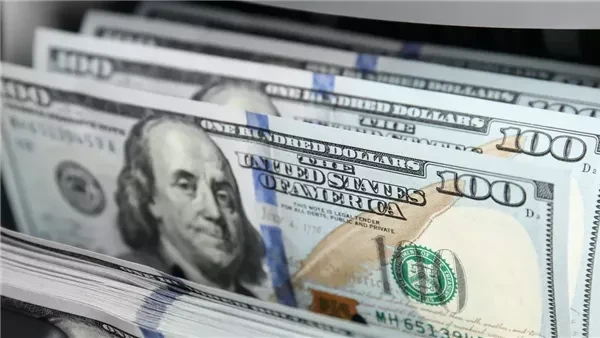
Recent statistics reveal a decline in the US dollar alongside a rise in the Indonesian rupiah, fueled by expectations of increased investments in Indonesian markets. This shift follows the reopening of markets after a weekend holiday.
An Indonesian source reported that Indonesian markets have experienced a surge in stock and currency prices, following the reopening of markets after the weekend break.
Details of the Event
Recent statistics indicate a decline in the US dollar and an increase in the Indonesian rupiah, amid expectations of rising investments in Indonesian markets. The Indonesian source highlighted that the markets have witnessed a significant uptick in both stock and currency values.
With the reopening of the markets, investors are optimistic about the potential for growth in Indonesia, which is seen as a favorable environment for foreign investments.
Background & Context
These developments are attributed to the economic impacts of the Iranian conflict, which may lead to an increase in investments in Indonesian markets. The geopolitical tensions have prompted investors to seek more stable and promising markets, such as Indonesia.
Furthermore, the Indonesian source reiterated that the markets have seen a notable rise in stock and currency prices, indicating a positive response from investors following the weekend's market closure.
Impact & Consequences
This development could lead to a significant increase in investments in Indonesian markets, potentially resulting in higher stock and currency prices. The influx of capital may enhance market liquidity and stimulate economic growth.
Moreover, the anticipated rise in investments could attract more foreign investors, further boosting the Indonesian economy and increasing its attractiveness as an investment destination.
Regional Significance
This trend may have broader implications for the Arab region, as increased investments in Indonesian markets could lead to a shift in investment patterns. Investors from the Arab world might consider diversifying their portfolios by investing in emerging markets like Indonesia.
In conclusion, the recent changes in currency values reflect a dynamic shift in the investment landscape, with Indonesia emerging as a key player in attracting foreign capital.