On Wednesday, April 8, 2026, the US dollar experienced a significant decline globally, with its value dropping markedly against most foreign currencies. This change in exchange rates comes at a sensitive time for the global economy, raising questions about the factors that led to this decrease.
Conversely, other foreign currencies recorded notable increases, reflecting changes in demand and supply in financial markets. This drop in the dollar's value could have wide-ranging effects on international trade and investment, necessitating close monitoring by investors and decision-makers.
Event Details
According to reports, the US dollar has dropped significantly, impacting global financial markets. Experts attribute this decline to several factors, including economic and political tensions in major countries, as well as changes in monetary policies adopted by central banks.
Recent economic data, including inflation and growth rates, have also contributed to this downturn. Meanwhile, other currencies, such as the euro and the British pound, have seen their values rise, indicating a shift in investor preferences.
Background & Context
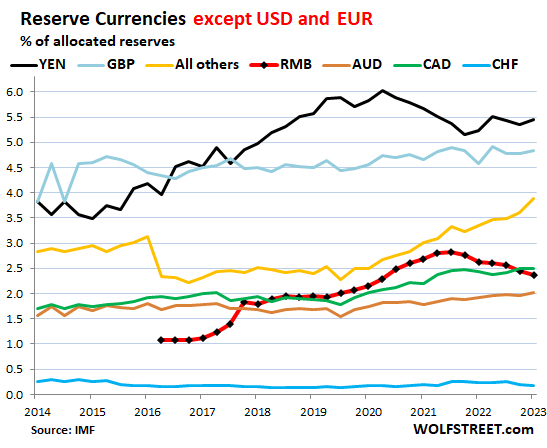
Historically, the US dollar is considered one of the major currencies in the world and significantly influences the global economy. Over the years, the dollar has experienced several fluctuations due to political and economic events. In recent years, some countries have attempted to reduce their reliance on the dollar in international trade.
These events occur in a changing global context, where economic challenges are increasing, raising questions about the future of the dollar and its position in the global financial system. Shifts in economic power could lead to a reshaping of the global financial landscape.
Impact & Consequences
The decline of the US dollar could significantly affect the global economy, as it may lead to increased import costs for countries that rely on the dollar in their trade. This drop could also impact foreign investments in the United States, potentially causing fluctuations in financial markets.
Moreover, the rise of other currencies may increase competition in global markets, which could affect American companies and make it more challenging to export their products. These dynamics could lead to changes in the economic policies of the affected countries.
Regional Significance
For the Arab region, the decline of the dollar may have mixed effects. On one hand, it could lead to increased import costs from countries that rely on the dollar, potentially affecting local prices. On the other hand, some countries may benefit from the rise in their currencies against the dollar, enhancing their competitiveness in global markets.
Ultimately, the current situation requires close monitoring by governments and decision-makers in the region, as fluctuations in exchange rates could significantly impact local economies.