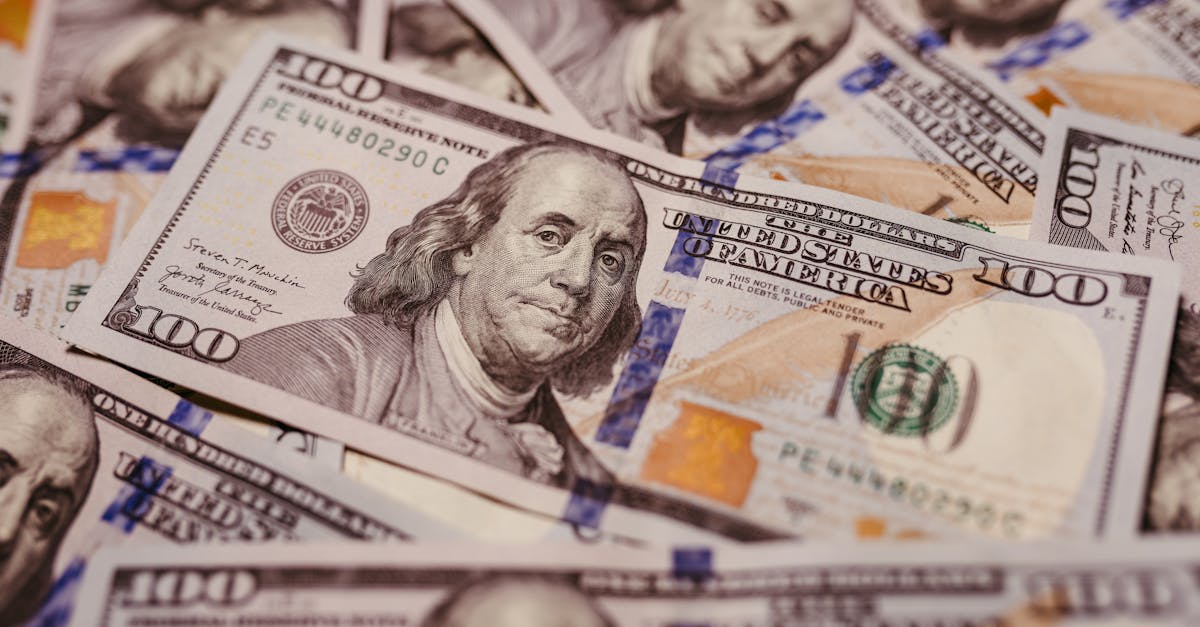
The US dollar showed relative stability in global markets today, Thursday, May 28, 2026, maintaining its levels against several major currencies. This stability occurs at a time when the global economy is experiencing notable fluctuations, prompting questions about the future of the dollar and its influence on financial markets.
The value of the dollar is influenced by several factors, including the monetary policy pursued by the US Federal Reserve, as well as economic data released from the United States. Recently, economic reports have shown improvements in certain sectors, contributing to the support of the dollar against other currencies.
Current Dollar Exchange Rates
According to the latest updates, the US dollar is valued at 1.12 euros, 1.35 British pounds, and 110 Japanese yen. These figures reflect the stability of the greenback under current economic conditions. There are also expectations that the dollar will continue to maintain its strength in the near future, especially with ongoing global demand for it.
It is worth noting that the US dollar is the most traded currency in the world and is used as a reserve currency in many countries. This makes its movements in financial markets of significant importance to both investors and economists alike.
Background & Context
Over the years, the US dollar has experienced significant fluctuations due to economic and political events. Since the global financial crisis of 2008, the United States has taken bold steps to support its economy, which has contributed to enhancing the value of the dollar. However, current challenges such as inflation and potential recession may impact the stability of the currency.
In recent years, the US dollar has become a focal point for investors amid growing concerns about economic crises in various regions of the world. This reflects the importance of the dollar as a safe haven during times of uncertainty.
Impact & Consequences
The stability of the US dollar has wide-ranging effects on the global economy. When the dollar rises, it becomes difficult for other countries to compete in global markets, which may lead to a decline in their exports. Additionally, a stronger dollar affects the prices of essential commodities, reflecting on the cost of living in many countries.
Moreover, the stability of the dollar reflects confidence in the US economy, which may encourage foreign investments. This could lead to enhanced economic growth in the United States, thereby improving the global economic situation overall.
Regional Significance
Arab countries are significantly affected by the movements of the US dollar, as many nations rely on the dollar for their international trade. The stability of the dollar may help bolster trade between Arab countries and the United States, benefiting local economies.
On the other hand, a rising dollar could increase import costs, affecting prices in local markets. Therefore, monitoring dollar movements is vital for Arab countries to ensure the stability of their economies.
In conclusion, the US dollar remains a key player in the global economy. Its stability today reflects current economic conditions and underscores the importance of tracking its movements and their impact on financial markets.