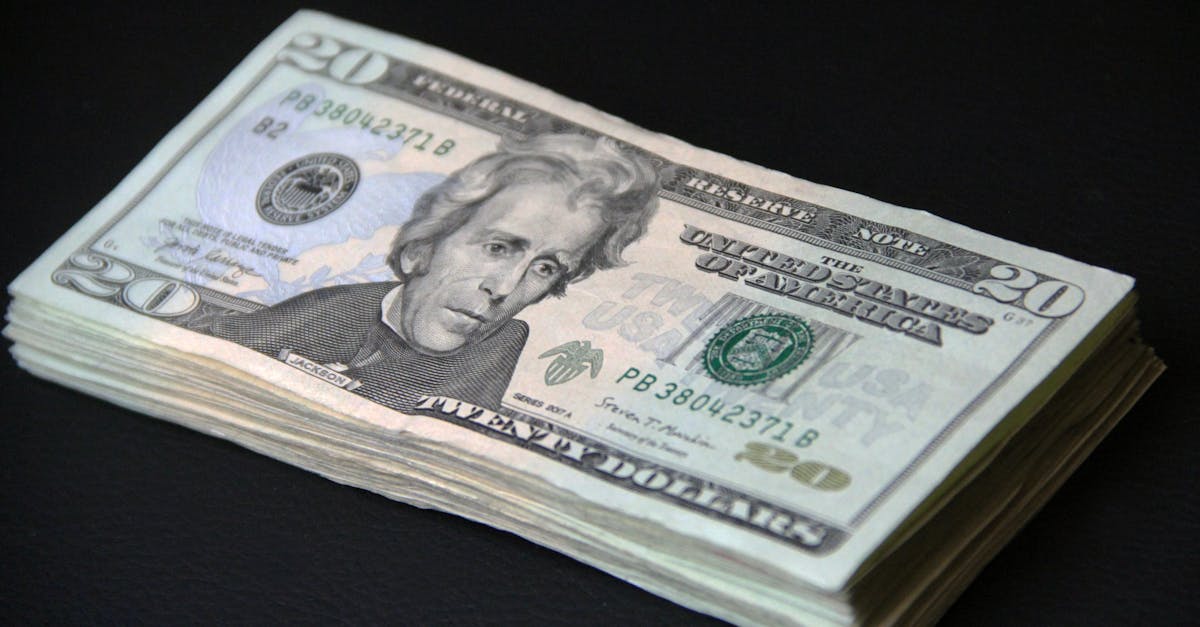
The US dollar rose significantly against major currencies after President Donald Trump delivered a speech on Thursday, where he indicated that the conflict in Iran might be nearing its end, but US military strikes would continue in the coming weeks. This statement heightened concerns in the financial markets, impacting investor expectations.
Following the speech, the dollar index recorded an increase to 99.925, ultimately closing at 99.861, marking a rise of 0.3%. This increase comes after a two-day decline, during which investors had hoped for a near ceasefire in the conflict that began in late February.
Details of the Event
In his speech, Trump asserted that the conflict in Iran would soon conclude, but he added that US forces would continue targeting specific sites within the country. This statement did not reassure the markets; instead, it heightened fears of an escalation in the conflict. Carol Kong, a currency strategist at Commonwealth Bank of Australia, remarked that markets are beginning to realize that the war might escalate further before it calms down.
This situation led to a decline in the value of the euro and the British pound, with the euro dropping to $1.1554 and the pound to $1.3254, reflecting the speech's impact on the markets. The Australian and New Zealand dollars also experienced a decrease of approximately 0.6%.
Background & Context
Historically, relations between the United States and Iran have been tense, particularly following the US withdrawal from the Iranian nuclear deal in 2018. Since then, the region has witnessed an escalation in conflicts, affecting global markets. The recent conflict in Iran comes at a sensitive time, with rising concerns about its impact on the global economy.
Iran is considered a key player in the region, and any escalation in the conflict could affect oil prices and global financial markets. In recent weeks, oil prices have risen due to tensions in the area, increasing inflationary pressures on the US economy.
Impact & Consequences
The continuation of the conflict in Iran is expected to have negative effects on the global economy, as fears of a recession may increase. If the situation remains unchanged, the US Federal Reserve may consider lowering interest rates, a move that had been ruled out recently due to rising oil prices.
Financial markets are under increasing pressure, as investors are turning towards safe-haven assets like the US dollar. This shift could lead to further volatility in the markets, especially if the conflict persists for an extended period.
Regional Significance
Events in Iran directly impact neighboring Arab countries, as Iran is a key player in many regional conflicts. The escalation of the conflict could lead to increased tensions in the region, affecting political and economic stability.
Moreover, rising oil prices due to the conflict could impact Arab economies, as many countries rely on oil revenues. It is crucial for Arab nations to monitor developments in Iran and their implications for their economic and political interests.
In conclusion, the situation in Iran remains a focal point for the world, affecting financial markets and global economies. It is essential for Arab countries to closely observe developments, as they may have significant repercussions for the region.