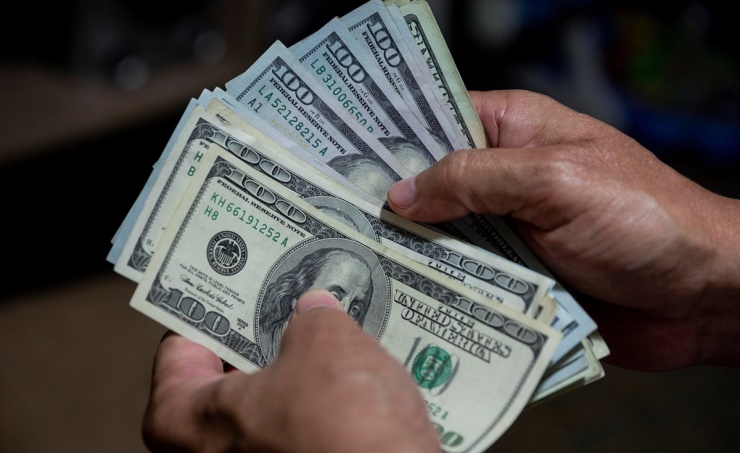
The US dollar is currently witnessing a notable increase, moving towards achieving its best performance since July of last year. This rise occurs amid ongoing conflicts in the Middle East, which have significantly affected global financial markets, including Wall Street. This new situation imposes challenges and new strategies for investors in financial markets.
According to reports, the US dollar has recorded a significant increase in value against other currencies, reflecting a state of instability in global markets. Investors are turning to the dollar as a safe haven amid geopolitical crises, indicating confidence in the American currency as an investment tool.
Event Details
In recent weeks, the Middle East has witnessed a rise in tensions, leading to direct impacts on financial markets. Ongoing conflicts in the region, including armed disputes and political crises, have pushed investors to seek safer assets. The dollar, as one of the major reserve currencies in the world, has become the top choice for many.
This increase in the dollar's value also reflects changes in the monetary policies of the US Federal Reserve, which may affect interest rates in the future. Investors are closely monitoring any signals from the central bank regarding monetary policy trends, which could influence the dollar's movement in the coming days.
Background & Context
Historically, the US dollar is considered the most widely used currency in international trade, and its value has experienced significant fluctuations over the years. Since the beginning of the new millennium, the dollar's value has been affected by several factors, including global economic crises, monetary policies, and geopolitical tensions. In recent years, crises in the Middle East have increased the dollar's importance as a safe haven for investors.
Last July, the dollar also saw a rise, but the current situation appears more stable, as the dollar is on track to achieve its best performance since then. This strong performance reflects growing confidence in the US economy, despite the challenges facing the country.
Impact & Consequences
The current rise in the dollar's value has multiple implications for the global economy. On one hand, it may lead to increased import costs for other countries, potentially affecting inflation in those nations. Additionally, a stronger dollar could negatively impact US exports, making American products more expensive for foreign buyers.
On the other hand, a rising dollar is a positive indicator of the strength of the US economy, which may attract more foreign investments. Investors are seeking new opportunities in the US market, which could lead to increased economic activity in the country.
Regional Significance
In the Arab region, this rise in the dollar's value may have direct effects on local economies. Many Arab countries rely on imports; therefore, a stronger dollar could lead to rising prices, impacting living standards. Additionally, countries dependent on oil exports may face additional challenges, as a stronger dollar could reduce the competitiveness of their products in global markets.
Furthermore, political tensions in the Middle East may affect the stability of financial markets, increasing uncertainty among investors. It is crucial for Arab countries to monitor these developments and devise strategies to adapt to changes in global markets.