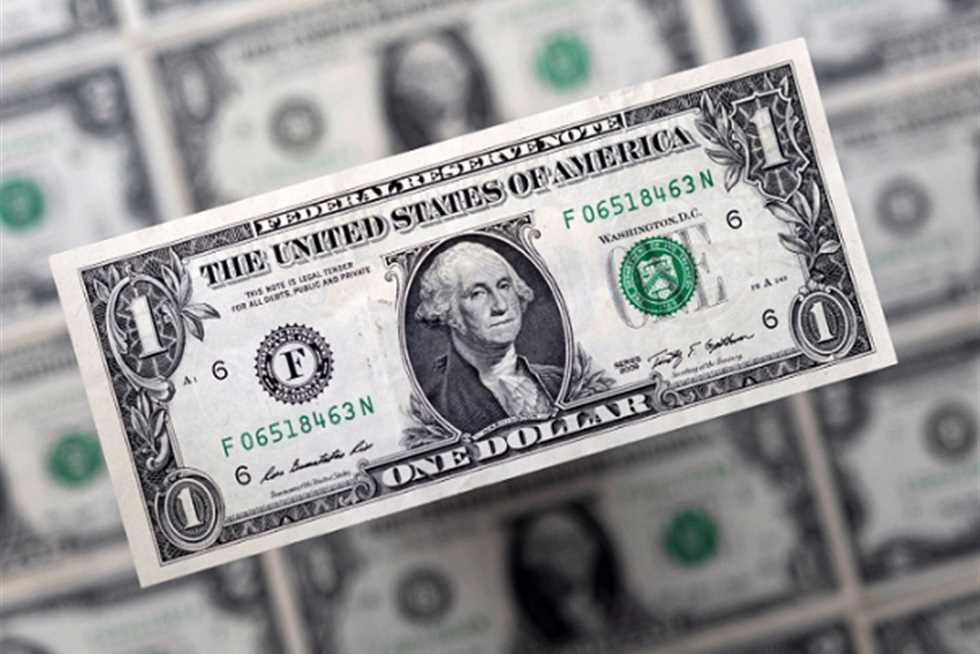
The dollar stabilized on Wednesday as markets focused on talks between the United States and Iran, with both parties seeking to resolve the ongoing conflict. Traders adopted a neutral stance while awaiting US inflation and growth data expected to be released later this week.
Concerns regarding the situation in Iran also impacted the markets, especially following renewed US military operations against Iran. These developments have put investors on alert, reflecting the prevailing uncertainty in financial markets.
Details of the Event
In terms of currency movements, the euro rose by 0.1%, while the British pound remained largely unchanged. The USD/JPY pair experienced a slight decline after rising above 159 yen. On the other hand, the Chinese yuan remained close to its lowest levels in three years, reflecting ongoing pressures on the Chinese currency.
The dollar index and related contracts stabilized during Asian trading after limited gains earlier in the week. The Australian dollar fell by approximately 0.3% following the release of April's Consumer Price Index data, which came in weaker than expected. A retreat in oil prices from March peaks and a significant government tax cut contributed to easing inflation.
Background & Context
The talks between the United States and Iran are significant events that influence global financial markets. Relations between the two countries have seen considerable tension in recent years, leading to an escalation of military and economic conflict. These discussions come at a sensitive time, as both sides seek to reach an agreement that alleviates tensions and restores stability to the region.
Moreover, US inflation and growth data play a crucial role in guiding the monetary policies of the Federal Reserve. Any changes in this data could significantly impact interest rate decisions, which in turn affects the dollar's movement in global markets.
Impact & Consequences
The impact of US-Iran talks could extend to global financial markets, where any progress in negotiations may lead to greater stability in oil prices and currencies. Conversely, ongoing tensions may result in further volatility in the markets, putting investors on edge.
Additionally, weak inflation data in Australia could strengthen the Reserve Bank of Australia's position to keep interest rates unchanged in June, but analysts warn that inflation may rise again later this year, potentially opening the door for further increases.
Regional Significance
The situation in Iran and its impact on the dollar are critical issues for the Arab region. Any changes in US policies towards Iran could affect regional stability, especially given the complex relationships between Arab countries and Iran.
Furthermore, the stability of the dollar has a direct impact on Arab economies, as many countries rely on the dollar for their international trade. Any fluctuations in the dollar's value could influence the prices of goods and services in the region.
In conclusion, markets remain on alert for the outcomes of the US-Iran talks, as these negotiations may determine the trajectory of the global economy in the near future.