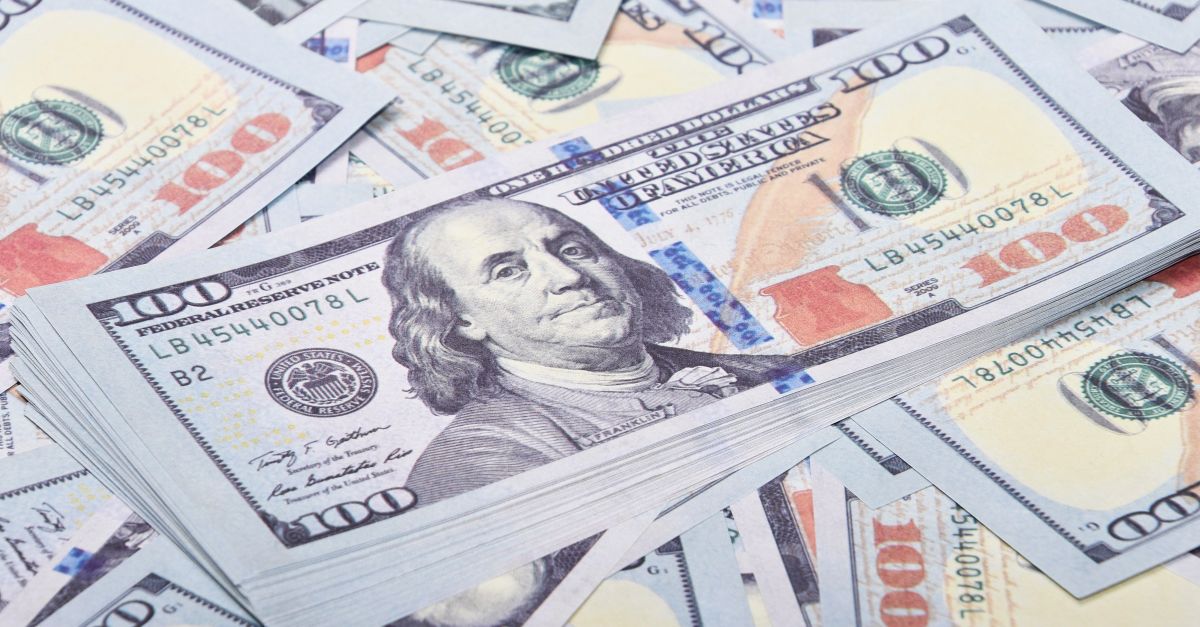
The US dollar has stabilized near its highest level in two months, experiencing notable fluctuations in financial markets. This stability occurs during a sensitive time for the global economy, where many countries are impacted by changes in exchange rates.
Concerns are rising regarding the effects of inflation and increasing interest rates on financial markets, prompting investors to seek safe havens such as the dollar. Recent economic data has shown that the dollar has made significant gains, reflecting confidence in the US economy compared to other economies.
Event Details
According to reports, the dollar recorded an increase of 0.5% over the past week, reaching levels not seen in two months. This rise comes amid expectations that the US Federal Reserve may continue to raise interest rates to combat rising inflation.
At the same time, other currencies, such as the euro and the British pound, continue to face pressures due to economic and political crises in their regions. This situation increases the demand for the dollar as a reserve currency.
Background & Context
Over the years, the US dollar has experienced significant fluctuations due to global economic and political events. In recent years, the COVID-19 pandemic caused major disruptions in the markets, affecting the value of the dollar. As economic recovery begins, the dollar has started to regain some of its lost value.
Additionally, geopolitical tensions, such as trade disputes between the US and China, play a role in determining dollar trends. These factors make it challenging to predict the future of the dollar in the markets.
Impact & Consequences
The rise of the dollar has multiple effects on the global economy. On one hand, it can lead to increased import costs for countries that rely on imported goods, potentially contributing to inflation. On the other hand, a stronger dollar can enhance the purchasing power of American consumers.
Furthermore, a rising dollar may impact emerging markets, as it could lead to the withdrawal of foreign investments, increasing economic pressures on these countries.
Regional Significance
For the Arab region, the stability of the dollar at high levels may affect the economies of oil-dependent countries. A stronger dollar means that oil-importing countries will face higher costs, which could impact their budgets.
Moreover, Arab countries that import essential goods will face additional challenges amid rising prices, potentially leading to increased inflationary pressures.
In conclusion, the US dollar remains a focal point for both investors and analysts, as everyone closely monitors market developments and their potential impacts on the global economy.