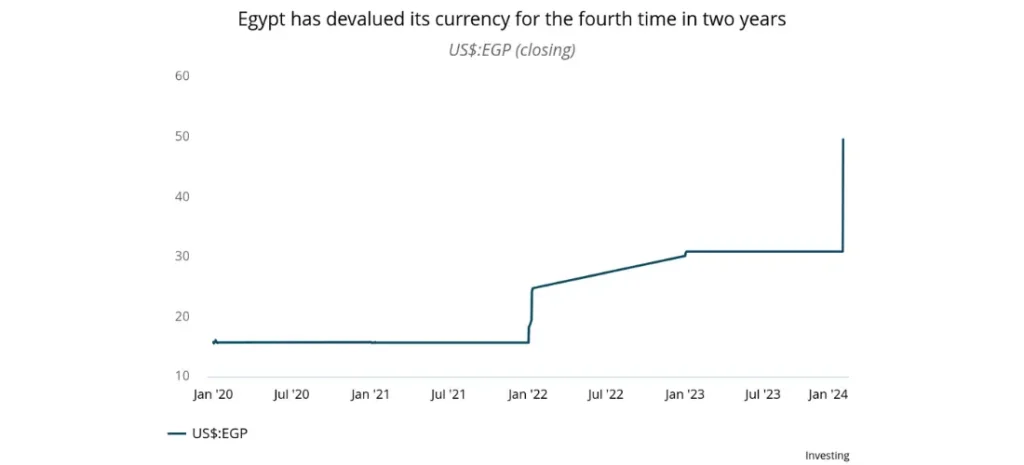
On Saturday, March 28, 2026, the price of the US dollar rose significantly, closing the week at a historic level exceeding 52.80 Egyptian pounds. This increase comes at a time when the local currency is facing mounting pressures, raising concerns among citizens and investors alike.
Fears are growing about the impact of this rise on local prices, with many experts predicting that it will lead to increased living costs in the country. As the value of the pound continues to deteriorate, the Egyptian economy faces significant challenges that require urgent interventions from the government and the central bank.
Event Details
In a related context, black market dollar prices have also reached high levels, reflecting the increasing demand for the US currency amid successive economic crises. The past few days have seen significant fluctuations in the exchange rate, making it difficult for citizens to plan their daily expenses.
Observers have noted that this rise comes at a time when the country is suffering from a severe shortage of foreign currencies, further increasing the pressures on the Egyptian pound. This situation serves as a wake-up call for the Egyptian government, which needs to take swift steps to address this crisis.
Background & Context
Historically, Egypt has experienced significant fluctuations in exchange rates, especially after the flotation of the pound in 2016. Since then, the country has faced multiple economic challenges, including inflation and liquidity shortages. With the ongoing war in Ukraine and its effects on global commodity prices, pressures on the Egyptian economy have notably increased.
Moreover, the monetary policies implemented by the Central Bank of Egypt have not been sufficient to curb the depreciation of the pound, prompting many analysts to call for comprehensive structural reforms in the Egyptian economy.
Impact & Consequences
This rise in the dollar's price is expected to have negative effects on the Egyptian economy, as it will lead to increased import costs, adversely affecting local prices. Additionally, rising prices may exacerbate the poverty crisis in the country, with many citizens facing increasing economic pressures.
Furthermore, this situation may impact foreign investments, as investors may hesitate to enter the Egyptian market amid economic instability. This, in turn, could affect the expected economic growth in the coming years.
Regional Significance
The crisis of the Egyptian pound is one of many economic challenges facing Arab countries at present. Many nations are suffering from rising prices of essential goods, increasing pressure on governments to provide support to citizens.
In this context, the escalating economic crises in Egypt may have negative repercussions on neighboring countries, as regional trade and joint investments could be affected. Additionally, continued economic pressures may lead to increased migration from Egypt to other countries in search of better opportunities.
In conclusion, the economic situation in Egypt remains in need of close monitoring, as the rise in the dollar's price could serve as a turning point in the economic policies being pursued. The government and the central bank must take effective steps to address this crisis before matters worsen.