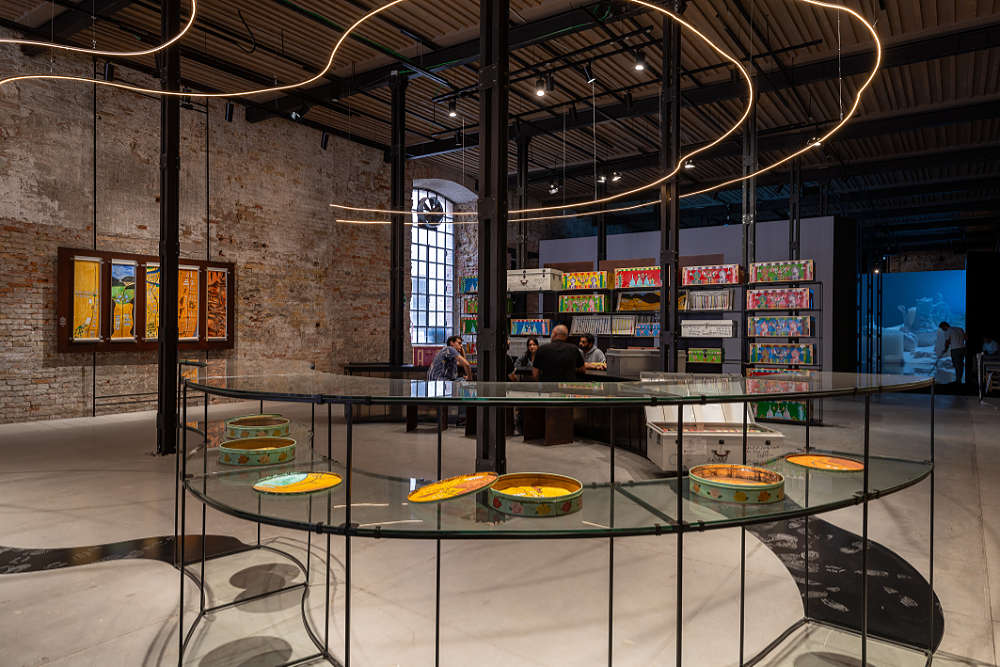
The recent decisions made by the Venice Biennale administration have sparked widespread debate regarding the concepts of justice and equality in dealing with nations. Lenient sanctions were imposed on both Israel and Russia, while no remarks or criticisms were recorded against the United States, reflecting a clear double standard.
This approach highlights the challenges faced by arts and culture amid international politics. The Venice Biennale is considered one of the most significant cultural events globally and is expected to serve as a platform for expressing human values and democratic principles.
Event Details
Recently, the Venice Biennale administration announced sanctions against several countries due to their human rights violations. However, the sanctions against Israel and Russia were notably mild, which has displeased many artists and critics. In contrast, no mention was made of any violations that may have been committed by the United States, indicating a selective policy in addressing international issues.
This situation serves as a call to reflect on how politics influence the arts and how cultural messages can be affected by political trends. Many artists have expressed their dissatisfaction with these decisions, considering them to undermine the credibility of the Biennale as a global platform.
Background & Context
The Venice Biennale was established in 1895 and is regarded as one of the oldest and most important art exhibitions in the world. Over the years, the Biennale has undergone numerous changes and developments, becoming a platform for artists from around the globe to showcase their works and express their opinions. However, the political and social challenges facing the world today significantly impact arts and culture.
Historically, the arts have always mirrored social and political realities. As international tensions rise, it has become essential for the arts to reflect humanitarian issues fairly and equitably. Yet, recent decisions indicate an urgent need to reassess how cultural institutions engage with political matters.
Impact & Consequences
These decisions could lead to negative repercussions for the reputation of the Venice Biennale, as it may lose its credibility as a platform for free arts. Additionally, this trend may prompt artists to reconsider their participation in cultural events that do not align with their values and principles.
Furthermore, these policies could exacerbate divisions within the artistic community, as some feel they are not fairly represented. This division can affect collaboration among artists from diverse backgrounds, limiting creativity and diversity in the arts.
Regional Significance
For the Arab region, these decisions reflect the ongoing challenges faced in the field of arts and culture. Many Arab artists suffer from political and social constraints that affect their ability to express themselves freely. Consequently, the double standards in addressing artistic issues may worsen these challenges.
This situation may also contribute to a growing sense of frustration among Arab artists, who seek to present works that reflect their realities and experiences. Therefore, the need to support arts and culture in the region remains crucial to addressing these challenges.
In conclusion, the double standards in the Venice Biennale's decisions raise questions about how politics affect the arts. It is vital for cultural institutions to promote values of justice and equality to ensure that the arts reflect the experiences of all peoples fairly.