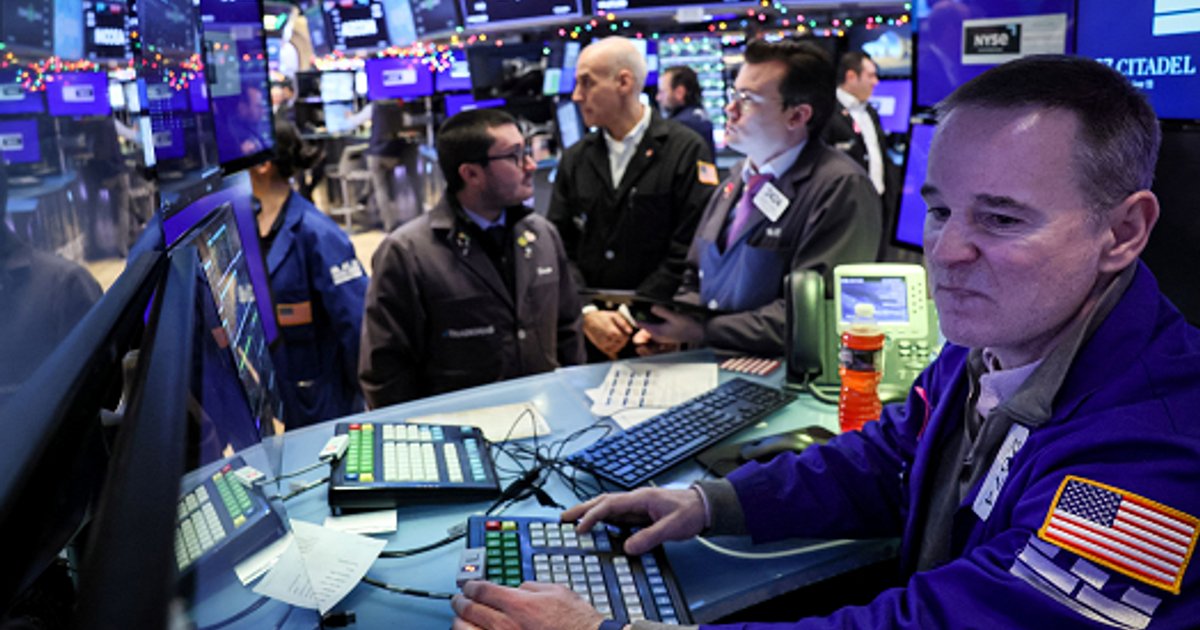
U.S. stocks experienced a notable increase during trading on Thursday, as the Dow Jones Industrial Average reached a new record high of 51,636 points, adding nearly 950 points. This strong performance came after a mixed start to the session, with markets benefiting from robust gains in traditional sectors, while technology stocks, particularly semiconductor manufacturers, faced declines.
The stock markets were significantly impacted by the drop in Broadcom's shares, which fell by 12.65% to $418.60, after the company reported revenues below expectations for the second quarter of the fiscal year. This decline in technology stocks raised concerns among investors, leading to a reluctance to invest in this sector.
Event Details
Despite the pressures faced by the technology sector, a relative improvement in the geopolitical landscape contributed to supporting the markets. A ceasefire agreement was announced between Israel and Hezbollah in Lebanon, which helped reduce regional tensions. This agreement led to a decrease in oil prices, which could have a positive impact on the U.S. economy.
However, a sense of caution still prevails among investors as they assess the prospects of U.S.-Iran negotiations. These negotiations could significantly affect oil prices and financial markets in the near future, keeping investors on alert.
Background & Context
Historically, the Dow Jones index is one of the oldest and most important stock indices in the United States, reflecting the performance of 30 of the largest American companies. In recent years, markets have experienced significant volatility due to geopolitical and economic events, impacting investor confidence.
Technology companies are among the most prominent sectors that have seen notable growth over the past decade, but they currently face challenges due to changes in demand and pricing. The decline in Broadcom's stock highlights the pressures these companies are facing, which could affect overall market performance.
Impact & Consequences
The record rise of the Dow Jones index could have positive implications for the U.S. economy, as it reflects investor confidence in traditional sectors. This increase could lead to heightened investments in these sectors, potentially contributing to economic growth.
However, investors must remain cautious of potential market fluctuations, especially with ongoing pressures on the technology sector. Any changes in economic policies or geopolitical events could influence market performance in the future.
Regional Significance
The U.S. markets are key indicators closely monitored by Arab markets, as any changes in their performance could impact investments and trade in the region. Improvements in the geopolitical landscape could contribute to stabilizing Arab markets, enhancing opportunities for economic growth.
Ultimately, investors remain vigilant regarding the outcomes of U.S.-Iran negotiations, as the results of these discussions may determine market directions in the upcoming period.