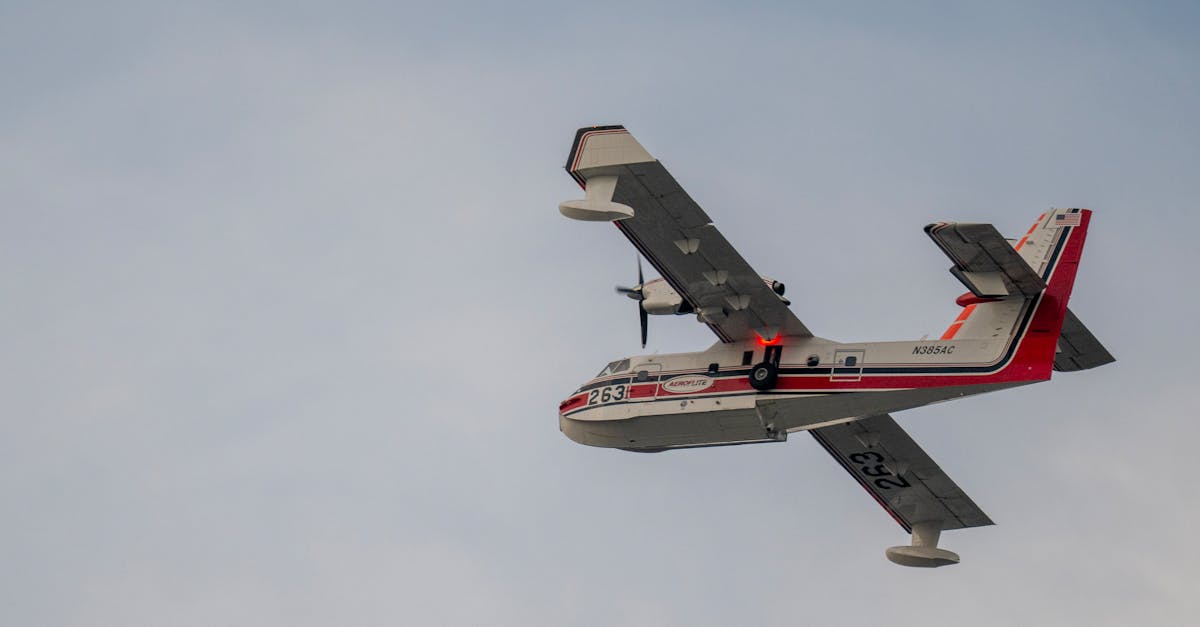
As U.S. forces scramble to locate an American pilot whose aircraft was downed over Iran, retired pilot Houston Cantwell has revealed crucial steps to follow for survival after parachuting into hostile territory. Currently working at the Mitchell Institute for Aerospace Studies, Cantwell stressed that situational awareness during descent is key to survival.
In an interview with AFP, Cantwell stated, "It feels like you’re saying: Oh my God, I was in a fighter jet just a minute ago, and a missile exploded just four meters from my head." He explained that the pilot must immediately apply what they have trained for previously to evade the enemy and resist capture, known by the acronym SERE, from the moment they jump.
Details of the Incident
Reports indicate that an F-15E Strike Eagle crashed in southwestern Iran, with one pilot rescued by U.S. special forces, while the fate of the other pilot remains unknown. In this context, Cantwell pointed out the importance of intelligence that can be gathered during descent, as visibility is better for determining directions.
Cantwell warned that landing, even with a parachute, can lead to serious injuries, citing stories of survivors from the Vietnam War who suffered severe injuries from jumping out of aircraft. Therefore, the pilot must assess their condition after landing and check if they are able to move.
Background & Context
Search and rescue missions are vital operations in modern warfare, requiring high coordination between air and ground forces. The United States has experienced numerous similar incidents in conflict zones, reflecting the challenges it faces in ensuring the safety of its pilots.
Historically, there have been many cases of pilots downed in hostile territories, leading to the development of new survival and communication strategies with rescue teams. These strategies include the use of special equipment that helps pilots survive until they are rescued.
Impact & Consequences
Highlighting the experiences of retired pilots like Cantwell underscores the importance of training and preparedness in facing risks. These tips may also contribute to improving search and rescue strategies, thereby increasing the chances of rescuing pilots in the future.
Modern military operations require integration between technology and training, as the success of missions relies on pilots' ability to make quick and accurate decisions under difficult circumstances. This emphasizes the importance of investing in military training and equipment development.
Regional Significance
The Arab region is significantly affected by U.S. military operations, with Iran remaining one of the foremost challenges. Incidents like the downing of aircraft reflect ongoing tensions in the region, necessitating Arab countries to closely monitor developments.
In this context, Arab nations must enhance their defensive capabilities and collaborate with allies to ensure security and stability in the region. Understanding survival and rescue strategies can positively impact the armed forces in Arab countries.
In conclusion, the safety of pilots in conflict zones remains a pivotal issue that requires ongoing attention and sustainable development in search and rescue strategies.