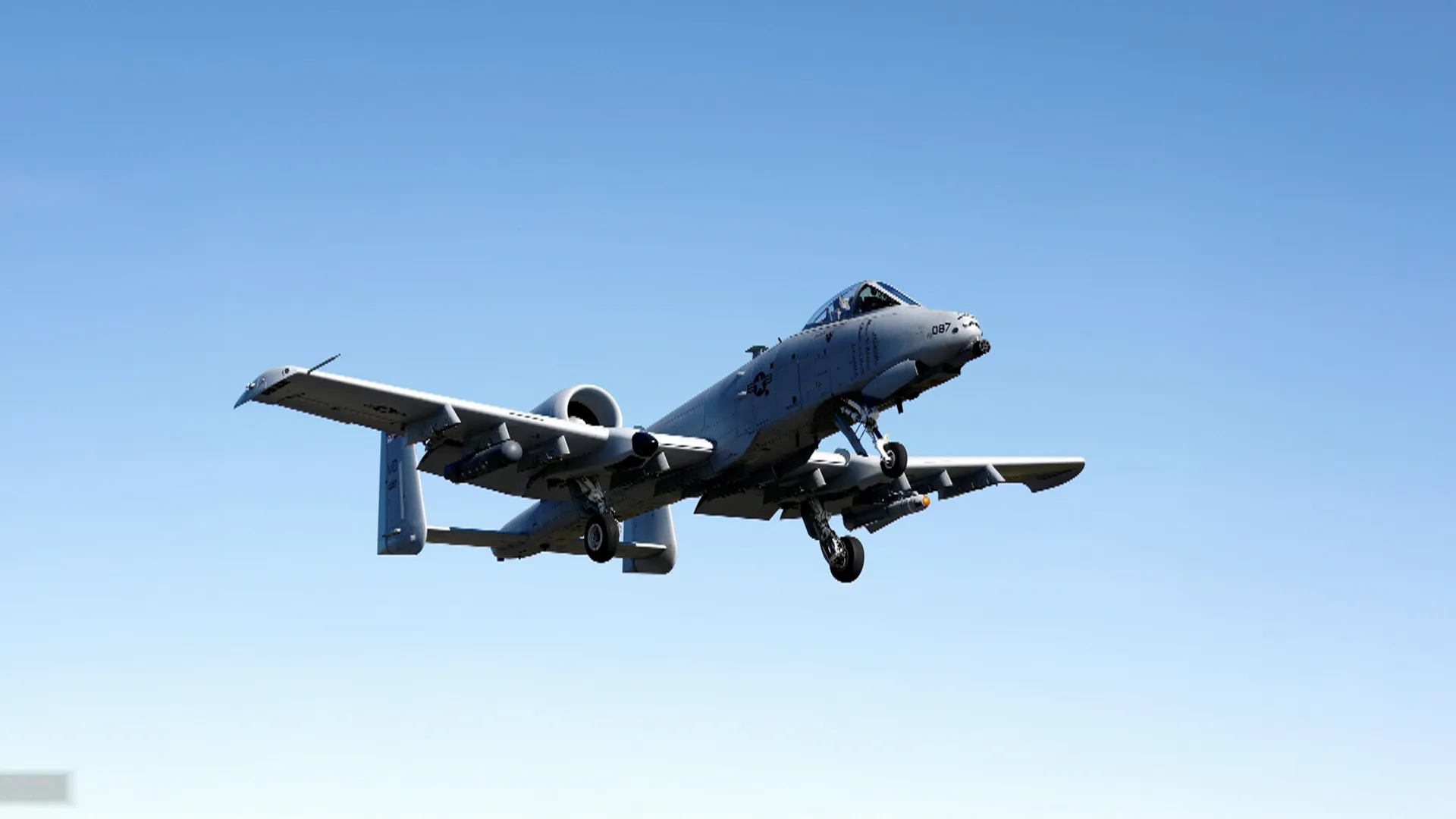
Military tensions are escalating between the United States and Iran after the downing of an F-15 fighter jet, placing the search for the missing pilot at the center of events amid reciprocal missile strikes. The incident has not only resulted in military loss but has also added new complexities to search and rescue operations in a hostile environment, coinciding with Iranian missile strikes targeting deep within Israel.
According to media reports, including CNN, the United States has suffered significant aerial losses since the beginning of the conflict, with seven aircraft targeted and several helicopters damaged during rescue attempts. These figures reflect the high level of danger surrounding these sensitive missions, complicating the search for the pilot.
Details of the Incident
In Tel Aviv, live footage showed the aftermath of Iranian missile strikes that targeted multiple residential areas, as rescue teams combed through over ten crash sites. These strikes resulted in injuries to four individuals and extensive material damage, particularly to vehicles and infrastructure.
Military experts believe that these strikes reflect a shift in the nature of the threat, with the potential use of cluster or multiple warhead missiles, making interception increasingly difficult even with advanced air defense systems. Brigadier General Hassan Jouni, a military expert, noted that what is happening is a systematic radar saturation, resulting from multiple missile launch sources from Iran, southern Lebanon, and Yemen, which confuses air defense systems and reduces their effectiveness.
Background & Context
These events coincide with escalating military tensions between the United States and Iran, as American forces in the region face increasing pressure. The search for the missing pilot activates the Combat Search and Rescue (CSAR) protocol, an integrated system used immediately after an aircraft crashes in hostile territory.
This protocol aims to achieve two main objectives: rescuing the pilot and avoiding additional losses. Brigadier General Jouni emphasized that these operations involve high risks, and forces may have to make quick decisions between rescuing the pilot or avoiding further attacks.
Impact & Consequences
Retired American General Houston Cantwell provided a detailed account of the initial moments faced by the pilot after parachuting, explaining that survival depends on the ability to hide and remain undetected. Pilots undergo specialized training focusing on survival, evasion, resistance, and escape, which increases their chances of survival.
After landing, the priority is to assess physical condition, then determine location and communicate with command, while striving to avoid capture for as long as possible, especially in harsh environments like deserts.
Regional Significance
The confrontation between the United States and Iran extends beyond just rescuing the pilot; it involves a frantic race to control the wreckage of the aircraft, which contains advanced military technologies. In some cases, the wreckage may be targeted and destroyed to prevent it from falling into the hands of the opposing side.
These developments reveal a highly complex military landscape, where aerial operations intertwine with missile strikes, making each downing incident a battle in itself between rescue attempts and the opposing side's efforts to exploit the wreckage and information.