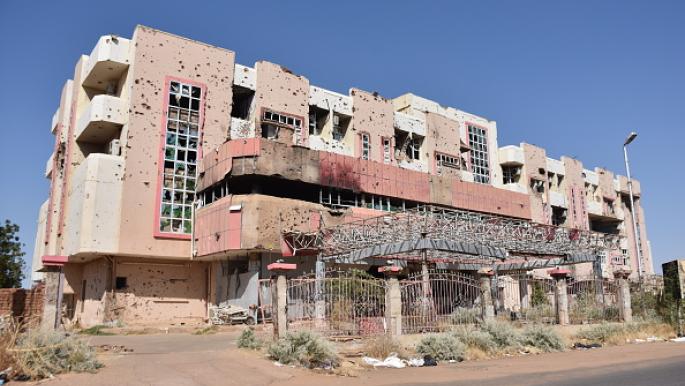
Doctors Without Borders condemned the attack carried out by the Rapid Support Forces on a hospital in Sudan, which resulted in the deaths of ten individuals. The drone strike, which occurred yesterday, comes at a time when violence in the country is escalating, raising concerns about the deteriorating humanitarian situation.
This incident is one of many attacks targeting healthcare facilities in Sudan, which are under increasing pressure due to the ongoing conflict. The organization confirmed that such attacks represent a blatant violation of international humanitarian laws, which prohibit targeting civilians and medical facilities.
Details of the Attack
In the details of the attack, reports indicated that the Rapid Support Forces targeted the hospital using a drone, leading to the deaths of ten people and injuring others. The attack took place in an area already suffering from a severe shortage of healthcare due to the ongoing conflict between government forces and the Rapid Support Forces.
This incident is part of a growing pattern of violence targeting civilians in Sudan, where hospitals and healthcare facilities are frequently attacked. Doctors Without Borders expressed deep concern over this phenomenon, emphasizing the need to protect civilians and medical facilities during times of conflict.
Background & Context
In recent years, Sudan has witnessed an escalation in armed conflicts, particularly following the outbreak of fighting between government forces and the Rapid Support Forces. This conflict, which began in 2019, has exacerbated the humanitarian situation in the country, with millions suffering from food and healthcare shortages.
Historically, Sudan has faced multiple internal conflicts, but the current situation is considered one of the worst humanitarian crises the country has experienced. The ongoing conflict has led to the displacement of large numbers of people, increasing pressure on limited resources in affected areas.
Impact & Consequences
The attack on the hospital reflects the significant challenges faced by humanitarian organizations in Sudan. As violence increases, it becomes increasingly difficult to provide necessary humanitarian aid to affected civilians. Additionally, targeting healthcare facilities increases the suffering of the population, as patients struggle to access the care they need.
Calls from humanitarian organizations and the international community are growing to stop the violence and protect civilians. Attacks on hospitals and healthcare facilities are considered violations of international laws, and the international community must take urgent action to ensure the safety of civilians.
Regional Significance
The situation in Sudan serves as an indicator of the security and humanitarian challenges faced by many Arab countries. Armed conflicts in Sudan could affect regional stability, potentially leading to an influx of refugees and increased tensions in neighboring countries.
Moreover, the situation in Sudan highlights the urgent need for greater international cooperation to address humanitarian crises in the region. Coordinated efforts are required to ensure that necessary aid reaches those affected by conflicts, and to protect civilians and healthcare facilities.
In conclusion, the attack on the hospital in Sudan is a stark reminder of the fragility of the humanitarian situation in the country. The international community must act swiftly to protect civilians and ensure that such tragic incidents do not recur.