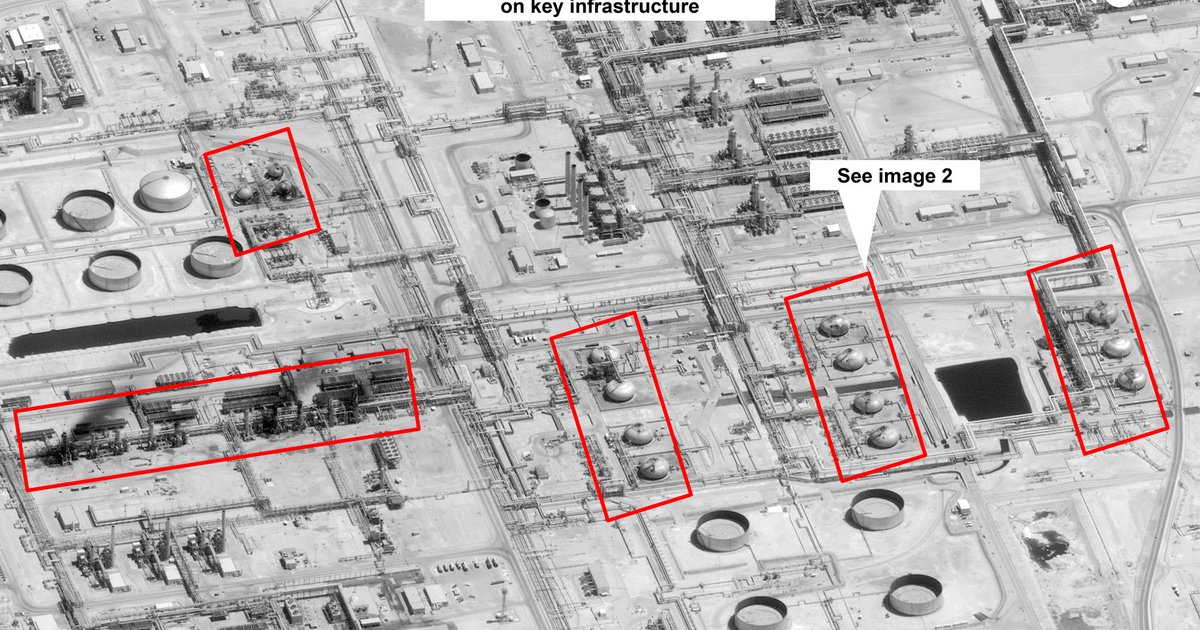
A Saudi oil pipeline extending to the Red Sea was attacked by a drone on Wednesday afternoon, causing widespread concern regarding the security of vital facilities in the kingdom. The attack, for which no group has claimed responsibility yet, comes at a sensitive time marked by increasing regional tensions.
This pipeline is one of the most important transportation lines for Saudi oil, contributing to the export of large quantities of oil to global markets. The attack could directly impact oil supplies and increase price volatility in international markets.
Details of the Incident
The attack occurred late in the afternoon, targeting a section of the pipeline that transports oil from fields in the Eastern Province to export ports on the Red Sea. No human injuries have been reported, but potential damage to the infrastructure is still being assessed.
This incident is part of a series of attacks that have targeted oil facilities in the region, raising concerns about the kingdom's ability to protect its vital resources. Initial images showed clear damage at the targeted site, heightening fears regarding the continuity of export operations.
Background & Context
Historically, Saudi Arabia has witnessed numerous attacks on its oil facilities, especially in recent years. These attacks are often linked to regional tensions, including the conflict in Yemen and threats from armed groups. In 2019, Saudi oil facilities were attacked by drones, leading to a temporary reduction in production.
Saudi Arabia is the largest oil exporter in the world and plays a pivotal role in stabilizing global oil markets. Any threat to supply lines could lead to price increases and affect the global economy as a whole.
Impact & Consequences
The attack on the pipeline may escalate tensions in the region and reflects the security challenges faced by the kingdom. The Saudi government is likely to implement heightened security measures to protect its oil facilities, which could impact business operations in the area.
This attack may also negatively affect global oil prices, as it could raise concerns about supply shortages. If attacks continue, foreign investments in the Saudi oil sector may be impacted, leading to broader economic repercussions.
Regional Significance
The attack on the Saudi pipeline highlights the increasing tensions in the Middle East. Neighboring countries, including the United Arab Emirates and Kuwait, may feel anxious about the implications of this attack on their national security. Furthermore, any escalation in attacks could provoke military responses from the kingdom, complicating the regional situation.
Ultimately, oil security in the region remains a vital issue, as many Arab nations depend on stable oil prices for economic growth. Therefore, any threat to this sector could affect Arab interests more broadly.