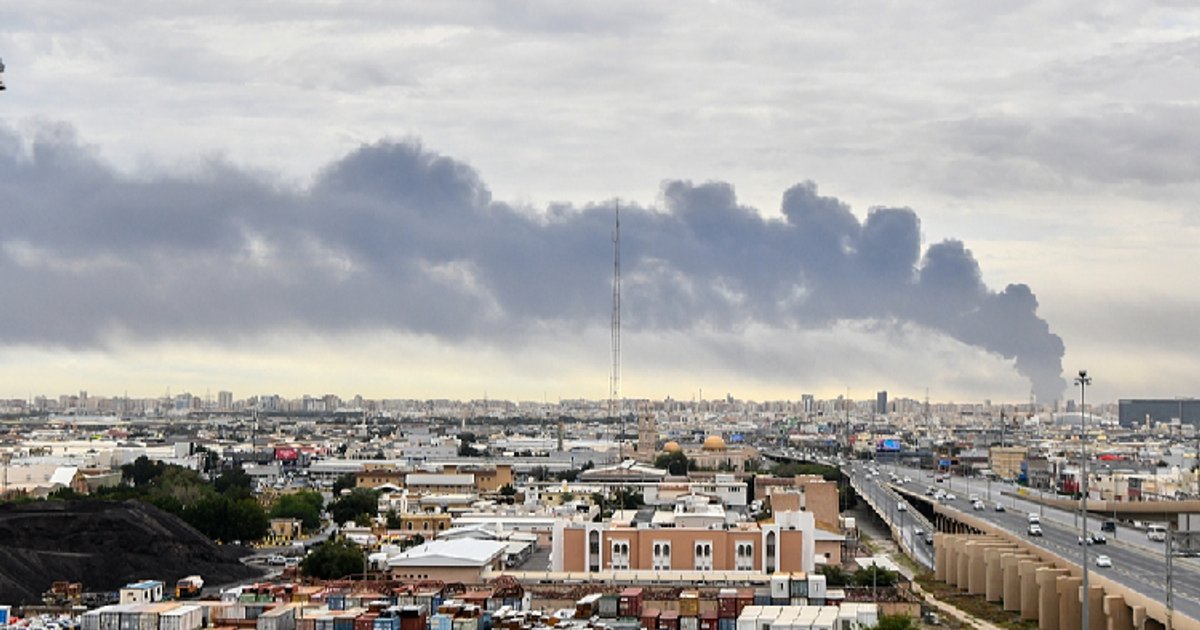
Kuwait International Airport was hit by multiple drone attacks, resulting in significant damage to the airport's radar system, according to civil aviation authorities in the country. The attacks occurred on Saturday, raising concerns about the security of the airport.
The attacks targeting the airport come at a sensitive time, as Kuwait International Airport is one of the main gateways to the country, receiving millions of travelers annually. Kuwaiti authorities confirmed that the attacks did not affect flight operations, but the damage to the radar system could impact air operations in the near future.
Details of the Incident
Reports indicate that the attacks were carried out using drones, reflecting the increasing use of this technology in modern conflicts. Civil aviation authorities have not yet disclosed the party responsible for these attacks, but investigations are underway to determine their source. Security measures at the airport have also been enhanced to ensure the safety of travelers.
These attacks are part of a growing pattern of assaults targeting critical infrastructure in the region, raising concerns about the stability and security of Gulf countries. Attacks on airports and vital facilities have become more common in recent years, necessitating an effective response from the relevant authorities.
Background & Context
Historically, the Gulf region has witnessed numerous political and security tensions, especially following the escalation of conflicts in recent years. Kuwait, which enjoys relative stability compared to its neighbors, has not been completely immune to these threats. Attacks on airports represent a new precedent in Kuwait's history, as the country has not experienced such attacks in the recent past.
The increasing use of drones in armed conflicts reflects the evolution of military technology, as these aircraft have become effective tools for executing precise attacks at low costs. This situation requires countries to enhance their defensive capabilities to counter these threats.
Impact & Consequences
The attacks on Kuwait International Airport could lead to negative repercussions for tourism and the local economy, as many sectors rely on air traffic. If these attacks continue, Kuwait's reputation as a commercial and tourist hub in the region may be affected.
Furthermore, these attacks could escalate regional tensions, as neighboring countries may take retaliatory actions or bolster their military presence in the area. This could lead to an escalation of conflicts and increase instability in the Gulf.
Regional Significance
These attacks serve as a wake-up call for other Arab countries, reflecting the increasing security challenges facing the region. Arab nations need to enhance security cooperation and information sharing to effectively address these threats.
Additionally, attacks on critical infrastructure such as airports could impact trade and tourism flows in the region, necessitating a swift response from governments to ensure the safety of their citizens and visitors.
In conclusion, the attacks on Kuwait International Airport reflect the growing security challenges facing the region, requiring Arab countries to strengthen their defensive capabilities and cooperate to effectively confront these threats.