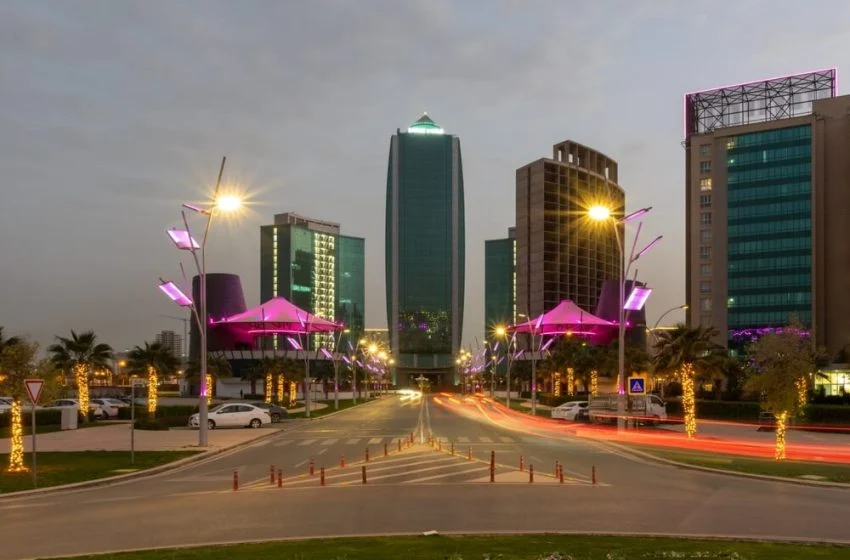
Erbil, the capital of the Kurdistan Region of Iraq, experienced a series of drone attacks this morning, targeting an oil warehouse and leading to its complete destruction. Local authorities documented more than 20 attacks by drones in just one day, alarming both residents and officials.
In a statement, Erbil Governor Umid Khoshnav confirmed that security forces were able to respond to these attacks, indicating that the situation is under control. He clarified that while there were no human casualties, the attacks caused significant material damage, reflecting a notable escalation in military activity in the region.
Details of the Incident
The attacks on Erbil come at a sensitive time, as the region is experiencing increasing tensions. The drones used in these attacks reflect an evolution in military tactics employed by armed groups, complicating the security situation in the region. The oil warehouse was directly targeted, resulting in a fire, while firefighting teams attempted to control the blaze.
These attacks are part of a series of operations targeting critical infrastructure in the region, raising fears of escalating violence. There has been increased drone activity in recent days, suggesting that these operations may be part of a broader strategy.
Background & Context
Historically, the Kurdistan Region of Iraq has faced ongoing tensions due to political and military conflicts among various factions. In recent years, these tensions have intensified with the rise of military activities by armed groups, leading to a deterioration of the security situation. Erbil, considered an economic and cultural hub, has been the target of several attacks in the past, but this new escalation comes at a critical time as the region seeks stability.
It is worth noting that the Kurdistan Region enjoys autonomy, yet it faces significant challenges related to security and the economy. Recent attacks could impact investments and tourism in the area, increasing pressure on the local government.
Impact & Consequences
The drone attacks on Erbil could have negative repercussions on security and stability in the region. These operations are expected to heighten tensions between local authorities and armed groups, potentially leading to greater military escalation. Additionally, these attacks may affect relations between the Kurdistan Region and the central government in Baghdad, as they could exacerbate disputes over security management.
Moreover, the security escalation could impact the daily lives of residents, leading to increased security measures and restrictions on movement, which would adversely affect economic and social activities.
Regional Significance
The events in the Kurdistan Region of Iraq are part of the larger security picture in the Arab region. The rise in violence in Iraq could affect neighboring countries, potentially leading to an influx of refugees and increased border tensions. These events may also raise concerns for other Arab countries facing similar security challenges.
Under these circumstances, it becomes essential for Arab nations to collaborate in addressing security challenges and work towards enhancing stability in the region. The attacks on Erbil remind everyone that security remains a primary concern in many Arab countries, and joint efforts are necessary to maintain peace and stability.
In conclusion, the situation in Erbil remains under observation, as everyone awaits developments regarding the security situation in the region and its impact on the area as a whole.