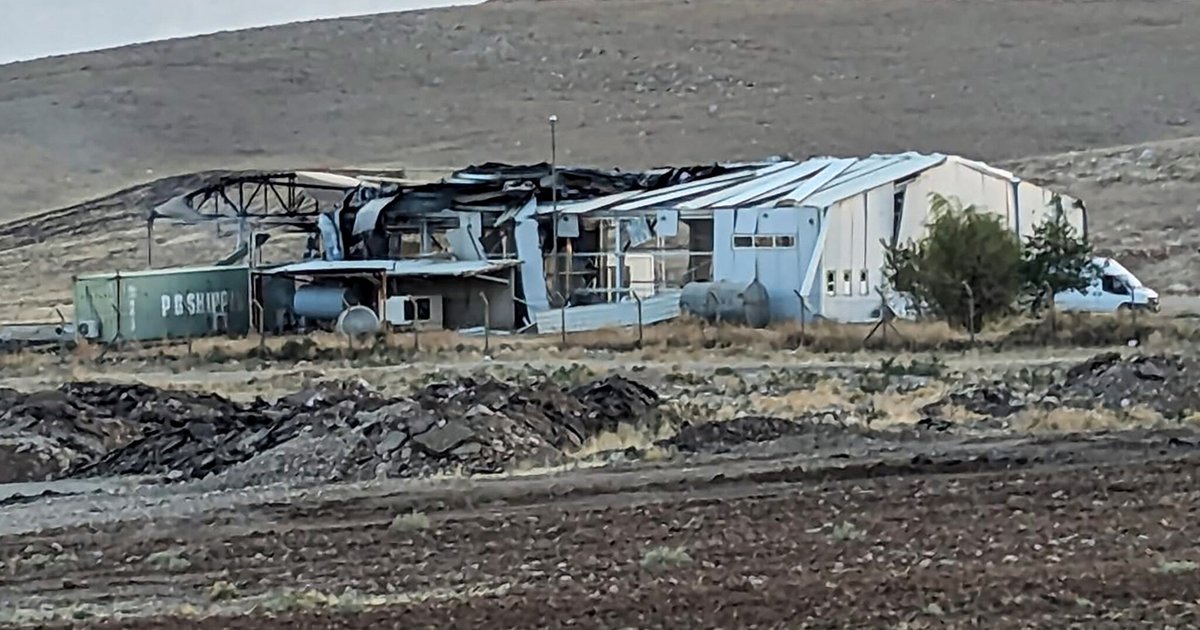
Four drones targeted the Bazrakan oil field located in southern Iraq, near the Iranian border, causing substantial damage to an oil storage facility. Despite the material damage, no human injuries were reported, raising questions about the true motives behind this attack.
This incident is part of a series of attacks aimed at oil facilities in Iraq, which have noticeably increased in recent times. Drone attacks have become a common method used by armed groups to destabilize the region.
Details of the Incident
The attack on the Bazrakan oil field occurred late last night, where the drones managed to reach the facility without being intercepted by air defense systems. The oil field is considered one of the vital fields in Iraq, significantly contributing to oil production and export.
It is worth noting that the Bazrakan field is part of a vast network of oil fields that extend across southern Iraq, which are considered major sources of government revenue. Attacks on these facilities could directly impact the Iraqi economy, which heavily relies on oil revenues.
Background & Context
Historically, Iraq has witnessed numerous attacks on its oil facilities, especially amid fluctuating security conditions. Since 2003, the country has faced several attacks from armed groups, including ISIS, which targeted oil infrastructure as part of its strategy to create chaos.
In recent years, tensions between Iraq and Iran have escalated, leading to an increase in attacks on oil facilities. These attacks are believed to be linked to the broader regional conflict among major powers in the area, where some groups seek to send political messages by targeting critical infrastructure.
Impact & Consequences
Attacks on oil fields in Iraq not only affect the local economy but also have regional repercussions. As attacks increase, the stability of oil prices in global markets may be affected, potentially leading to fluctuations in the global economy.
Moreover, these attacks could heighten tensions between Iraq and its neighbors, particularly Iran, which may contribute to escalating conflicts in the region. The recurrence of such attacks may prompt the Iraqi government to implement stricter security measures to protect oil facilities.
Regional Significance
The Middle East is one of the most sensitive regions concerning attacks on oil facilities. Iraq, as one of the largest oil producers in the world, plays a vital role in stabilizing the global oil market. Any threat to this stability can impact other Arab countries that rely on oil as a primary source of revenue.
In light of these circumstances, Arab countries must enhance security cooperation among themselves to address common challenges. Furthermore, bolstering investments in security infrastructure may be necessary to ensure the protection of vital facilities.
In conclusion, attacks on oil fields in Iraq remain a complex issue that requires a comprehensive response from the Iraqi government and the international community. Security and stability in Iraq directly affect regional security, necessitating effective measures to protect these vital facilities.