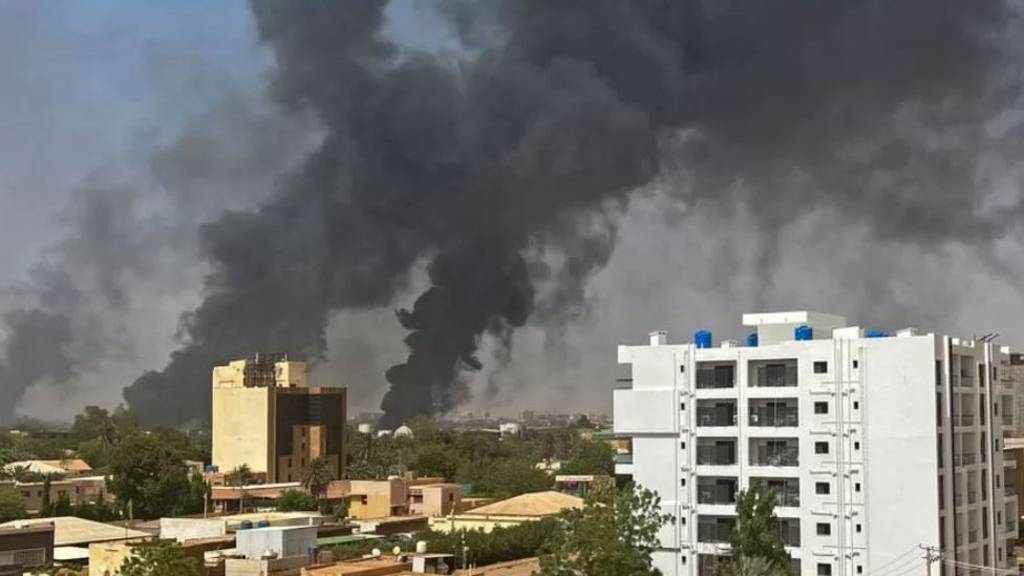
At least 28 civilians have been killed due to drone strikes targeting the states of North Darfur and North Kordofan in Sudan, according to medical sources on Thursday. One of the strikes targeted a market in the city of Saraf Omra in North Darfur, resulting in the deaths of 22 people, including an infant, and injuring 17 others, as reported by a health worker at the local hospital.
These strikes come at a time when the country is witnessing an escalation in the conflict between the Sudanese Armed Forces and the Rapid Support Forces, increasing the suffering of civilians living in conflict areas. Reports indicate that aerial bombardments have significantly increased recently, exacerbating the humanitarian situation in the country.
Details of the Incident
On Wednesday, one of the airstrikes targeted a crowded market in the city of Saraf Omra, where civilians were shopping. This strike led to the death of 22 individuals, including an infant, and injured 17 others with varying degrees of injuries. Medical sources also reported that a second strike targeted another area in North Kordofan, resulting in the deaths of 6 more civilians.
These incidents are part of the escalating violence in Sudan, where clashes continue between government forces and the Rapid Support Forces. Civilians are suffering the consequences of these conflicts, as they are subjected to airstrikes and indiscriminate shelling, increasing the number of casualties.
Background & Context
Since 2019, Sudan has witnessed significant political transformations following the ousting of President Omar al-Bashir, but the country has yet to stabilize. The conflict between the armed forces and the Rapid Support Forces has intensified, leading to widespread violence in many areas, particularly in Darfur and Kordofan. These regions have a long history of armed conflicts, making civilians more vulnerable.
Aerial bombardments are part of the government's strategy to confront the Rapid Support Forces, but this strategy comes at a high cost to civilians. Many are suffering from the loss of homes and essential resources, exacerbating the humanitarian conditions.
Impact & Consequences
These incidents highlight the urgent need to protect civilians in conflict areas. They also underscore the importance of international community intervention to protect human rights and provide humanitarian assistance to those affected. Airstrikes targeting civilians can worsen the humanitarian situation, necessitating an urgent response from humanitarian organizations.
Moreover, the continuation of violence may lead to mass displacement of populations, increasing the burden on neighboring countries and affecting regional stability. The Sudanese government needs to find peaceful solutions to the conflict instead of relying on military force.
Regional Significance
The situation in Sudan is indicative of the challenges faced by many Arab countries in terms of security and stability. Armed conflicts in Sudan could affect neighboring countries, potentially leading to an influx of refugees and increased border tensions. Additionally, the humanitarian crises in Sudan may require a response from Arab nations and the international community.
In light of these circumstances, Arab countries must unite to address common challenges and enhance cooperation in the fields of security and development. Stability in Sudan is vital for achieving peace in the region.
In conclusion, the killing of 28 civilians in drone strikes reflects the tragic situation in Sudan. An urgent response from the international community is required to protect civilians and provide humanitarian assistance, alongside genuine efforts towards achieving peace and stability in the country.