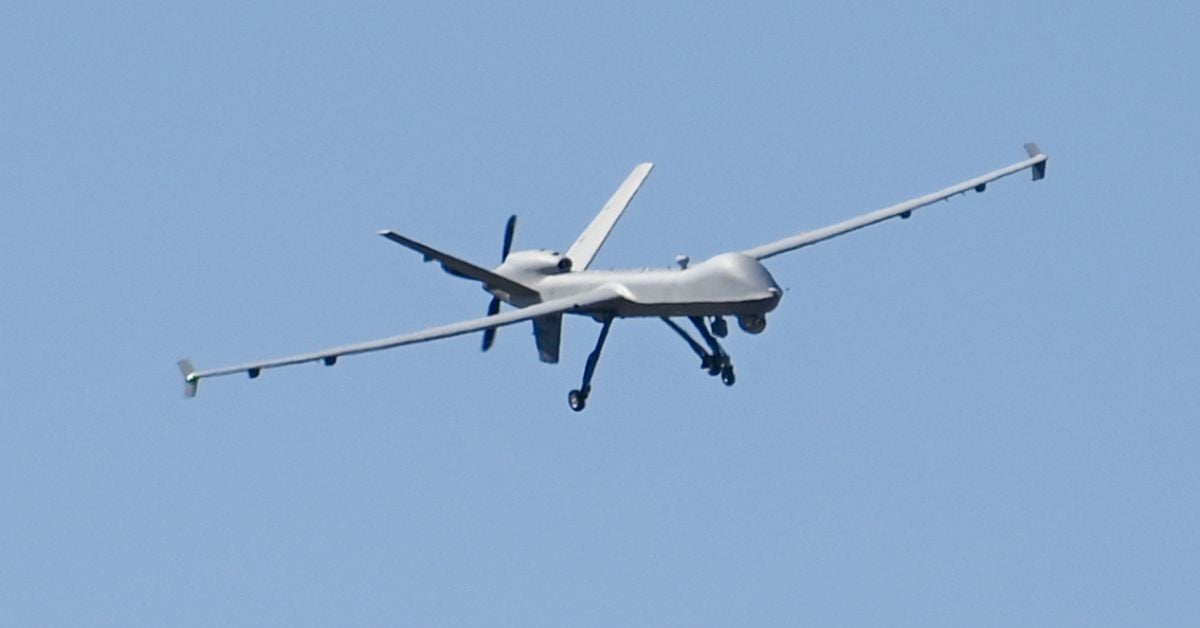
Drone strikes have targeted electricity facilities in Kuwait, raising concerns about the country's energy and water supply. These attacks come at a critical time as Kuwait heavily relies on these facilities to meet its basic needs.
These strikes serve as a clear warning to Kuwaiti authorities, as any damage to these facilities could lead to power and water outages, directly impacting citizens' lives and the local economy.
Details of the Incident
Local sources reported several drone strikes targeting electricity facilities in vital areas. These attacks resulted in significant damage to some facilities, leading to partial disruptions in energy supplies.
Kuwaiti authorities confirmed they are assessing the damage and taking necessary measures to ensure the safety of these facilities. Security measures around vital installations have also been enhanced to prevent the recurrence of such attacks.
Background & Context
These attacks occur amidst rising regional tensions, as the area has recently witnessed an escalation in attacks on critical infrastructure. Kuwait, which heavily relies on electricity for water desalination and meeting the needs of its population, faces significant challenges under these circumstances.
Historically, Kuwait has been vulnerable to such attacks, especially during political and security crises in the region. These events have impacted the stability and security of the country.
Impact & Consequences
If these attacks continue, they could lead to prolonged disruptions in energy supplies, affecting all aspects of daily life in Kuwait. Additionally, any disruption in water supplies could result in a genuine humanitarian crisis.
These attacks are also a political message, reflecting the increasing tensions in the region, and could lead to further escalation in the conflict between the involved parties.
Regional Significance
These events affect regional stability, as any escalation in Kuwait could have repercussions for neighboring countries. Many nations rely on Kuwait as a source of energy, and any disruption in its supplies could impact regional markets.
Ultimately, the current situation requires Arab countries to enhance security and economic cooperation to ensure the protection of critical infrastructure from future threats.