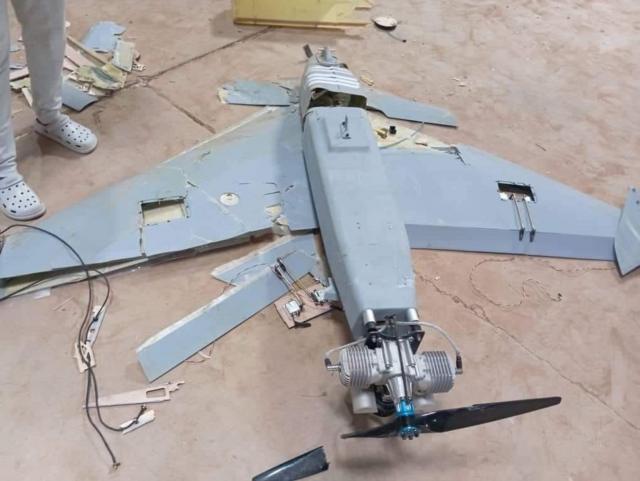
Sudan has witnessed a significant escalation in the ongoing conflict between the Sudanese army and the Rapid Support Forces, with drone attacks resulting in the deaths of dozens of civilians in the South Kordofan and White Nile regions. These strikes highlight the worsening security and humanitarian conditions in the country, raising concerns in both local and international circles.
Local reports have documented several bloody incidents resulting from drone strikes. Médecins Sans Frontières has revealed that these attacks are increasing, indicating that the devastating impact goes beyond just human losses, affecting public service infrastructure and healthcare facilities already under pressure from the ongoing political crisis.
The context of this escalation is rooted in rising tensions between the warring factions in Sudan. The country entered a phase of political chaos following the ousting of former President Omar al-Bashir in 2019, which led to a political vacuum and deep internal conflicts, particularly among military components. The Rapid Support Forces, initially formed to combat rebellion in Darfur, have now become a central player in the power struggles.
The ramifications of these clashes are not only local but also have implications for regional stability. As a neighboring country to several states like Egypt and Libya, Sudan plays a crucial role in the region. The unrest there increases the risk of chaos spilling over into neighboring areas, threatening regional security and demanding international attention.
Similarly, other countries in the region have suffered from comparable conflicts, resulting in waves of displacement and refugees. The tragedy of the Sudanese people could serve as a warning for any international efforts aimed at achieving stability and development in conflict-affected countries.
It is noted that the situation for civilians in Sudan has become extremely dire; as violence escalates, the human cost increases, with human rights organizations warning that the catastrophic effects of these attacks could exacerbate the situations in regions already suffering from severe resource and service shortages. If this escalation continues, the situation is expected to erupt further, with warnings of a potential humanitarian crisis.
In summary, the plight faced by civilians in Sudan underscores the urgent need for international intervention to put an end to this conflict and prevent a repeat of the bitter experiences seen by other peoples in the region. There must be an immediate response that considers the humanitarian dimensions of this increasingly volatile conflict.