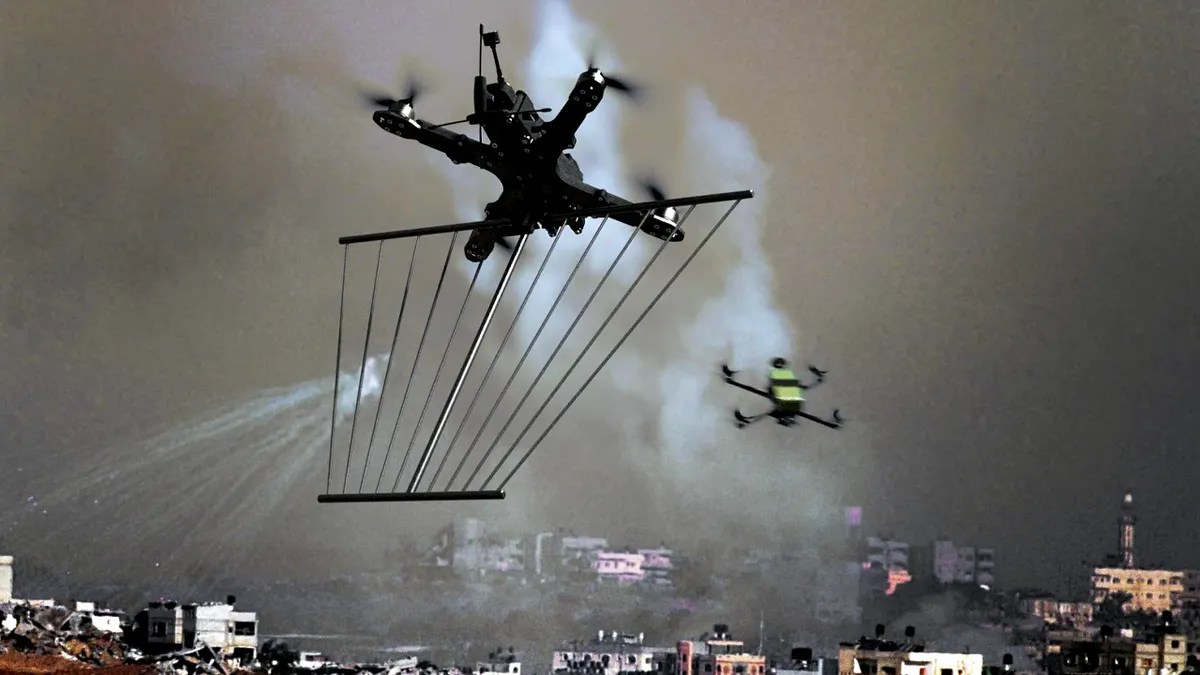
Residents of South Kordofan, Sudan, are increasingly fearful due to the use of drones in the ongoing conflict between the Sudanese army and Rapid Support Forces, threatening their daily lives. Merchant Hamid Hamidan constantly watches the sky in the city of Dalang, where drones have become a symbol of terror and panic among civilians.
Hamidan (53 years old) stated in a text message to AFP: "We live in a state of constant anxiety; whenever we hear the sound of a plane, we fear it may have been sent to target us or our areas." This state of tension reflects the deteriorating situation in the region, where fighting between the two sides intensifies, exacerbating the suffering of the civilian population.
Details of the Ongoing Conflict
Clashes in South Kordofan have renewed since the beginning of the year, with the Sudanese army achieving some gains in January. However, this has not alleviated the suffering of the residents. Drones, increasingly used by the warring factions, are considered an effective weapon in modern conflicts, yet they pose a direct threat to civilians.
Reports indicate that drones have resulted in numerous civilian casualties, prompting residents to seek safe shelters. In the absence of security, many are forced to leave their homes in search of safety, increasing the number of displaced persons in the region.
Background & Context
Historically, South Kordofan has witnessed multiple armed conflicts, serving as a battleground between the Sudanese government and armed groups for years. The current conflict is part of a broader struggle between the Sudanese army and the Rapid Support Forces, originally formed to counter rebellion in Darfur, but which has expanded to include other areas like Kordofan.
Drones are part of modern warfare strategies, used for precision strikes. However, their use in residential areas raises significant concerns regarding human rights and civilian protection, necessitating international intervention to pressure the warring parties to cease escalation.
Impact & Consequences
These conditions affect the daily lives of residents, who face multiple challenges including food and water shortages, along with the constant fear of attacks. The deteriorating security situation also hampers humanitarian aid access, exacerbating the humanitarian crises in the region.
The situation in Kordofan exemplifies how armed conflicts impact civilians, demonstrating how modern military technology can worsen humanitarian crises. In the absence of political solutions, civilians remain the primary victims of these conflicts.
Regional Significance
The events in Sudan are part of a broader landscape of conflicts in the Arab region, where tensions are rising in several countries. The use of drones in armed conflicts raises questions about the future of wars in the Arab world and how they may affect the stability of neighboring countries.
These events highlight the urgent need to enhance international efforts to resolve conflicts in the region and ensure the protection of civilians. The ongoing conflict in Sudan could lead to broader repercussions, including an influx of refugees and increased regional tensions.
In conclusion, the situation in Kordofan starkly illustrates the suffering endured by civilians amid armed conflicts, calling for urgent action from the international community to protect human rights and ensure security and peace in the region.