A new study has shown that the use of drones in the Imam Turki Reserve, located in Saudi Arabia, has significantly contributed to reducing carbon emissions by up to 66%. This environmental achievement reflects the growing trend towards utilizing modern technology in protecting the environment and achieving sustainable development.
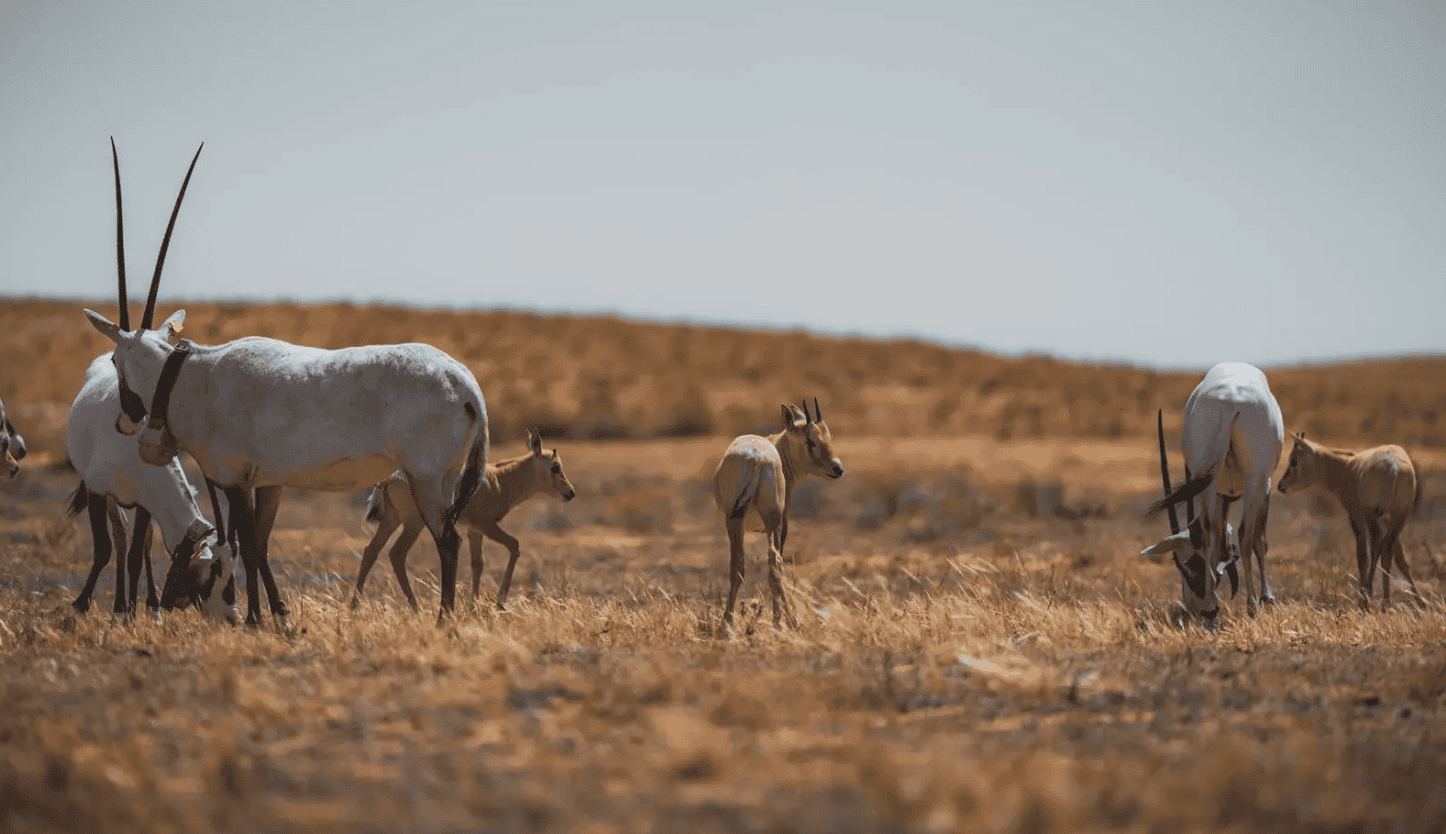
The Imam Turki Reserve is considered one of the most important natural reserves in the Kingdom, housing rich biodiversity and serving as a habitat for many rare species. Drones have been employed to monitor wildlife and conduct environmental studies, thereby reducing the need for traditional transportation methods that contribute to carbon emissions.
Details of the Initiative
These results come as part of Saudi Arabia's efforts to achieve its environmental goals, aiming to reduce carbon emissions and improve air quality. This project was implemented in collaboration with experts in the fields of environment and technology, utilizing drones to collect and analyze data effectively.
Modern technologies such as drones provide innovative solutions for environmental monitoring, as they can access remote areas that are difficult to reach by traditional means. This enhances researchers' ability to gather accurate information about ecosystems and biodiversity.
Background & Context
Climate change is one of the most pressing challenges facing the world today, as carbon emissions impact both environmental and human health. In this context, many countries are striving to take effective steps to mitigate these emissions, including the use of modern technology.
Saudi Arabia, as part of its Vision 2030, focuses on achieving sustainable development through multiple strategies that include environmental conservation. The Kingdom has launched several initiatives aimed at achieving this goal, including renewable energy projects and increasing green spaces.
Impact & Consequences
Reducing carbon emissions in the Imam Turki Reserve can have a positive impact on the local environment, contributing to improved air quality and biodiversity conservation. This achievement may also encourage other countries to adopt similar technologies in their environmental protection efforts.
Furthermore, this experience could serve as a model for other regions around the world, where drones can be used to monitor natural environments and contribute to achieving sustainable development goals.
Regional Significance
Arab countries are among the most affected by climate change, facing significant challenges related to water resources and agriculture. The use of modern technology such as drones can help improve the management of natural resources in these countries.
This step also reflects the commitment of Arab nations to work towards achieving sustainable development goals, enhancing regional and international cooperation in environmental protection.
In conclusion, the use of drones in the Imam Turki Reserve represents an important step towards achieving environmental goals and reflects the trend towards using modern technology to address environmental challenges. This experience may open new horizons for other countries in the region to achieve sustainable development.