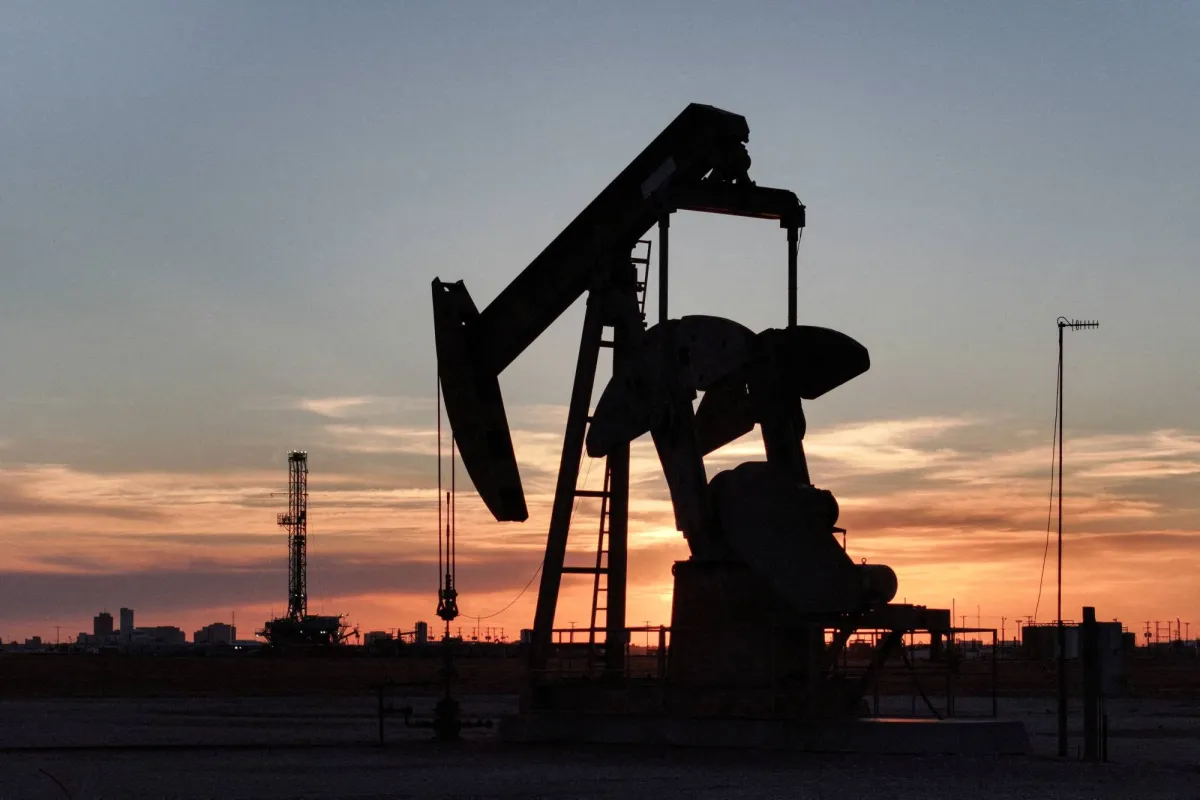
Brent crude futures saw a significant drop on Wednesday, with prices decreasing by 4.22% to $99.75 per barrel. This decline follows a series of previous gains, reflecting a state of instability in global markets.
Oil prices experienced sharp fluctuations, with Brent futures and U.S. crude futures dropping by more than $3 during trading sessions. This decline coincides with a notable rise in Asian stocks, driven by renewed hopes for an end to the Iranian war, which has entered its fifth week.
Details of the Event
In this context, the KOSPI index in South Korea led the gains, rising by 6.4% to reach 5374.82 points in early trading. The Nikkei 225 index in Japan also rose by 4%, closing at 53128.33 points. These gains were supported by statements from U.S. President Donald Trump regarding the possibility of ending military operations against Iran within two to three weeks.
The White House's announcement of an anticipated speech from Trump also contributed to the upward movement of the indices, with the Hang Seng index in Hong Kong rising by 1.9%, and the Shanghai index increasing by 1.4%. The Taiwan Weighted Index saw a jump of 4.3%.
Background & Context
Despite the gains in stocks, markets remain cautiously monitoring the disturbances in the Strait of Hormuz, which previously contributed to rising energy prices, with Brent crude reaching $105.48 per barrel. Investors in Asia hope that the impending de-escalation will alleviate global inflationary pressures, especially after gasoline prices in the United States surpassed $4 per gallon.
In related news, the European Union's energy commissioner, Dan Jørgensen, warned that rising oil and gas prices in Europe due to the ongoing war with Iran will not return to normal levels anytime soon, even if peace is declared tomorrow. He explained that there are increasing pressures on diesel and jet fuel supplies, which have led to rising electricity prices.
Impact & Consequences
Attention is focused on how these developments will affect global markets, with Jørgensen noting that the EU's bill for imported fossil fuels has increased by €14 billion since the war began. He emphasized the need for coordinated actions among all members to avoid national responses that could negatively impact markets.
At the same time, gold prices have risen slightly, with spot gold trading at $4685.79 per ounce, supported by a decline in the U.S. dollar. This increase comes amid expectations that easing tensions in the conflict will alleviate inflationary pressures.
Regional Significance
The Arab region is significantly affected by fluctuations in oil prices, as these prices are a vital indicator for Arab economies that heavily rely on oil revenues. If oil prices continue to decline, some countries may face new economic challenges, especially those experiencing budget deficits.
In conclusion, the situation in the region remains contingent on developments in the Iranian war and its impact on global markets, keeping investors and analysts in a state of constant vigilance.