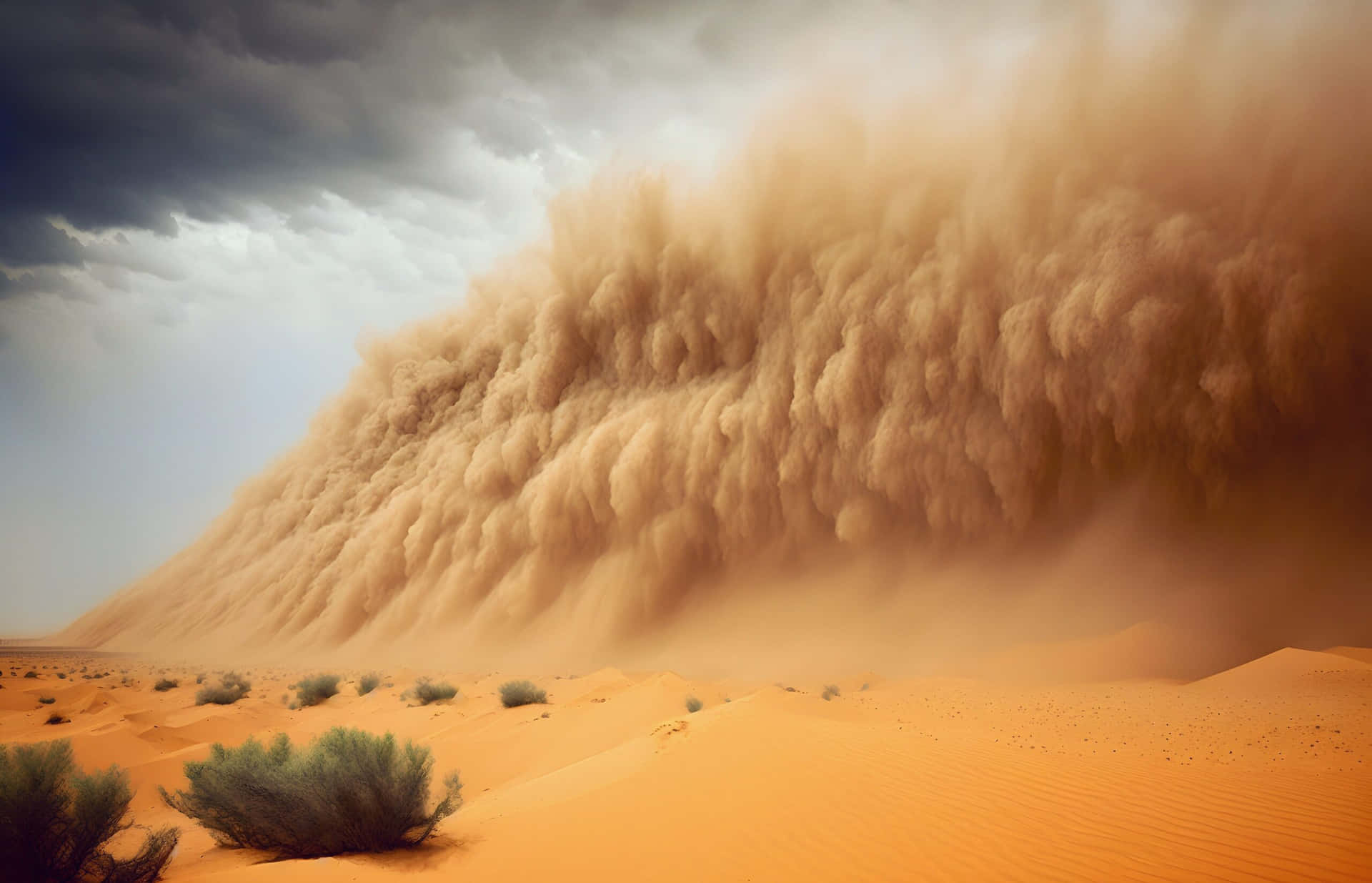
The Meteorological Center has issued a warning regarding the presence of dust particles affecting the regions of Al-Hanakiyah and Al-Mahd, which may impact visibility. Drivers are advised to exercise caution while driving in these areas, as horizontal visibility may significantly decrease due to these dust particles.
These warnings come at a time when the Kingdom of Saudi Arabia is experiencing weather fluctuations, with some regions affected by various climatic factors. Dust particles are considered a common phenomenon in the spring season, where increased wind speeds lead to the rise of dust in the atmosphere, affecting air quality.
Details of the Event
According to reports, the dust particles may reduce visibility to less than 2 kilometers in some areas, necessitating the implementation of necessary precautions. The center indicated that this phenomenon may persist for some time, requiring citizens and residents in Al-Hanakiyah and Al-Mahd to monitor updates from the meteorological authorities.
It is worth noting that dust particles are not new to the region, as the Kingdom has witnessed similar cases in previous years, prompting relevant authorities to prepare for such climatic conditions.
Background & Context
Dust particles are part of the desert climate that characterizes the Kingdom of Saudi Arabia. Strong winds cause the rise of dust and sand, impacting the daily lives of residents. In recent years, reports of health issues related to air pollution resulting from these phenomena have increased.
The Saudi government is taking various steps to address these climatic challenges, including improving air quality and enhancing environmental awareness among citizens. Efforts are also underway to develop infrastructure to mitigate the effects of sandstorms and dust.
Impact & Consequences
Dust particles can affect public health, increasing the risks of respiratory diseases. Individuals suffering from health issues such as asthma or allergies are advised to avoid going out during dust storms. Additionally, these phenomena can impact traffic, leading to accidents due to poor visibility.
These conditions require local authorities to take swift action to minimize risks, such as issuing warnings to drivers and activating emergency plans. Citizens should also be aware of the directives issued by relevant authorities.
Regional Significance
Dust particles are a common phenomenon in many Arab countries, where desert regions are affected by similar climatic conditions. This challenge highlights the importance of regional cooperation in addressing climate issues, as experiences and technologies can be shared among countries to mitigate the effects of these phenomena.
In light of global climate changes, the frequency of these phenomena may increase, necessitating Arab countries to develop effective strategies to adapt to these challenges. It requires a concerted effort between governments and local communities to achieve positive outcomes.
In conclusion, dust particles remain an ongoing challenge that requires everyone to be aware and adapt to changing climatic conditions. It is essential to follow warnings and directives from relevant authorities to ensure everyone's safety.