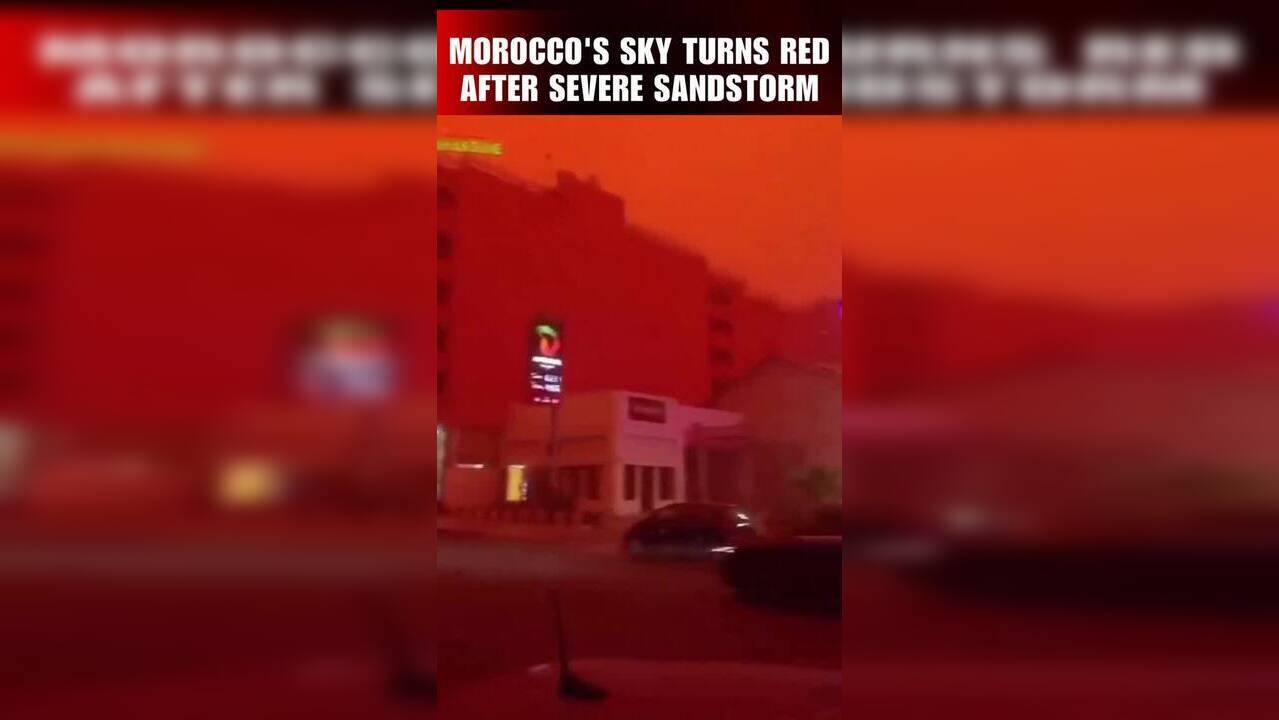
A powerful dust storm has brought Sahara dust to Greek skies, transforming them into a striking red hue. This unusual weather phenomenon has raised concerns among residents and impacted daily life, as red clouds covered the skies of many Greek cities, including the capital, Athens.
The storm, which began earlier in the week, led to a deterioration in air quality, prompting authorities to issue warnings to residents, especially those with respiratory issues. Some outdoor activities were also canceled due to the harsh weather conditions.
Details of the Event
In recent days, Greece has experienced an unprecedented dust storm, as strong winds carried Sahara dust from North Africa into European airspace. This dust, composed of fine particles, resulted in a mysterious red sky, astonishing residents and observers alike. Images captured from various regions in Greece showcased this stunning scene, where the sky appeared to be ablaze.
The dust caused reduced visibility in some areas, affecting traffic and leading to flight delays. The Greek Meteorological Service issued warnings about sandstorms, indicating that this phenomenon could persist for several days before subsiding.
Background & Context
Dust storms are natural phenomena that occur due to weather changes and are often more common in desert regions. However, their impact on European areas, such as Greece, is considered rare. The reason for this phenomenon is attributed to climate changes that lead to an increase in the intensity of sandstorms in the Sahara.
Historically, Greece has witnessed some dust storms, but not with the severity observed recently. These phenomena may be linked to global climate change, where rising temperatures exacerbate extreme weather conditions.
Impact & Consequences
Dust storms affect public health, as they can cause respiratory issues for individuals with chronic health conditions. Additionally, the dust can impact agricultural crops and water quality, raising concerns among farmers.
Moreover, these phenomena can lead to increased healthcare costs due to a rise in asthma and allergy cases. Economic impacts may also include a decline in tourism, as visitors may avoid traveling to areas experiencing such harsh weather conditions.
Regional Significance
This phenomenon serves as a reminder of the importance of regional cooperation to address environmental challenges. Arab countries, especially those close to the Sahara, may face similar impacts due to climate change. It is crucial for nations to adopt strategies to adapt to these changes, including improving water management and sustainable agriculture.
In conclusion, the dust storm experienced in Greece highlights the importance of environmental awareness and international cooperation in tackling climate challenges. Such events should motivate countries to work together to protect the environment and the health of citizens.