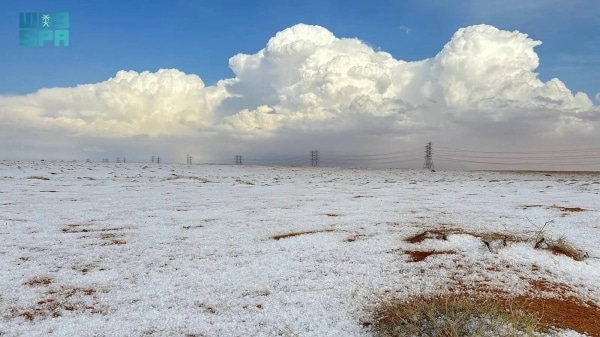
The General Authority for Meteorology and Environmental Protection in the Kingdom of Saudi Arabia has announced its weather forecast for today, highlighting the active winds stirring up dust in the regions of Tabuk, Al-Jawf, and the Northern Borders. These winds may lead to reduced horizontal visibility, prompting citizens and residents to exercise caution while driving.
Forecasts indicate that wind speeds may exceed 60 kilometers per hour, increasing the likelihood of sandstorms. These weather conditions are also expected to impact daily activities, especially in open areas.
Details of the Event
The Tabuk region, located in the northwest of the Kingdom, is particularly affected by these winds, as its climate is predominantly dry throughout most of the year. In Al-Jawf, known for its vast farms, the winds may affect agricultural crops and cause potential damage. The Northern Borders region, being a desert area, may experience sandstorms that could hinder traffic movement.
These forecasts come at a time when the Kingdom is witnessing noticeable climatic changes, with an increase in the frequency of sandstorms during certain seasons, raising concerns about their impact on public health and the environment.
Background & Context
Dusty winds are part of the desert climate that characterizes the northern regions of the Kingdom. In recent years, there has been an increase in the number of days these areas experience sandstorms, putting pressure on infrastructure and health services.
The Saudi government is striving to improve air quality and mitigate the impact of sandstorms through various environmental projects, including tree planting and urban planning improvements. However, these winds remain a persistent challenge that requires an effective response from the relevant authorities.
Impact & Consequences
Dusty winds can have negative effects on public health, especially for individuals with respiratory issues. They can also affect traffic movement, increasing the risk of accidents on the roads.
These weather conditions require local authorities to take precautionary measures, such as issuing warnings to drivers and providing accurate information about the weather situation. Citizens should also take necessary precautions, such as wearing masks and avoiding going out during peak times.
Regional Significance
Sandstorms and dusty winds are common phenomena in many Arab countries, affecting daily life and economic activities. In countries like Iraq and Jordan, desert areas face similar challenges, necessitating regional cooperation to address these climatic phenomena.
These weather conditions require Arab countries to adopt effective strategies to adapt to climate changes, including improving early warning systems and developing emergency plans to cope with sandstorms.
In conclusion, dusty winds remain a continuous challenge that requires awareness and cooperation from everyone to mitigate their negative impacts on health and the environment.