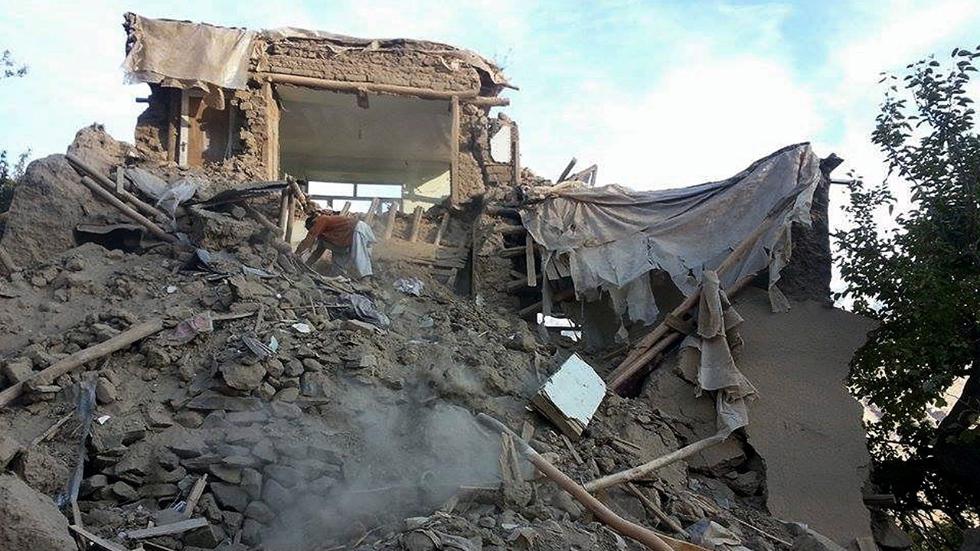
A magnitude 5.8 earthquake struck Afghanistan and Pakistan, resulting in 8 fatalities in the Afghan capital, Kabul. The tremor occurred early this morning, causing panic among residents. Reports indicate that the earthquake was felt across wide areas of Pakistan, leading to the evacuation of numerous buildings in major cities.
This seismic event comes at a time when Afghanistan is grappling with escalating humanitarian and political crises, as residents face significant challenges amid tough economic conditions. Images circulated on social media showed some damage to buildings in Kabul, where residents rushed into the streets seeking safety.
Details of the Event
According to the US Geological Survey, the earthquake's epicenter was located at a depth of 10 kilometers near the Afghan-Pakistani border. Many areas in Pakistan were affected, including the capital, Islamabad, where strong tremors were recorded. Authorities issued warnings for residents to take necessary precautions in case of aftershocks.
In Kabul, rescue teams rushed to the affected areas to assist the injured. Numerous injuries have been reported, along with damage to residential buildings. Relief centers have also been opened to provide assistance to those affected by the earthquake.
Background & Context
Afghanistan is considered a seismically active region, located at the intersection of several tectonic plates. Historically, the country has experienced many devastating earthquakes, resulting in loss of life and property destruction. Over the years, earthquakes in Afghanistan have posed significant challenges to successive governments, adding to ongoing humanitarian crises.
In recent years, the humanitarian situation in Afghanistan has worsened due to political and economic crises, making residents more vulnerable to the impacts of natural disasters. Multiple crises have weakened infrastructure, complicating immediate responses to such events.
Impact & Consequences
This earthquake is expected to have long-term effects on the humanitarian situation in Afghanistan. With the rising number of casualties and injuries, authorities will face significant challenges in providing necessary assistance. The damage to buildings may exacerbate economic conditions, as many families will need to rebuild their homes.
Furthermore, this event may increase pressure on the Afghan government, which is already struggling with resource shortages. The current situation reflects the urgent need for international support to assist the Afghan people in facing this disaster.
Regional Significance
This earthquake serves as a reminder of the importance of preparedness for natural disasters, especially in regions facing humanitarian crises. It also highlights the necessity for regional and international cooperation in providing assistance to affected countries. In the Arab region, there may be a need to develop effective strategies to deal with natural disasters, especially in light of increasing climate changes.
In conclusion, hope remains pinned on the international community's ability to provide the necessary support to Afghanistan during these challenging times. Humanitarian solidarity is the only way to confront the challenges faced by peoples in times of crisis.