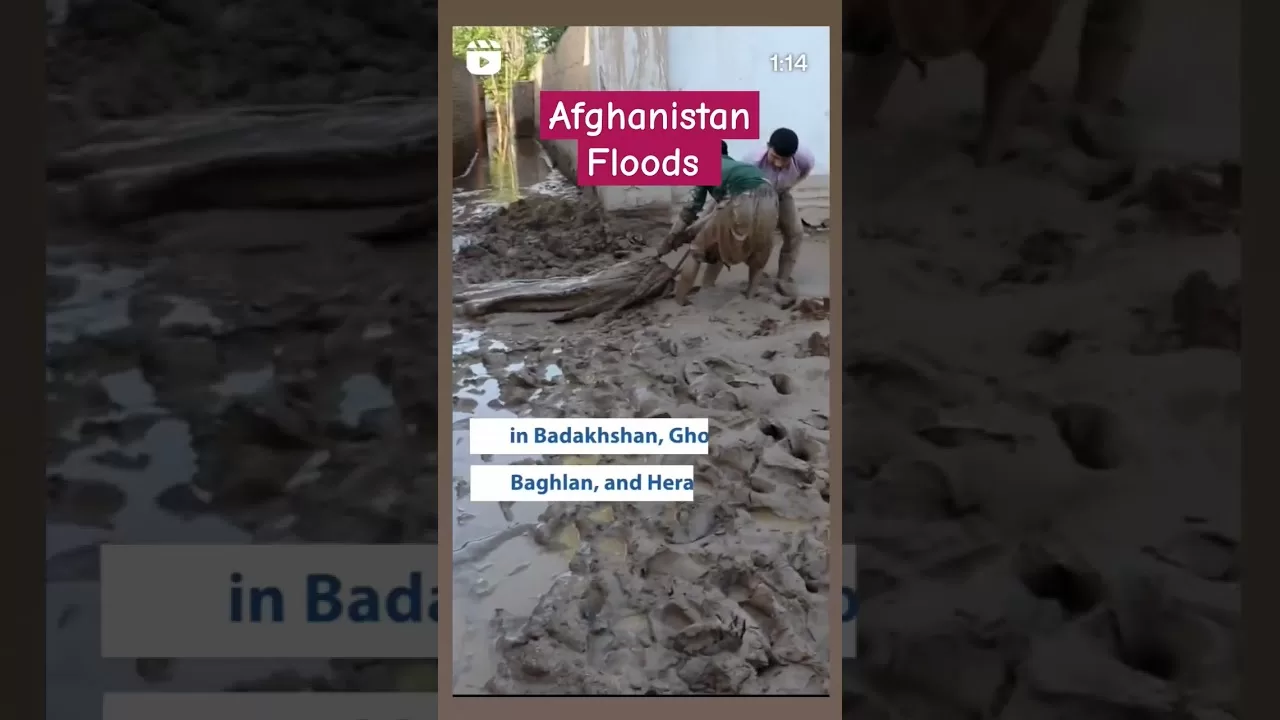
Afghanistan is facing a worsening humanitarian crisis after floods claimed the lives of at least 77 people this week, in addition to an earthquake that occurred last Friday, which killed another 12 individuals. These natural disasters have destroyed or damaged thousands of homes, exacerbating the suffering of a population already enduring difficult conditions.
These events come at a time when Afghanistan is suffering from multiple crises, including extreme poverty and a lack of humanitarian aid. The floods that swept across the country were the result of heavy rains that fell over vast areas, leading to landslides and destruction of infrastructure.
Details of the Events
Relief operations are ongoing in the affected areas, as humanitarian organizations strive to provide necessary assistance to survivors. However, access to the disaster-stricken regions faces significant challenges due to extensive damage to roads and facilities. Reports indicate that many families have lost their homes entirely, leaving them homeless in harsh weather conditions.
At the same time, local officials noted that the earthquake that struck on Friday registered a magnitude of 5.6 on the Richter scale and was felt by residents in many areas. The earthquake added to the chaos in regions already suffering from flooding, complicating relief efforts further.
Background & Context
Historically, Afghanistan has suffered from multiple natural disasters, including earthquakes and floods. The country is located in an active seismic zone, making it prone to such events. In recent years, humanitarian conditions have worsened due to ongoing conflicts, leading to a decline in living conditions for the population.
It is noteworthy that Afghanistan is also facing a humanitarian crisis as a result of the fallout from the withdrawal of foreign troops, which has significantly deteriorated economic and social conditions. These natural disasters come to further increase the suffering of the Afghan people, who are already facing shortages of food, water, and healthcare.
Impact & Consequences
Humanitarian organizations expect these disasters to exacerbate the humanitarian situation in Afghanistan, as the need for food and medical assistance will increase. The number of internally displaced persons is expected to rise, putting additional pressure on the limited resources available.
Furthermore, these disasters could impact political stability in the country, potentially leading to increased tensions between the government and local communities, especially if authorities fail to provide adequate support to those affected.
Regional Significance
The humanitarian crises in Afghanistan are a concern for the Arab world, as many Arab countries provide humanitarian assistance to Afghanistan. The deteriorating conditions may lead to increased illegal migration towards neighboring countries, posing new challenges for Arab governments.
In conclusion, the natural disasters striking Afghanistan remind us of the importance of humanitarian solidarity and highlight the urgent need to support countries affected by crises, whether natural or man-made.