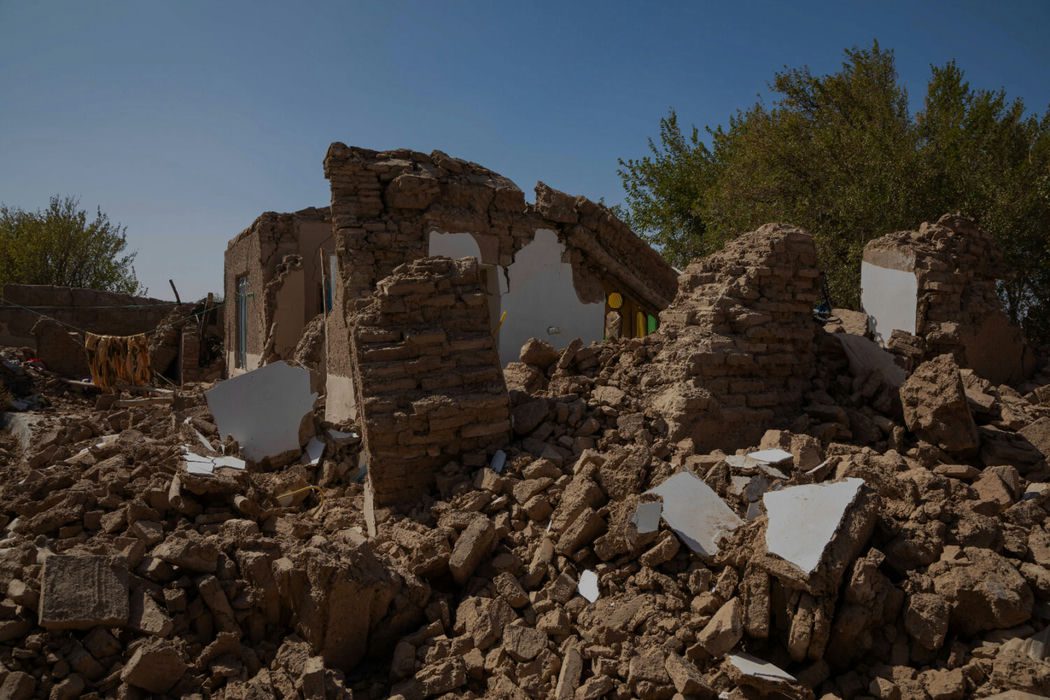
A magnitude 5.9 earthquake struck the Hindu Kush region of Afghanistan on Friday, resulting in the deaths of eight people and injuring one child due to a house collapse in the capital, Kabul, according to the National Disaster Management Authority of the country.
The earthquake occurred at a depth of 177 kilometers, and was felt by residents in the capital Kabul, as well as in the Pakistani capital Islamabad and the Indian city of New Delhi, where witnesses reported experiencing strong tremors.
Details of the Event
Afghanistan is known for being prone to numerous natural disasters, particularly earthquakes due to its geographical location surrounded by rugged mountains. In recent years, the country has experienced several deadly earthquakes, with an average of about 560 people killed annually as a result of seismic activity.
Last November, Afghanistan experienced a powerful earthquake measuring 6.3 on the Richter scale, which resulted in the deaths of 27 people and the destruction of hundreds of homes. These events highlight the urgent need for improved infrastructure and disaster response capabilities in the country.
Background & Context
Historically, Afghanistan has suffered from various natural disasters, including earthquakes and floods. This is largely due to its geographical location on the seismic belt known as the Ring of Fire, which extends through several countries. This belt causes recurrent seismic activity in the region, putting the population at risk.
The Afghan government, despite facing significant challenges, is striving to enhance its early warning and disaster response systems; however, limited resources hinder these efforts. Additionally, the security and political situation in the country complicates relief efforts.
Impact & Consequences
The repercussions of the earthquake extend beyond human casualties, affecting infrastructure and housing as well. As the number of victims rises, the need for humanitarian aid and relief increases. Earthquakes also exacerbate the already dire economic conditions in the country, which is struggling with significant hardships.
Effective response to these disasters requires coordination between the Afghan government and international organizations, as aid can help alleviate the suffering of those affected. However, security challenges may impede the delivery of assistance to the impacted areas.
Regional Significance
These events underscore the importance of enhancing regional and international cooperation in disaster management. Arab countries can learn from Afghanistan's experiences in dealing with natural disasters, as some Arab nations are also at risk of earthquakes and floods.
Furthermore, providing humanitarian support to Afghanistan reflects Arab solidarity with populations affected by disasters, strengthening relationships between nations and demonstrating their commitment to humanitarian principles.