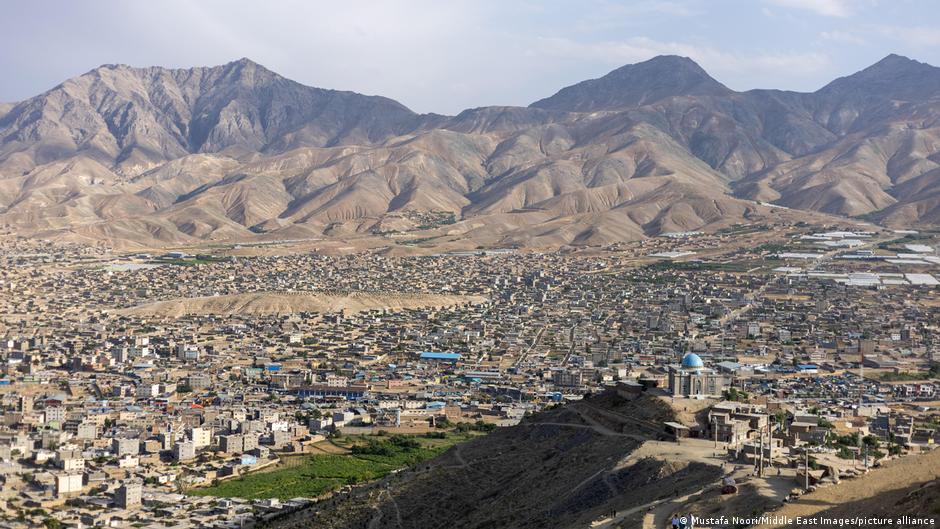
A magnitude 5.9 earthquake struck northern Afghanistan, resulting in the deaths of eight individuals and injuring others. The epicenter was located in the Hindu Kush mountains, approximately 150 kilometers east of the Afghan city of Kunduz, with residents feeling the tremors in various parts of Afghanistan, as well as in parts of Pakistan and India.
According to local authorities, the incident occurred early this morning when a house collapsed in the suburbs of the capital Kabul, killing eight members of a single family, while another child was injured. Hafizullah Sharafat, the spokesperson for the Kabul governor, stated that a thorough damage assessment might be delayed due to the distance of the earthquake's epicenter from populated areas.
Details of the Event
Afghanistan is known to be a seismically active region, having experienced several devastating earthquakes in the past. The recent earthquake occurred at a depth of 177 kilometers, according to the German Research Centre for Geosciences. Health officials across the country have been put on alert to respond to any emergencies that may arise from this earthquake.
In Pakistan, residents in cities such as Islamabad, Peshawar, and Swat felt the tremors, while reports indicated that the earthquake was also felt in areas such as Delhi, Punjab, and Jammu and Kashmir in India.
Background & Context
Historically, Afghanistan has suffered from devastating earthquakes, with a 6.0 magnitude quake in August last year in Kunar province resulting in over 2,200 deaths and thousands injured. The country also experienced another earthquake in October 2023, measuring 6.3 near the city of Herat, leading to thousands of fatalities.
The rugged geography of Afghanistan, coupled with political and economic instability, complicates emergency response efforts to natural disasters such as earthquakes. These conditions make it difficult for local authorities to assess damage and provide immediate assistance to those affected.
Impact & Consequences
The recent earthquake serves as a painful reminder of the fragility of the situation in Afghanistan, where humanitarian and political crises hinder the government's ability to cope with natural disasters. The loss of life and destruction of homes deepens the suffering of a population already grappling with poverty and deprivation.
This incident may increase pressure on the Afghan government, necessitating a swift and effective response to meet the needs of those affected. The psychological impact on the population will be significant, as many live in fear and anxiety of further earthquakes.
Regional Significance
Although the earthquake occurred in a remote area, its effects extend to the Arab region by highlighting the need for regional cooperation in disaster response. Such events may require enhanced coordination among Arab nations to provide humanitarian aid and technical support to countries affected by natural disasters.
In conclusion, Afghanistan remains a case study of the challenges faced by nations in dealing with natural disasters, calling for international support and assistance to alleviate the suffering of its people.