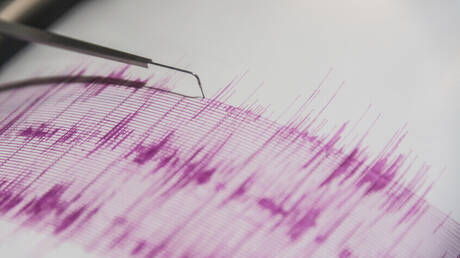
A magnitude 4.5 earthquake struck off the coast of Lebanon, with residents in the Lebanese capital Beirut and the Syrian city of Damascus, as well as northern Israel, reporting they felt the tremors. The quake occurred early this morning, causing anxiety among residents who experienced the shaking.
This earthquake is one of several tremors that have been recorded in the region recently, as seismic activity has increased in the eastern Mediterranean. The seismic research center indicated that the quake occurred at a depth of 10 kilometers, making it more perceptible in neighboring areas.
Details of the Event
The earthquake that occurred off the coast of Lebanon was noticeable in many areas, with residents reporting they felt it for a brief period. No reports of material damage or injuries have been received so far, but local authorities are monitoring the situation closely. Earthquakes in this region are not new, as Lebanon and Syria have experienced several tremors in recent years.
It is worth noting that the area is situated on seismic fault lines, making it prone to earthquakes. Studies have shown that seismic activity in this region has increased in recent years, raising concerns about the potential for larger quakes in the future.
Background & Context
Historically, the eastern Mediterranean region has witnessed numerous devastating earthquakes, with significant tremors in the past causing severe damage and loss of life. For instance, the earthquake that struck in 1759 in Lebanon was among the deadliest, resulting in thousands of fatalities.
In recent years, earthquakes have become more frequent, prompting governments to enhance emergency plans and prepare for such disasters. Public awareness regarding how to act during earthquakes has also been heightened, especially in urban areas.
Impact & Consequences
Earthquakes can significantly impact the lives of residents, potentially leading to panic and anxiety. In the event of larger tremors, they may cause damage to infrastructure and buildings, increasing concerns about public safety.
Furthermore, earthquakes can affect economic activities in the region, leading to business interruptions and service disruptions. Therefore, it is crucial to have effective strategies in place to address these challenges.
Regional Significance
Earthquakes in Lebanon and Syria are part of a larger phenomenon affecting the Middle East. With increasing seismic activity, neighboring countries must be prepared to face the challenges that may arise from these natural phenomena.
These circumstances require enhanced cooperation among Arab countries in the fields of scientific research and technology to develop effective strategies to mitigate the impacts of earthquakes. Public awareness regarding the importance of disaster preparedness must also be strengthened.