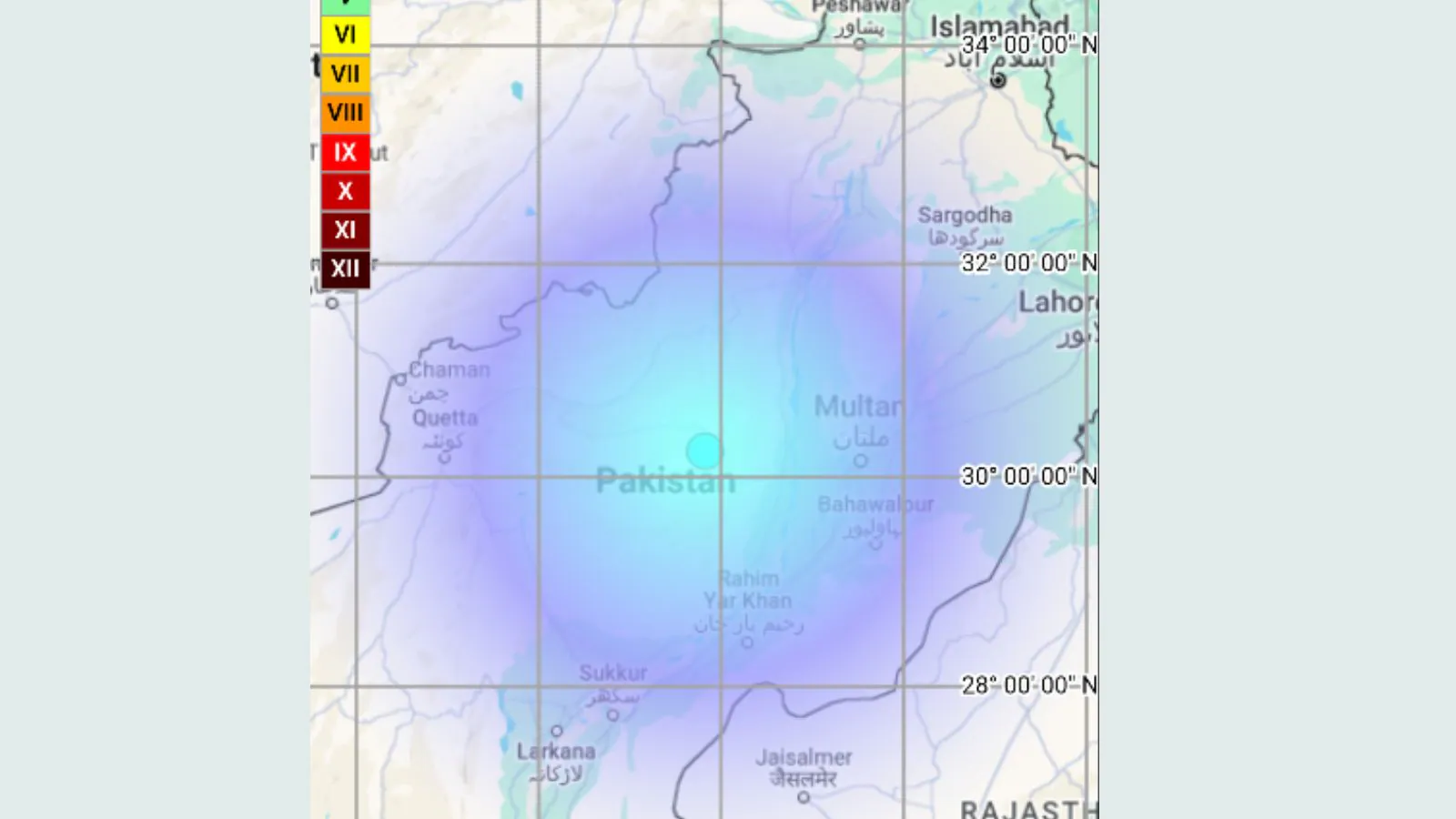
A 6.3 magnitude earthquake struck northern Pakistan, causing a wave of anxiety among the population. The earthquake occurred early this morning, with many citizens in the surrounding areas feeling the tremors. As of now, there are no official reports of injuries or significant damage, but local authorities are working to assess the situation.
Pakistan is known to be a seismically active region, having experienced numerous devastating earthquakes in the past. The recent quake comes at a sensitive time as the country continues to deal with the aftermath of previous natural disasters.
Details of the Event
The earthquake occurred at 6:30 AM Pakistan time, with its epicenter located near the city of Muzaffarabad, the capital of Azad Kashmir. Residents in major cities like Islamabad and Lahore also felt the tremors, which caused buildings to sway briefly. The Pakistan Geological Survey has issued warnings to residents to take necessary precautions.
Local authorities are conducting inspections in the affected areas to ensure there are no serious damages. Emergency teams have been deployed to the most impacted regions to provide necessary assistance.
Background & Context
Historically, Pakistan has suffered from several devastating earthquakes, the most notable being the earthquake in 2005 that resulted in the deaths of over 80,000 people. These earthquakes serve as a reminder of the importance of disaster preparedness, as the country lies on an active seismic belt.
Pakistan is particularly vulnerable to earthquakes due to its geographical location, situated at the boundaries of several tectonic plates. This makes it prone to strong earthquakes, necessitating ongoing preventive measures from both the government and citizens.
Impact & Consequences
The recent earthquake is likely to heighten awareness regarding the importance of disaster preparedness in Pakistan. Such events may prompt the government to enhance infrastructure and improve early warning systems.
These occurrences could also impact the local economy, as any damages incurred would require significant investments for repairs. Should substantial damage occur, various economic sectors, including construction and trade, could be affected.
Regional Significance
While Arab countries are not directly affected by the earthquake, natural events in Pakistan raise concerns in the region. These disasters could foster regional cooperation in areas of relief and emergency response.
Moreover, the growing awareness of natural disasters may encourage Arab nations to improve their crisis management strategies, enhancing their capacity to deal with similar events in the future.
In conclusion, the recent earthquake in northern Pakistan serves as a reminder of the importance of being prepared for natural disasters. Although there are no reports of significant damage thus far, the situation requires careful monitoring by both authorities and citizens alike.