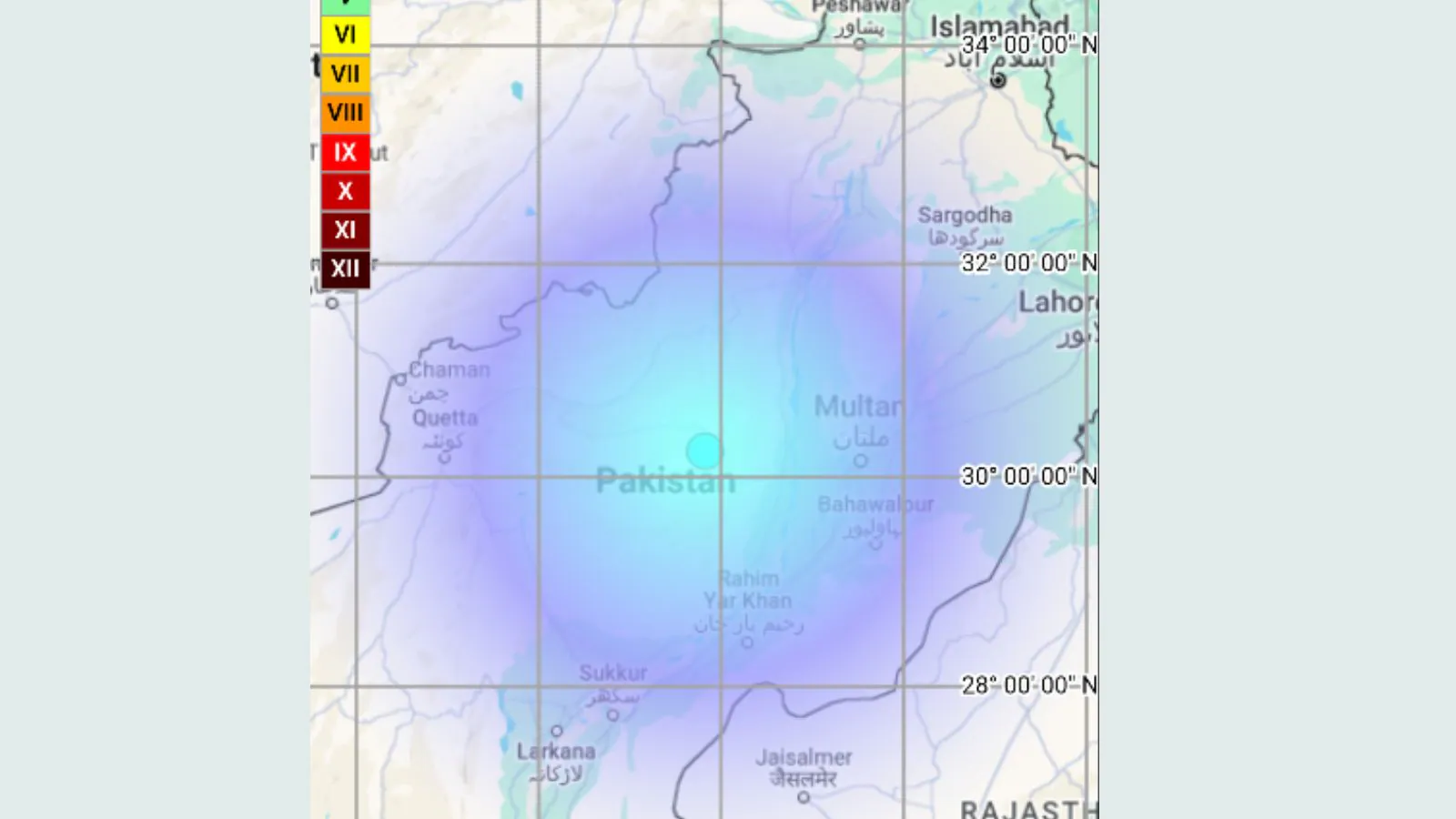
A magnitude 6.2 earthquake struck Pakistan this morning, raising concerns among residents and prompting local authorities to issue warnings. The earthquake, which occurred at 6:00 AM Pakistan time, was felt by residents in several major cities including Islamabad, Karachi, and Lahore.
According to the National Seismic Monitoring Center, the epicenter of the earthquake was located at a depth of 10 kilometers, increasing the likelihood of its impact on surface areas. So far, there have been no reports of injuries or significant damage, but authorities continue to assess the situation.
Details of the Event
The earthquake is part of the seismic activity known in the Himalayan region, where tectonic plates intersect. Initial reports indicated that the earthquake was strong enough to be felt by residents in areas far from its epicenter. The meteorological authority issued warnings to citizens to take necessary precautions.
Pakistan is considered one of the most earthquake-prone countries in the world, having historically experienced many devastating earthquakes. In 2005, a magnitude 7.6 earthquake struck northern Pakistan, resulting in the deaths of over 80,000 people.
Background & Context
The history of earthquakes in Pakistan dates back centuries, as the country is located in a seismically active region. The continuous movement of tectonic plates causes recurring earthquakes, making preparedness for such disasters essential. The Pakistani government has taken steps to improve infrastructure to withstand earthquakes, but challenges remain.
Mountainous areas are particularly affected, as earthquakes can lead to landslides, increasing the risk of loss of life. In recent years, efforts have been strengthened to raise awareness among the population on how to act during earthquakes.
Impact & Consequences
Although there have been no reports of major damage so far, the earthquake may affect the daily lives of residents. Aftershocks can increase anxiety among citizens, prompting them to seek safe shelter.
A swift response is required from local authorities, as emergency plans must be ready to handle any emergencies that may arise. Additionally, the earthquake may impact public services such as electricity and water, complicating the situation further.
Regional Significance
While the earthquake is a local event in Pakistan, it has potential implications for the Arab region. This incident may raise concerns about earthquakes occurring in other areas, especially in countries located on tectonic plate boundaries.
Arab countries, such as Lebanon and Syria, are also susceptible to earthquakes, making it essential to enhance awareness about how to deal with natural disasters. Such incidents could foster cooperation among countries in emergency response efforts.
In conclusion, the earthquake that struck Pakistan serves as a reminder of the necessity to prepare for natural disasters and to enhance public awareness on how to act in such situations.