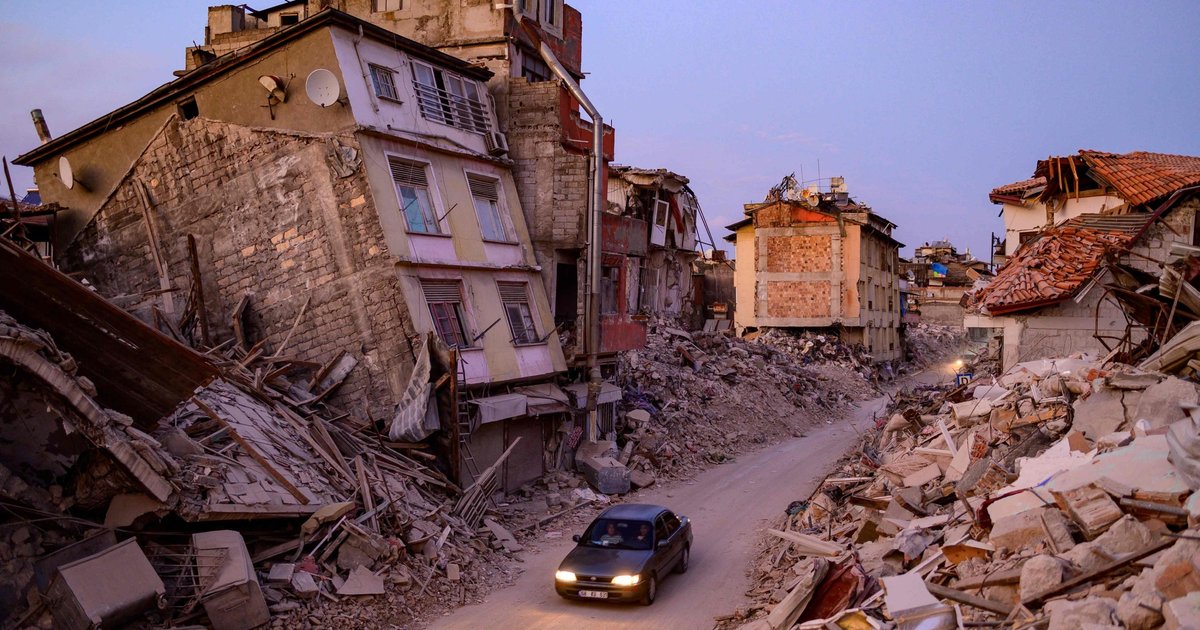
A powerful earthquake measuring 7.6 on the Richter scale struck North Sulawesi in Indonesia, resulting in one fatality in the city of Manado. The earthquake, which occurred on Thursday morning, raised concerns among residents and triggered tsunami warnings in some coastal areas.
According to reports from BNPB (the National Disaster Management Authority), the earthquake was recorded at 6:32 AM local time, with its epicenter located near the city of Bitung, causing strong tremors in surrounding areas.
Details of the Event
Following the earthquake, reports indicated that small tsunami waves were observed in some coastal areas, prompting authorities to issue warnings to citizens. However, the Meteorology, Climatology, and Geophysics Agency confirmed that the risk of a significant tsunami had subsided, and the situation at sea had stabilized.
The Search and Rescue Service reported that one fatality had been recorded in the city of Manado, along with several injuries that were transported to hospitals for treatment. Local authorities are working to assess the damage to homes and public facilities.
Background & Context
Indonesia is considered one of the most earthquake-prone countries due to its location on the Pacific Ring of Fire, where several tectonic plates meet. The country has experienced numerous devastating earthquakes over the years, leading to loss of life and destruction of property.
In 2004, Indonesia was struck by a devastating earthquake measuring 9.1, which triggered a catastrophic tsunami in the Indian Ocean, resulting in the deaths of over 230,000 people. These incidents remind us of the importance of preparedness and readiness to face natural disasters.
Impact & Consequences
The recent earthquake highlights the urgent need to strengthen infrastructure in earthquake-prone areas and develop effective early warning systems. There is also a need to educate the population on how to act in emergencies.
The impact of the earthquake may extend to the local economy, as damages could disrupt business and tourism activities in the region. It is crucial for the government to collaborate with non-governmental organizations to provide assistance to those affected.
Regional Significance
Although the earthquake occurred in Indonesia, such natural events remind us of the importance of international cooperation in disaster response. Arab countries can benefit from exchanging experiences in disaster management and preparedness, especially amid increasing climate challenges.
In conclusion, we must be aware that natural disasters do not recognize borders, and international cooperation and good preparedness can save lives and reduce damages.