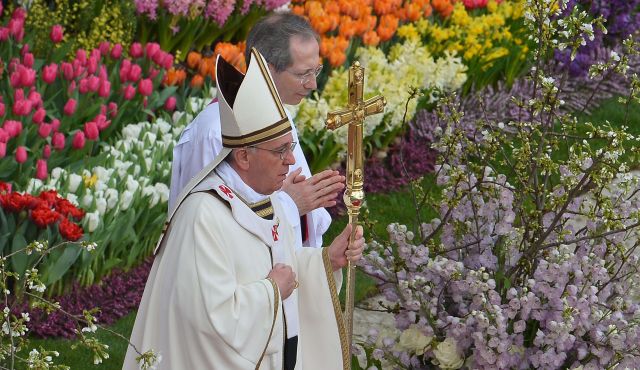
In light of the tragic circumstances engulfing the world, Easter 2026, according to the Western calendar, and Palm Sunday according to the Eastern calendar, passed without joy or celebration for the faithful. Grief and tragedy overshadowed the festivities, filling the atmosphere with anxiety and sorrow.
Instead of commemorating the resurrection of Christ as a symbol of peace and reassurance, several regions in the Middle East witnessed tragic events that claimed the lives of many innocents. Lives were lost in Palestine, Lebanon, and Iran, making the celebrations feel more like a painful remembrance than a joyous occasion.
Event Details
This year's Easter coincided with escalating tensions in many Arab countries, leading to the closure of churches in several areas due to security concerns. In Palestine, assaults on civilians continued, resulting in loss of life and leaving a deep impact on the souls of the faithful. In Lebanon, the country experienced political and security tensions that affected the celebrations, while Iran struggled with both internal and external crises.
These events reflect a painful reality faced by Christians in the region, where political and religious dimensions intertwine to create significant challenges for practicing religious rites freely and safely.
Background & Context
Historically, religious holidays in the Christian world have been opportunities for gathering and celebration, but the political and social conditions in the Middle East have rendered these occasions sorrowful. Ongoing conflicts in the region, whether in Palestine, Lebanon, or Iran, place immense pressure on communities, affecting their ability to celebrate.
These challenges are particularly evident during holidays, which are supposed to be moments of joy and peace. However, reality imposes itself, making it difficult for many to celebrate under the current circumstances.
Impact & Consequences
These events significantly affect the morale of Christian communities in the region. The pain resulting from the loss of loved ones and ongoing assaults creates a sense of despair and frustration. Additionally, the closure of churches symbolizes a loss of religious freedom, complicating the situation further.
These conditions require the international community to act urgently to support the rights of religious minorities in the region and work towards achieving peace and stability. Holidays should be moments for gathering and tolerance, not for fragmentation and division.
Regional Significance
These events impact relations between different communities in the region, highlighting sectarian tensions and increasing divisions. Furthermore, deteriorating security conditions affect tourism and the economy, exacerbating the challenges faced by Arab countries.
Ultimately, these events should serve as a call for reflection on how to achieve peace and peaceful coexistence among all sects. The world needs more tolerance and understanding, especially in times of crisis.