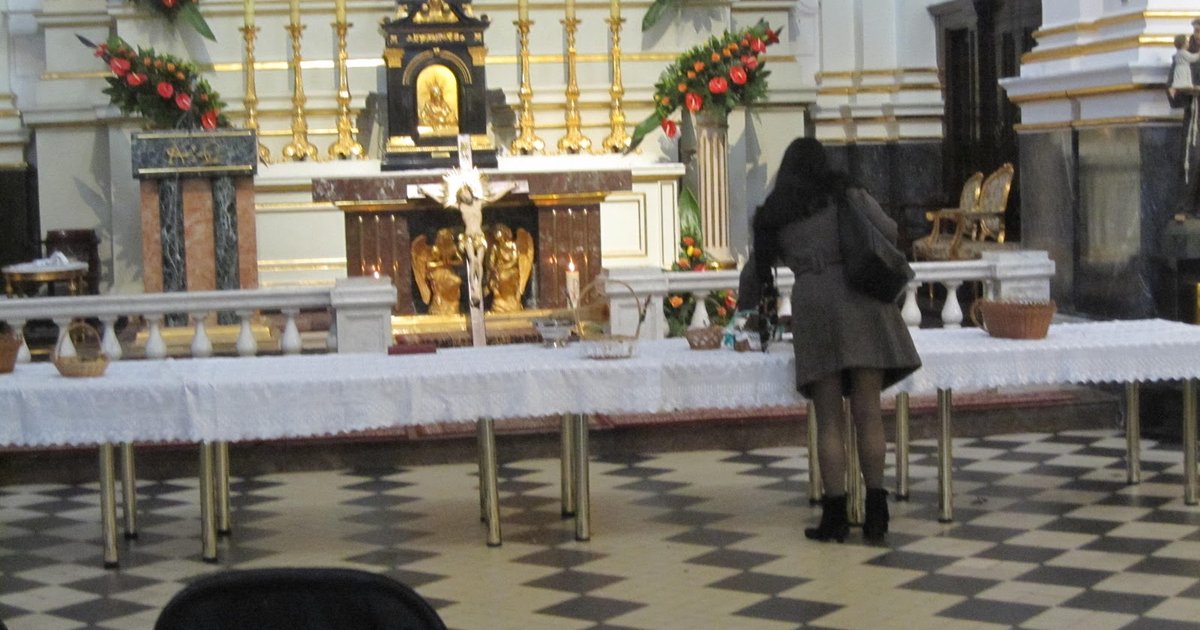
Poland celebrated Easter on March 28, with the National Cultural and Heritage Institute organizing special events in Warsaw. These celebrations reflect the country's rich cultural heritage and attract tourists from around the globe.
The Easter celebrations in Warsaw are characterized by a variety of activities and events, including artistic performances, traditional markets, and workshops that showcase the customs and traditions of the Polish people. Traditional foods, which are an integral part of this occasion, are also displayed, contributing to the enhancement of cultural tourism in the city.
Event Details
The Easter events in Warsaw include a range of activities targeting all age groups. Visitors can enjoy musical performances and folk dances, in addition to visiting markets that showcase handicrafts and local products. Workshops for children are also organized to teach them how to decorate eggs, a common tradition during the celebrations.
These events provide an opportunity for visitors to closely learn about Polish culture, as performances reflect the folk heritage and the rich history of the country. The celebrations also include special prayers at local churches, adding a spiritual dimension to the occasion.
Background & Context
Easter is one of the most important holidays in Christianity, celebrated in many countries around the world. In Poland, this holiday is distinguished by special traditions that date back centuries, symbolizing resurrection and renewal. The celebrations in Warsaw are not just a religious occasion; they are also a cultural festivity that reflects national identity.
Historically, Poland has been a center of Christian culture in Eastern Europe, and the traditions of Easter have been influenced by many different cultures over the ages. Today, Easter is seen as an opportunity to strengthen social and cultural ties among various communities in the country.
Impact & Consequences
The Easter celebrations in Poland contribute to enhancing cultural tourism, attracting visitors from different parts of the world. This event supports the local economy by increasing the number of tourists visiting the city, which in turn boosts local businesses.
Moreover, these celebrations foster cultural awareness among new generations, as traditions and customs are passed down from one generation to the next. This helps preserve Polish cultural heritage and strengthens national identity.
Regional Significance
Although Easter is a Christian holiday, the cultural celebrations reflect the importance of cultural diversity in the world. Arab countries can benefit from these experiences in promoting cultural tourism, as there is a growing interest in learning about different cultures.
Furthermore, enhancing mutual understanding between different cultures can contribute to building better relationships among peoples, promoting peace and cooperation in the region.
In conclusion, the Easter celebrations in Warsaw exemplify how culture can be used to enhance tourism and the local economy, highlighting the importance of cultural heritage in strengthening national identity.