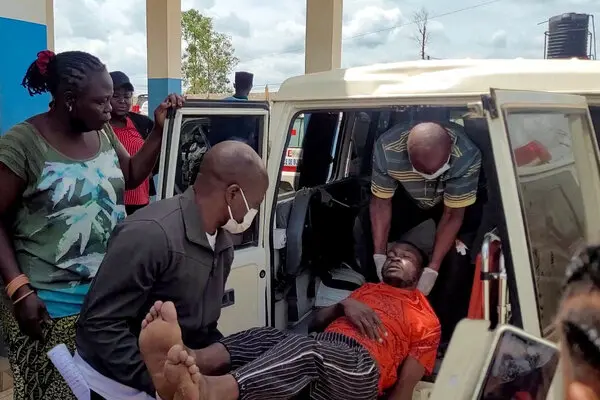
The World Health Organization has declared a global health emergency after an outbreak of Ebola in the Democratic Republic of the Congo, where cases of the virus were identified early last week. However, there were already hundreds of suspected cases and dozens of deaths before the official announcement.
Despite having advanced monitoring systems in place, officials in Ituri province, the epicenter of the current outbreak, failed to issue necessary warnings when symptoms began to appear in patients. Dr. Marie-Roseline Belizaire, who leads the WHO's response to the outbreak, noted that the warning came far too late, wasting precious time in containing the virus.
Details of the Outbreak
The Bundibugyo strain of the Ebola virus, a rare type, has been identified as the cause of the current outbreak. Although the Congo has extensive experience in handling Ebola outbreaks, delays in sending samples to the capital, Kinshasa, for testing contributed to the worsening situation. Typically, high infection cases are detected early, but this time it took weeks before health officials could confirm an outbreak of the virus.
This situation serves as a reminder of the importance of rapid response in health emergencies. Reports have shown that the virus was spreading in local communities without being recognized, leading to a larger outbreak that could have been avoided.
Background & Context
Historically, the Democratic Republic of the Congo has experienced several deadly outbreaks of the Ebola virus, making it one of the most affected countries by this virus. Advanced health monitoring systems have been developed in recent years, including the establishment of new laboratories, yet these systems were insufficient to prevent the current delay.
Ebola is one of the deadliest viruses, capable of killing up to 90% of those infected. Therefore, any delay in response can have dire consequences for public health.
Impact & Consequences
This outbreak highlights the urgent need to improve monitoring and response systems in countries facing high health risks. It also underscores the importance of international cooperation in combating epidemics, as viruses do not recognize borders.
This situation may increase pressure on health systems in the Congo, potentially affecting the country's ability to handle other infectious disease cases. The economic and social impact will also be significant, as epidemics can lead to decreased economic activity and increased poverty.
Regional Significance
Although the Ebola outbreak is occurring far from Arab countries, epidemics do not recognize borders. This situation may raise awareness in Arab nations about the importance of preparedness to face epidemics and enhance cooperation among countries in public health.
In conclusion, the current situation requires a rapid and coordinated response from the international community, as viruses like Ebola can spread quickly, threatening public health worldwide.