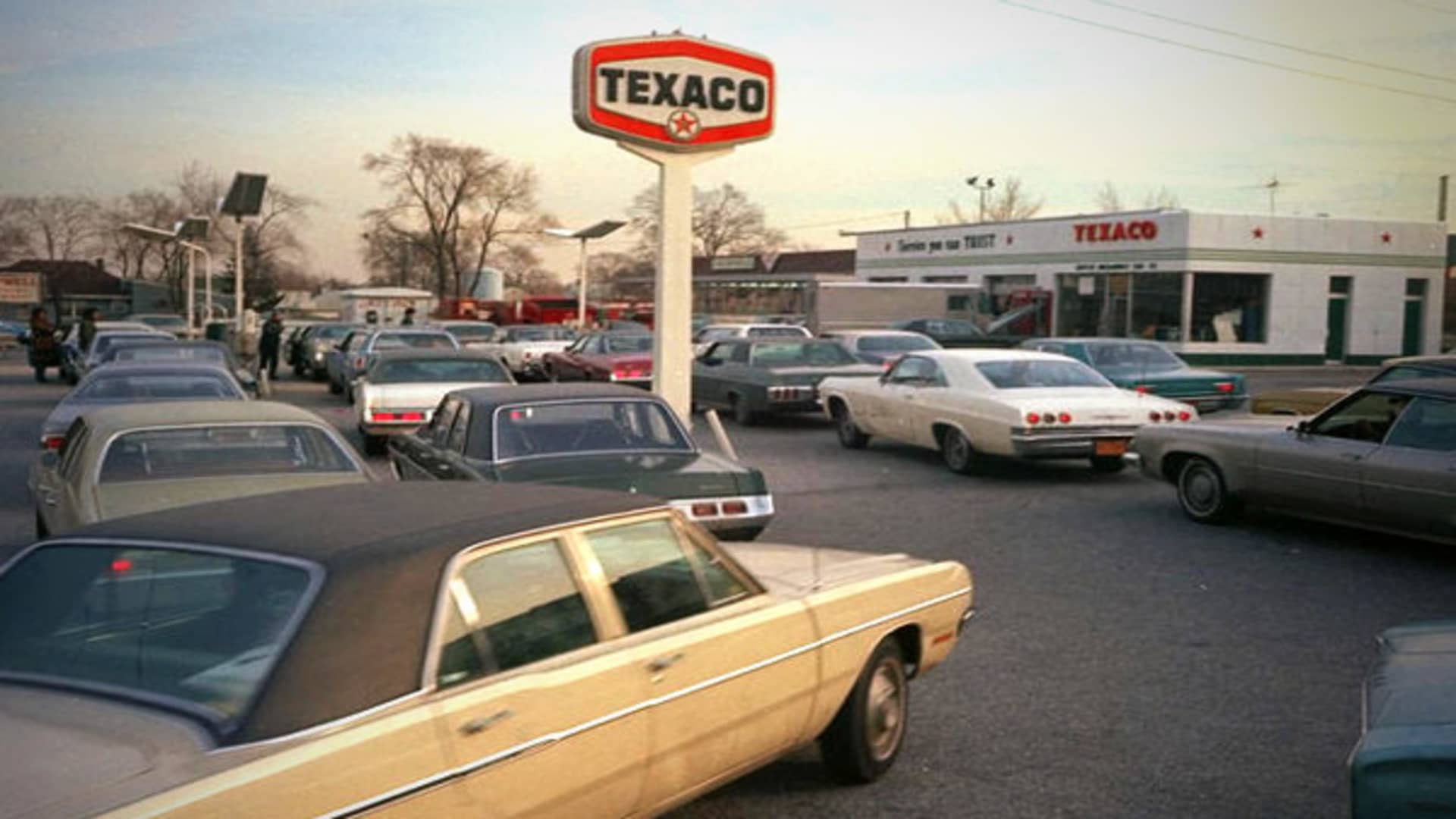
Tyler Goodspeed, a former economic advisor during the Trump administration, has revealed that economic recessions are phenomena that are hard to predict, as unexpected shocks, particularly in the energy sector, lead to their occurrence. This was discussed in relation to his upcoming book 'Recession: The Real Causes of Economic Contraction and What to Do About It.'
Goodspeed, who served as the Chairman of the Council of Economic Advisers at the White House during the Trump administration, emphasized that a recession is not the result of factors that can be accurately anticipated, but rather a consequence of sudden shocks that impact the economy as a whole. He pointed out that the energy sector is one of the most affected by these shocks, as energy is considered a crucial input for many other industries.
Details of the Event
In his discussion, Goodspeed explained that there are two types of economic shocks: the first are large shocks that affect all sectors, such as the COVID-19 pandemic, and the second are shocks that impact specific sectors but have widespread effects on the economy as a whole. An example of this is the impact of rising energy prices on the U.S. economy in 2008, when oil prices reached historic highs, leading to increased financial burdens on American households.
Goodspeed also noted that the recession that occurred in 2008 was not due to war or blockade, but was caused by rising energy prices, which forced American households to pay about $2,000 more annually on energy bills compared to previous years.
Background & Context
Historically, the United States has experienced several periods of recession, each with its own specific causes. For instance, the recession that occurred in 1927 was the result of Ford factories shutting down for retooling to produce a new model of car. Additionally, labor strikes in sectors such as steel led to shortages of essential materials, negatively impacting the economy.
In recent years, with technological advancements and increased production efficiency, the U.S. economy has become more capable of absorbing shocks. However, Goodspeed warns that recessions will continue to occur, as history shows that every period of economic prosperity does not last forever.
Impact & Consequences
The consequences of economic recessions are profound, affecting all segments of society. While the economy as a whole may recover, individuals and families may not feel this recovery to the same degree. Therefore, Goodspeed calls for the necessity of providing support and assistance to affected families during recession periods.
He also pointed out that restrictive fiscal and monetary policies during recession periods can exacerbate conditions, citing historical examples such as the Great Depression in the United States.
Regional Significance
Arab countries are significantly affected by global economic changes, especially in the energy sector. Rising oil prices or any shocks in this sector can impact the economies of Arab nations that heavily rely on oil revenues. Therefore, understanding the causes of recession and how to deal with it is vital for these countries.
In conclusion, economic recession remains a complex phenomenon that requires deep understanding and effective strategies to address it. As global economic changes continue, Arab countries need to prepare to face any shocks that may affect their economies.