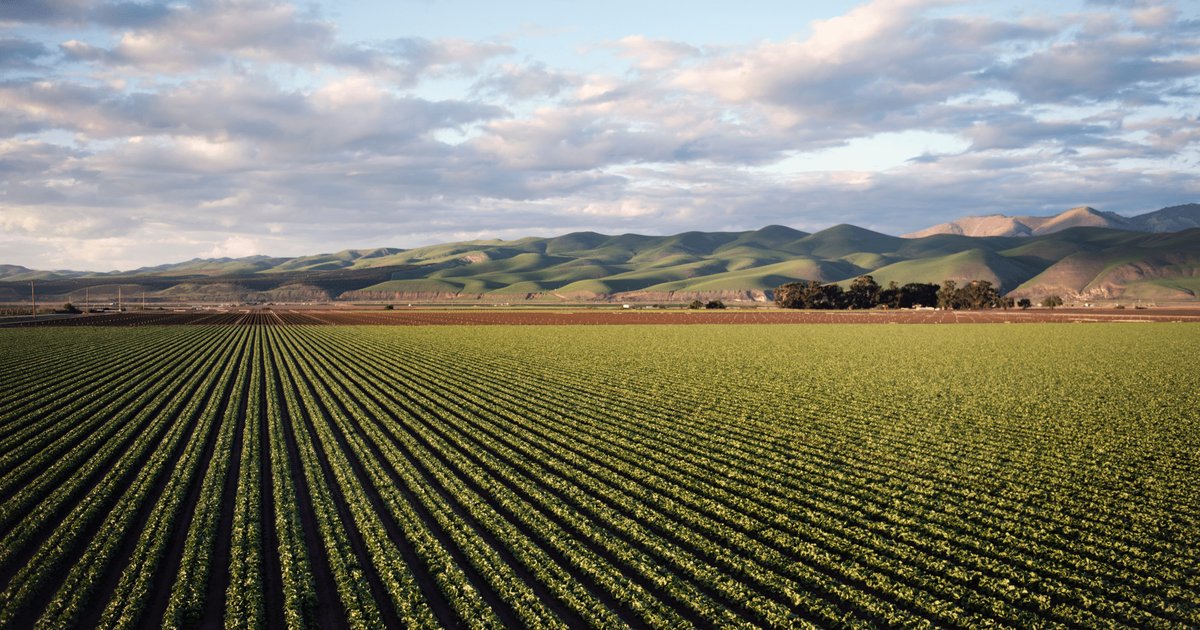
Geographical challenges are increasingly influencing economic costs in various countries. This shift highlights the importance of understanding the relationship between geography and economics.
In recent years, many countries have witnessed significant changes in how geography affects production and transportation costs. With the growing reliance on global supply chains, geographical factors have become crucial in determining prices and shipping costs.
Event Details
Reports indicate that countries facing geographical challenges, such as rugged terrain or a lack of natural resources, are suffering from high economic costs. For example, island nations face elevated shipping costs due to distance, impacting the prices of goods and services.
Moreover, climate change also affects economic geography. Natural disasters such as floods and droughts have increased production costs in many areas, placing additional pressure on local economies.
Background & Context
Historically, geography has always been a significant factor in economics. Countries with abundant natural resources enjoyed a competitive advantage in global markets. However, recent changes in the global economy, including globalization, have altered how geography impacts economics.
In recent decades, we have seen a shift in how countries manage their natural resources. Some nations have begun to exploit their resources more efficiently, helping them reduce costs and increase productivity. Meanwhile, other countries continue to suffer from mismanagement of resources, exacerbating economic costs.
Impact & Consequences
The effects of geography extend beyond economic costs; they also reach into areas such as politics and society. Countries with high economic costs may find themselves in a weak position on the international stage, affecting their ability to negotiate on global issues.
Furthermore, rising costs can lead to increased poverty and unemployment rates, creating significant social challenges. Countries that cannot adapt to these changes may face serious economic and social crises.
Regional Significance
In the Arab region, geography plays a crucial role in the economy. Countries located in remote areas or suffering from a lack of natural resources face significant economic challenges. For instance, some Arab nations heavily rely on importing essential goods, making them vulnerable to fluctuations in global prices.
Additionally, regional conflicts also affect economic geography, as some countries incur high costs due to political crises. Therefore, it is essential for Arab nations to improve their resource management and reduce the economic costs associated with geography.
In conclusion, it is evident that geography is not merely a natural element but a significant factor in the global economy. Countries must understand these dynamics and work on developing strategies to adapt to the economic challenges linked to geography.