The Iranian war is escalating economic challenges worldwide, with reports indicating that the costs could reach unprecedented levels. These expenses are expected to affect global markets and increase pressures on struggling economies.
The dimensions of the Iranian war's impact on the global economy are multifaceted, including rising oil and gas prices, disruption of supply chains, and increasing geopolitical tensions in the region. Collectively, these factors pose significant challenges for countries that rely on importing energy and resources from the Middle East.
Details of the Event
Reports indicate that the costs of the Iranian war could exceed $200 billion, placing additional pressures on the global economy. These figures reflect both direct and indirect costs incurred by nations due to ongoing conflicts, including physical damages, reconstruction costs, and economic burdens resulting from displacement and asylum.
The impact of these costs is not limited to the directly involved countries but extends to neighboring nations and those reliant on energy imports. Oil prices have seen a notable increase, leading to higher living costs in many countries.
Background & Context
Historically, Iran has been a center of regional conflicts, experiencing decades of tensions with major powers and neighboring countries. These tensions often escalate into armed conflicts, significantly affecting economic stability in the region. With the current conflict intensifying, it is expected that the economic situations in affected countries will worsen, exacerbating humanitarian crises.
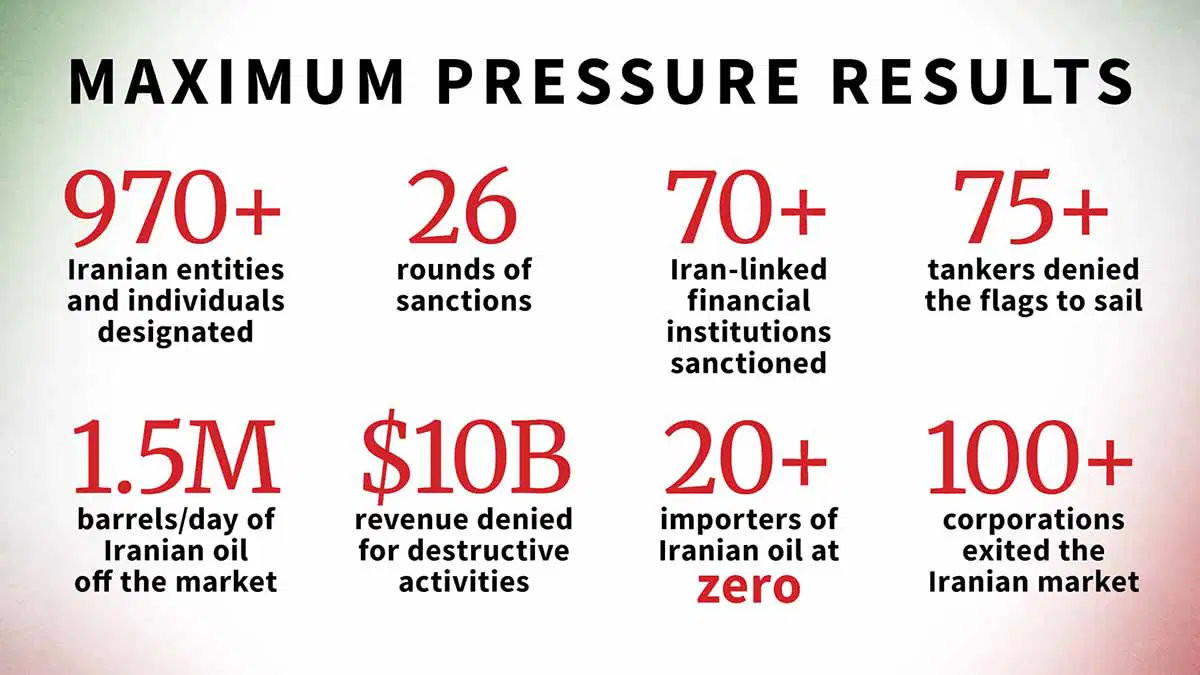
Moreover, the economic sanctions imposed on Iran have worsened conditions, damaging many vital sectors and impacting the country's ability to confront economic challenges. These circumstances make it difficult for Iran to achieve economic stability, increasing the likelihood of prolonged conflict.
Impact & Consequences
The economic repercussions of the Iranian war are numerous, including rising energy prices, disruption of supply chains, and increased inflationary pressures. These factors directly affect global economies, as costs rise for both consumers and businesses alike.
Furthermore, escalating geopolitical tensions may lead to volatility in financial markets, increasing economic instability. Countries that rely on energy imports may find themselves in a difficult position, facing rising prices at a time when they are already experiencing economic growth slowdowns.
Regional Significance
The Arab region is among the most affected by the consequences of the Iranian war, as many countries depend on energy imports from Iran. Rising oil prices could increase economic burdens on Arab nations, impacting economic growth and social stability.
Additionally, ongoing conflicts may exacerbate humanitarian crises in the region, with an increasing number of displaced persons and refugees due to the conflicts. These conditions make it challenging for Arab countries to achieve stability and sustainable development.
In conclusion, the costs of the Iranian war represent a significant challenge to the global economy, as pressures on markets and affected economies continue to rise. The current situation requires a coordinated response from the involved nations to achieve stability and alleviate economic burdens.