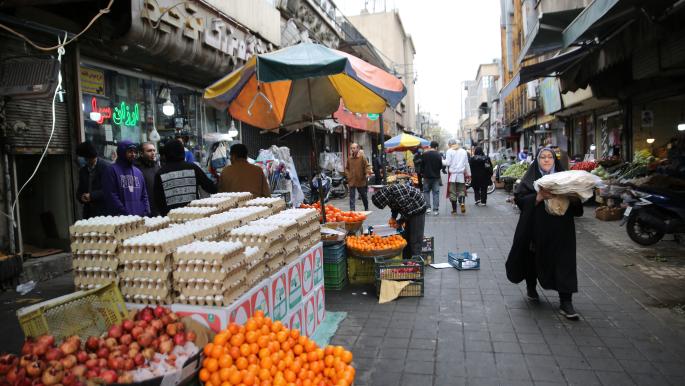
The economic pressures on Iran are escalating at an unprecedented rate, as the country suffers from the repercussions of the US maritime blockade that began more than a month and a half ago. This blockade has led to a significant erosion of oil revenues, adversely impacting an Iranian economy already struggling with a severe inflation crisis.
Reports indicate that the blockade has resulted in a substantial decline in Iranian oil exports, with Tehran facing difficulties in selling its oil in global markets. This situation exacerbates the economic and social crises the country is experiencing, placing the Iranian government in a precarious position.
Details of the Event
The maritime blockade imposed by the United States on Iran specifically targets oil exports, which are considered one of the main sources of government revenue. Data has shown that Iranian oil exports have dropped significantly, affecting the government's ability to fund its projects and meet citizens' needs.
Moreover, inflation in Iran has reached record levels, with the prices of essential goods rising sharply, further increasing the suffering of citizens. Statistics reveal that the inflation rate has surpassed 40%, making daily life difficult for many Iranians.
Background & Context
Historically, Iran has faced numerous economic crises due to international sanctions, but the current situation is among the most severe. Following the United States' withdrawal from the nuclear agreement in 2018, Washington imposed a series of economic sanctions that have significantly impacted the Iranian economy.
The Iranian government is seeking solutions to these crises, but the challenges remain substantial. Tehran has attempted to strengthen its relations with other countries to compensate for the revenue shortfall, but it faces difficulties in doing so due to ongoing international pressures.
Impact & Consequences
The repercussions of the US maritime blockade extend beyond Iranian borders, potentially affecting regional stability. As economic pressures mount, Iran may resort to more extreme measures, increasing tensions in the region.
Additionally, the difficult economic conditions could lead to popular protests, as witnessed in previous years. Such protests may impact the political system in Iran and could compel the government to take harsher actions to suppress any dissent.
Regional Significance
The economic situation in Iran is particularly significant for neighboring Arab countries. As crises escalate, relations between Iran and Arab states may be affected, especially amidst existing political tensions.
Furthermore, any escalation in economic conditions could lead to an influx of refugees from Iran to neighboring countries, increasing the pressures on those nations. Thus, the situation in Iran warrants special attention from Arab countries.
In conclusion, the economic conditions in Iran remain under scrutiny as pressures from the US blockade intensify. These pressures are expected to continue affecting both the internal and external stability of the country, necessitating close monitoring by the international community.