The Aceh Rehabilitation and Reconstruction Unit reported that the educational process has fully resumed, with 3,046 educational facilities returning to operation, despite the existence of 34 emergency classrooms, 36 classrooms in tents, and 4 classrooms in other buildings.
The head of the operations center at the unit, Safrizal Z. A, stated that education has continued at 100%, demonstrating the authorities' commitment to stabilizing education in the affected area. He confirmed that the emergency classrooms do not hinder the educational process, allowing students to continue their studies.
Details of the Event
According to data obtained by the unit, the number of educational facilities affected by natural disasters in Aceh reached 3,120, including kindergartens, primary schools, and secondary schools. Among these facilities, 1,287 were classified as slightly damaged, while 1,382 were moderately damaged and 188 were severely damaged, with 63 schools relocated to new sites due to their location in hazardous areas.
Safrizal added that the Ministry of Education has announced plans to build permanent schools to replace those that were severely damaged, enabling students to return to a stable educational environment.
Background & Context
Historically, the Aceh region has experienced numerous natural disasters, including the earthquake and tsunami in 2004, which resulted in widespread devastation. Since then, the government has made significant efforts to rebuild infrastructure, including educational facilities.
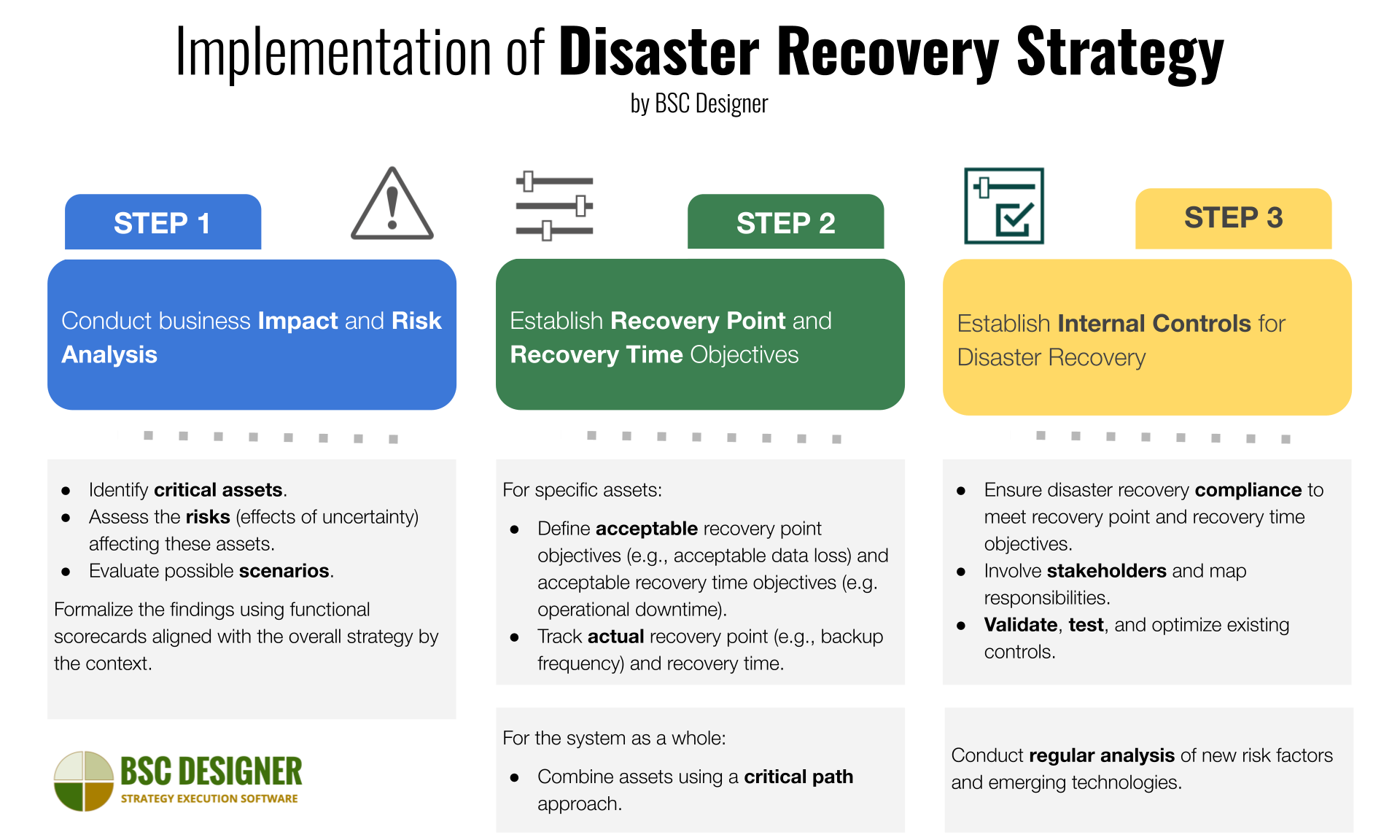
These efforts are part of a comprehensive disaster recovery strategy, as the government aims to ensure the continuity of education as a fundamental right for all children, even in challenging circumstances.
Impact & Consequences
The complete resumption of the educational process in Aceh is a positive step towards rebuilding the community. Education is a key factor in promoting sustainable development, and the return of students to schools signifies a restoration of hope for a better future.
However, challenges remain, as the presence of emergency classrooms may affect the quality of education. It is crucial for the government to continue its efforts to provide a suitable and safe educational environment for students.
Regional Significance
Aceh's experience in disaster recovery serves as a model for many Arab countries facing similar challenges. Arab nations can benefit from the lessons learned from Aceh on how to address the impacts of natural disasters.
Highlighting the importance of education during crises reflects the commitment of Arab countries to achieving sustainable development and enhances communities' ability to recover and grow.