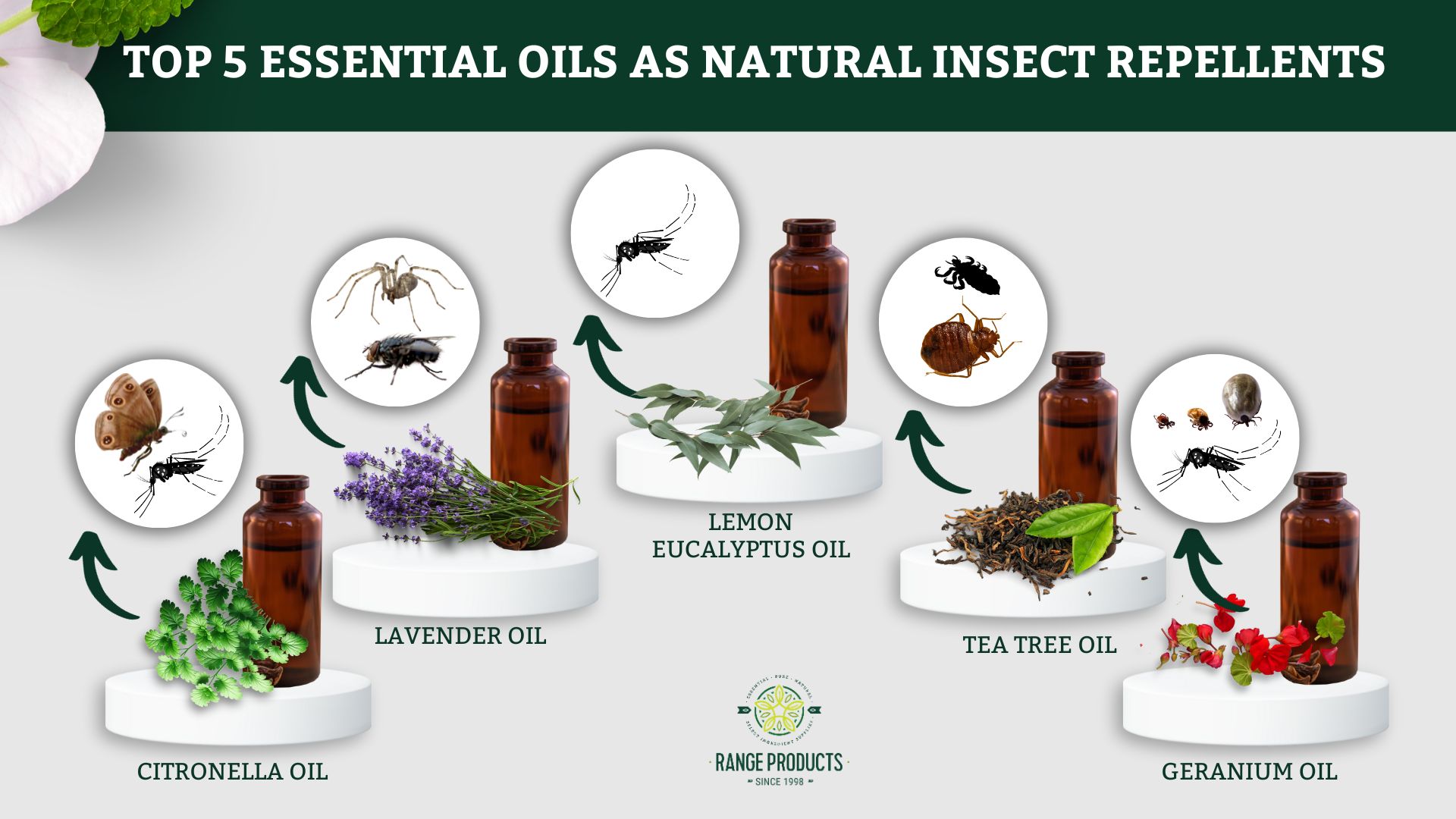
Questions are increasingly being raised about the effectiveness of natural perfumes and oils in repelling insects, as many believe that strong scents could be an effective means of getting rid of these pests. With the rising use of chemical substances in pest control, interest in natural alternatives emerges as a safe and environmentally friendly option.
Research indicates that certain essential oils, such as lemon oil and peppermint oil, can be effective in repelling insects. These oils contain natural compounds known for their insect-repelling properties, making them a popular choice among those looking to avoid harmful chemicals.
Details of the Studies
The studies conducted on the effectiveness of natural oils in repelling insects include both laboratory and field experiments, where a variety of oils were tested on different types of insects. The results showed that some oils were more effective than others, opening the door for their use as potential alternatives to traditional insecticides.
For instance, one study demonstrated that lemon oil could have a strong impact on mosquitoes, as it disrupts their olfactory senses, making them less capable of locating food sources.
Background & Context
In recent years, concerns have increased regarding the use of chemical insecticides and their negative effects on the environment and human health. This has driven many researchers and consumers to seek natural alternatives. Natural perfumes and oils have garnered significant attention, as they are viewed as safe and effective solutions.
Historically, many cultures have used essential oils for insect-repelling purposes, reflecting an ancient understanding of the properties of these substances. With scientific advancements, it has become possible to study these properties more accurately.
Impact & Consequences
If research proves the effectiveness of natural oils in repelling insects, it could lead to a radical change in pest control methods. This shift could reduce reliance on chemical pesticides, contributing to environmental protection and human health.
Moreover, these findings could open new avenues for the perfume and natural oil industry, where new products specifically targeting insects could be developed, enhancing the market for these products.
Regional Significance
In the Arab region, where many countries face insect problems, natural oils could be an ideal option. Utilizing these alternatives may help mitigate the damage caused by chemical pesticides, contributing to the protection of agricultural environments.
Additionally, raising awareness about the benefits of natural oils could encourage their use in households, thereby reducing the need for harmful chemicals.
In conclusion, the search for natural solutions to combat insects reflects a growing interest in sustainability and public health. As studies continue, we may be on the brink of a revolution in pest control methods.