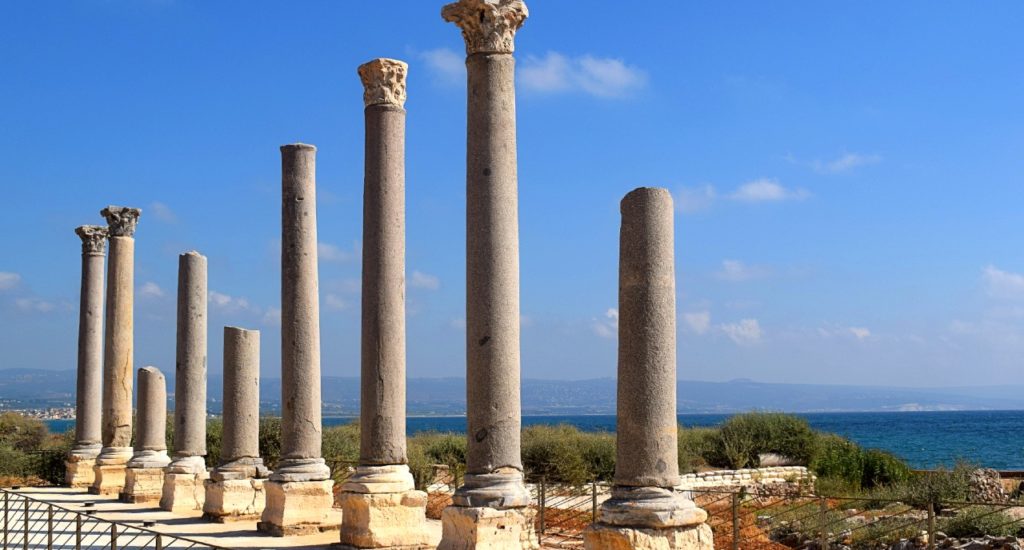
International and local efforts continue to protect the heritage of Tyre, Lebanon, which is considered one of the most prominent sites on the UNESCO World Heritage list, from destruction caused by ongoing airstrikes. One of the most notable efforts is the marking of the heritage sites with the "Blue Shield" emblem, an international symbol aimed at protecting cultural heritage during armed conflicts.
The history of Tyre spans thousands of years, having been an important commercial and cultural center in ancient times. However, the current situation in Lebanon, marked by escalating armed conflicts, threatens this rich heritage. The airstrikes conducted by warring factions place these heritage sites at significant risk, necessitating urgent intervention to protect them.
Details of the Current Situation
In March 2026, Tyre witnessed an escalation in hostilities, leading to an increase in airstrikes on the city. In this context, the United Nations Educational, Scientific and Cultural Organization (UNESCO) announced the launch of a campaign to mark the heritage sites with the "Blue Shield" emblem as a step to protect historical landmarks from destruction.
The threatened heritage sites in Tyre include many historical landmarks, such as the ancient port and the Tyre Castle, which date back to the Phoenician and Roman eras. These landmarks are not only part of Lebanon's heritage but also represent a significant aspect of the cultural identity of the Arab world.
Background & Context
The history of Tyre dates back over 4,000 years, having been a vital commercial hub in the Mediterranean. The city has witnessed numerous conquests and civilizations, including the Phoenicians and Romans. However, the ongoing conflicts in the region, including the Lebanese Civil War and regional disputes, have led to a deterioration of the security and economic situation in the city.
Today, Tyre is considered one of the most prominent tourist destinations in Lebanon, attracting visitors from around the world due to its rich history and archaeological sites. However, the current situation threatens this heritage, calling for urgent action from the international community to protect these landmarks.
Impact & Consequences
If airstrikes continue without international intervention, the heritage sites of Tyre may face complete destruction, resulting in the loss of a significant part of Lebanon's cultural heritage. This destruction will not only affect the city but will also impact the cultural identity of the Arab world as a whole.
Protecting cultural heritage during times of conflict is crucial, as these landmarks represent the history and identity of peoples. Their loss means losing a part of the collective memory of the nation, necessitating a concerted effort from both international and local communities to safeguard them.
Regional Significance
Tyre is considered a symbol of Arab cultural heritage, and its loss would have negative repercussions on tourism and culture in the region. Protecting these heritage sites is not just a local responsibility but a global one that requires cooperation from all nations to safeguard cultural heritage from destruction.
In light of the current circumstances, Arab nations and the international community must act urgently to protect cultural heritage in Lebanon and ensure that such crises do not recur in other parts of the world.