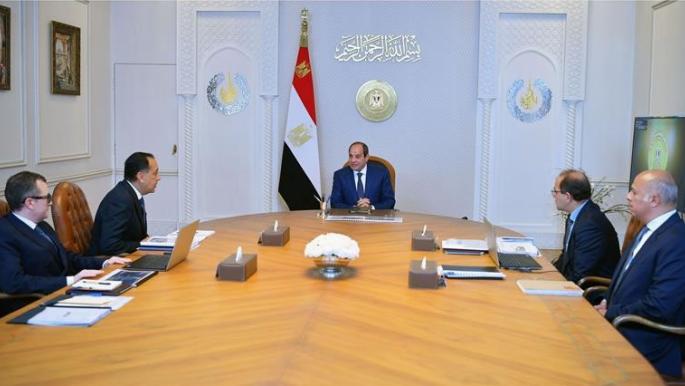
Egyptian President Abdel Fattah el-Sisi held discussions today, Wednesday, with the Prime Minister and the Finance Minister regarding the outlines of Egypt's budget for the fiscal year 2026-2027. These discussions are part of the Egyptian government's efforts to enhance financial discipline and achieve economic stability in light of current challenges.
During the meeting, the main objectives of the new budget were reviewed, which include improving the level of public services and enhancing investments in infrastructure. The importance of achieving a balance between revenues and expenditures was emphasized to ensure sustainable economic growth.
Main Features of the 2026-2027 Budget
The 2026-2027 budget includes clear plans for investment in vital sectors such as education and health, as the government seeks to improve the quality of services provided to citizens. The discussion also touched upon the importance of increasing public revenues through enhanced tax collection and combating tax evasion.
The economic challenges facing the country were also discussed, including inflation and rising prices of essential goods. El-Sisi stressed the need for swift and effective measures to address these challenges, ensuring price stability and improving living standards.
Background & Context
These discussions come at a sensitive time for the Egyptian economy, which faces multiple challenges due to global crises and their impacts on the local market. Egypt has experienced significant economic fluctuations in recent years, prompting the government to implement strict financial policies to ensure economic stability.
Historically, Egypt's state budget reflects the economic and political orientations of the government, serving as a key tool for achieving developmental goals. Since 2016, the Egyptian government has followed an economic reform program in cooperation with the International Monetary Fund, which has led to improvements in some economic indicators, but challenges remain.
Impact & Consequences
The 2026-2027 budget is expected to directly affect citizens' lives, as the government aims to improve the level of public services and enhance investments. The success of this budget depends on the government's ability to achieve a balance between public spending and revenues, which will contribute to strengthening confidence in the Egyptian economy.
Additionally, this budget may impact economic relations with international partners, as the government seeks to attract foreign investments and enhance economic cooperation with other countries. If these plans succeed, it could improve Egypt's economic image on the international stage.
Regional Significance
Egypt's budget for the fiscal year 2026-2027 serves as a model for many Arab countries facing similar economic challenges. Successful financial policies can contribute to enhancing economic stability in the region, helping to attract investments and achieve sustainable development.
Moreover, Egypt's success in achieving its budget goals may have a positive impact on neighboring countries, potentially leading to enhanced regional cooperation and increased trade exchange.
In conclusion, the discussion of the 2026-2027 budget represents an important step towards achieving financial and economic stability in Egypt, reflecting the government's commitment to improving living standards and promoting sustainable development.