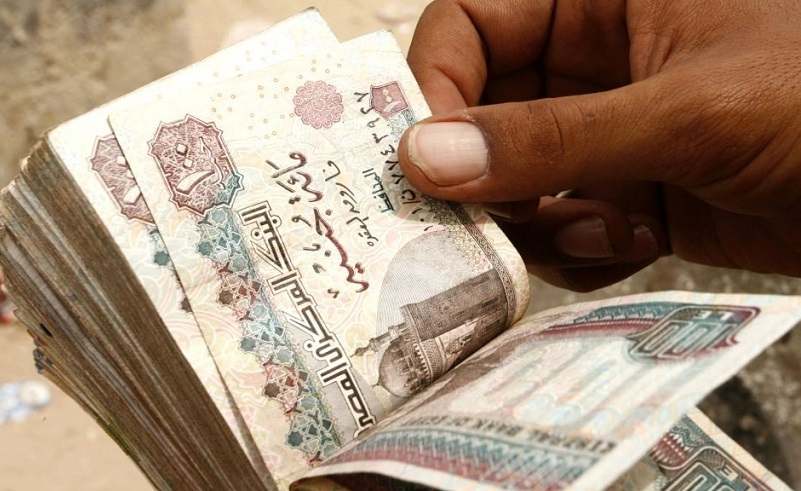
Egypt's Prime Minister, Dr. Mostafa Madbouly, announced that the country has achieved an unprecedented primary surplus valued at 1.2 trillion pounds, which is considered a historic accomplishment given the difficult economic conditions Egypt is facing.
This primary surplus reflects the Egyptian government's efforts to improve financial performance and enhance revenues, despite the challenges facing the national economy, including inflation and rising prices of essential goods.
Details of the Achievement
During a press conference, Madbouly explained that this surplus resulted from an increase in public revenues, which contributed to reducing the financial deficit. He noted that the government has implemented a series of economic measures that helped achieve this milestone, including improving tax collection efficiency and expanding the tax base.
The Prime Minister also confirmed that this surplus will support developmental and service projects, enhancing the government's ability to face future challenges.
Background & Context
Historically, Egypt has faced numerous economic crises that have impacted growth and financial stability. Since 2016, the Egyptian government has begun implementing an economic reform program in collaboration with the International Monetary Fund, which included reducing subsidies and increasing taxes.
Despite the difficulties, the government has managed to achieve positive growth rates, which have helped boost confidence in the Egyptian economy. The current primary surplus is considered a direct result of these reforms and reflects the government's ability to manage resources effectively.
Impact & Consequences
Achieving a primary surplus of this magnitude could contribute to improving Egypt's credit rating, making it easier for the government to secure external financing on better terms. It may also enhance foreign direct investments, as it demonstrates the government's capacity to achieve financial stability.
Additionally, this surplus could improve public services, such as education and health, positively impacting citizens' living standards. However, the biggest challenge remains how to manage this surplus in a way that ensures its sustainability in the long term.
Regional Significance
Egypt's achievement of a historic primary surplus may have positive effects on other Arab countries, especially those facing similar economic crises. It can be seen as a model for managing financial crises.
This achievement may also enhance economic cooperation among Arab countries, as Egypt could play a pivotal role in supporting economic stability in the region.
In conclusion, achieving a primary surplus of 1.2 trillion pounds is a significant accomplishment for Egypt, reflecting the government's efforts to improve financial performance. However, continued efforts are required to ensure the sustainability of this surplus and achieve sustainable development.