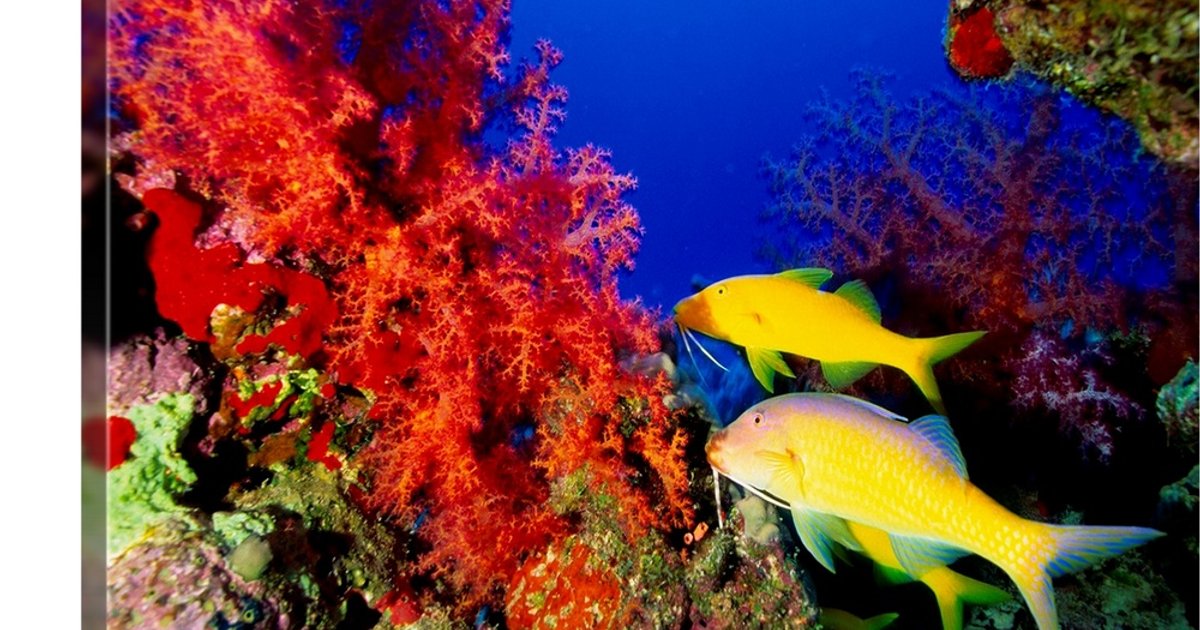
The Egyptian Ministry of Agriculture and Land Reclamation has announced its success in achieving a new scientific milestone with the first artificial breeding of mullet fish, which is considered a pioneering step in the field of aquaculture in the country. This achievement comes at a time when Egypt is striving to enhance its fish production and reduce reliance on imports.
Mullet fish, known for their high nutritional value, are among the important species in the Egyptian market, where they are widely consumed in restaurants and markets. This step could represent a new beginning for the development of the aquaculture industry, contributing to food security and boosting the national economy.
Details of the Achievement
The artificial breeding process was carried out at one of the ministry's research centers, utilizing modern techniques to ensure the success of the operation. Officials indicated that this experiment marks the beginning of a comprehensive program aimed at improving the quality of locally produced fish and increasing production quantities.
It was also emphasized that this step will contribute to providing new job opportunities in the aquaculture sector, thereby enhancing economic development in coastal areas. Several tests were conducted to ensure the safety of the produced fish, confirming that they are free from diseases.
Background & Context
This achievement comes amid the challenges Egypt faces in the field of food security, as the government seeks to reduce the gap between production and consumption. The aquaculture sector in Egypt has witnessed significant growth in recent years, with numerous projects implemented to develop this sector.
Mullet fish are among the species that are heavily consumed in Egypt, making them a primary target for aquaculture. Studies have shown that the demand for these fish is continuously increasing, necessitating an increase in local production to meet market needs.
Impact & Consequences
The success of this project could improve the economic situation for many families that rely on fishing as a primary source of income. Additionally, increasing mullet production will help reduce prices in the markets, benefiting consumers.
Moreover, this achievement may encourage further investments in the aquaculture sector, contributing to the development of the technologies used and enhancing the country's ability to achieve self-sufficiency in fish production.
Regional Significance
This achievement serves as a model for other Arab countries seeking to develop their agricultural and fishery sectors. Successful experiences in Egypt can facilitate knowledge and expertise exchange among Arab nations, enhancing regional cooperation in food security.
Furthermore, Egypt's success in this field may open new horizons for exporting to foreign markets, strengthening its position as a leading fish producer in the region.
In conclusion, Egypt's success in achieving the first artificial breeding of mullet fish represents an important step towards enhancing food security and developing the aquaculture sector. This achievement is expected to have positive impacts on the local economy, bolstering the country's ability to meet market needs and reinforcing its position in the region.