The Egyptian Ministry of Foreign Affairs, in an official statement, condemned the Israeli airstrikes targeting Lebanese infrastructure, indicating that these operations represent a policy of collective punishment implemented by Israel against Lebanon. The ministry emphasized that the strikes, which impact vital facilities such as bridges and roads, negatively affect civilians' lives and contribute to worsening humanitarian conditions in the country.
The ministry also criticized the targeting of bridges over the Litani River in southern Lebanon, stressing that these attacks represent a systematic and deliberate approach by Israeli forces. This statement comes as the security situation in the region has intensified, with Lebanon facing increasing pressure due to ongoing conflicts and military operations.
Details of the Incident
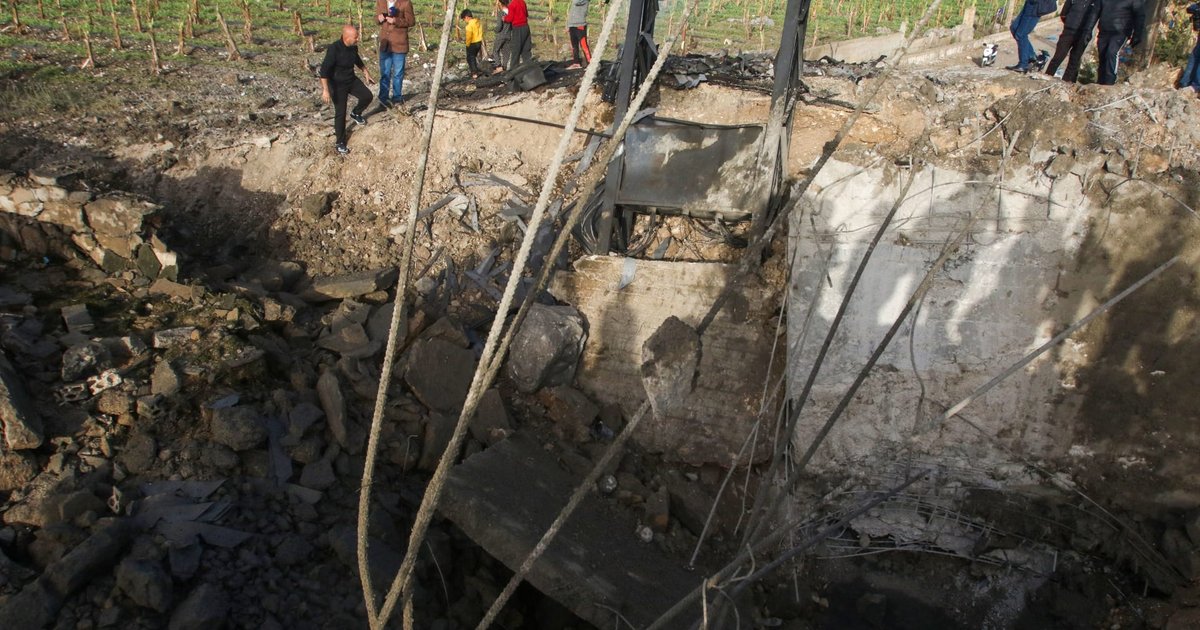
On around March 23, 2026, an Israeli airstrike targeted the Qasmiyeh Bridge, one of the crucial bridges linking villages in the Tyre area with other regions in northern Lebanon. Images from the strike site showed devastating impacts, with a deep crater indicating the extent of the destruction caused by the attacks. Later, civilians in the area gathered to search for traces of the strike and to bolster the feelings of the affected communities.
It is noteworthy that recent attacks have heightened tensions between Lebanon and Israel, with observers warning that any escalation could affect regional stability overall.
Background & Context
Lebanon has experienced increasing tensions in recent years as a result of regional conflict and internal divisions. Israeli attacks on Lebanese infrastructure are not new; they are part of a longstanding history of the Israeli-Arab conflict, with such attacks recurring at various points over the past decades as a means to pressure the Lebanese people. Since 2006, which witnessed the Second Lebanon War, Israeli strikes on Lebanese infrastructure have increased as part of its strategy to weaken Hezbollah and escalate pressure on the Lebanese government.
In recent years, the conflict has taken on new dimensions with the emergence of economic and social crises in Lebanon, further complicating the current situation. As the humanitarian conditions deteriorate, civilians find themselves in an additional struggle to maintain their lives and properties.
Impact & Consequences
Current data indicate that Israeli strikes will exacerbate humanitarian crises in Lebanon, with the number of casualties increasing and the scale of damage to infrastructure growing. This situation may also lead to a more serious international response to the humanitarian crisis in Lebanon, as the international community convenes to discuss ways to address the humanitarian impact resulting from the attacks.
Additionally, the Lebanese government may be compelled to take precautionary measures to enhance its defensive capabilities and directly appeal to the international community for humanitarian support. These events could also impact stability in the region as a whole, potentially intensifying tensions among various groups.
Regional Significance
The impact of these strikes on the overall Arab situation is significant, as Arab nations view Lebanon as a bellwether for deeper political and economic developments in the region. Neighboring countries are monitoring events closely for fear that escalating tension could expand into broader regional conflicts.
The danger lies in that rising violence could fragment the collective Arab effort toward numerous critical issues, such as the Palestinian cause, which would have lasting negative implications for Arab-Arab relations. Overall, the current events serve as a reminder of the complexity and entanglements in the Israeli-Arab conflict; nevertheless, hope remains for reaching peaceful solutions to end the ongoing violence.