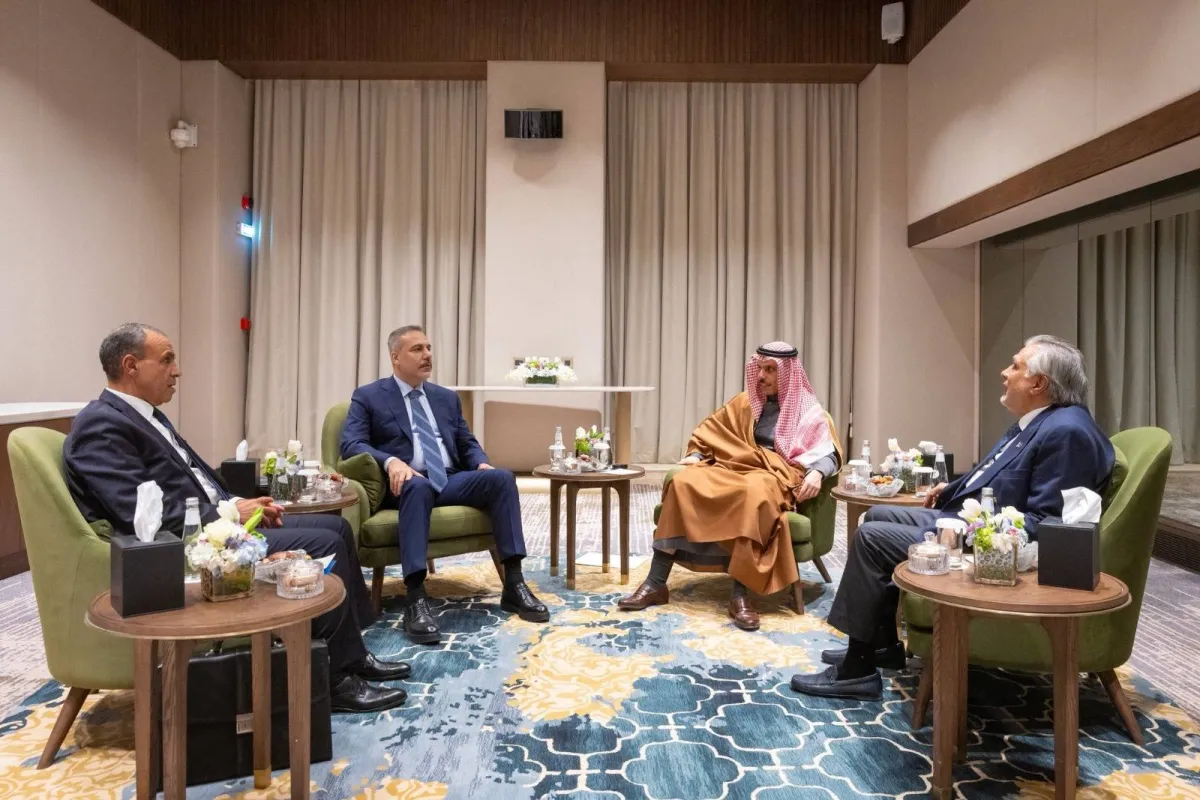
Egypt is intensifying its efforts to facilitate negotiations between the United States and Iran, with Tehran receiving negotiation points through intermediaries. These developments come amid escalating military tensions in the region, raising concerns about negative implications for regional security.
Egyptian Foreign Minister Badr Abdel Aty has conducted phone calls with his counterparts from several countries, including Saudi Arabia, Oman, the UAE, Turkey, Pakistan, France, and Cyprus, in addition to Steve Wittekov, the U.S. Special Envoy for the Middle East. Tameem Khalaf, the official spokesperson for the Ministry of Foreign Affairs, confirmed that these communications are part of Egypt's commitment to coordinate with regional and international partners to address increasing security challenges.
Details of the Developments
Khalaf reported that the communications addressed potential negotiations between the Iranian and American sides, noting that Egypt aims to bridge the viewpoints of both parties. He emphasized that dialogue is the only way to avoid chaos in the region, stressing the need to halt Iranian aggressions against Gulf states.
Additionally, CBS reported a senior Iranian Foreign Ministry official stating that Iran has received negotiation points from the United States through intermediaries, indicating the possibility of progress in the negotiations. Former Assistant Foreign Minister Mohamed Higazi explained that Egypt is leveraging its credibility with both Tehran and Washington to convey important messages focusing on supporting Gulf states.
Background & Context
These developments occur at a time when the region is witnessing increasing military escalation, with Gulf states facing threats from Iran. Egyptian President Abdel Fattah el-Sisi recently conducted a Gulf tour that included Saudi Arabia, Qatar, the UAE, and Bahrain, where he emphasized that Gulf security is an integral part of Egyptian and Arab national security.
Egypt has also expressed its readiness to mediate between the United States and Iran, with Sisi highlighting the importance of political and diplomatic solutions to the crisis during a phone call with Iranian President Masoud Bezhakian. This move is part of Egypt's efforts to enhance its role as a regional mediator in hot-button issues.
Impact & Consequences
Analyses suggest that Egypt's success in advancing negotiations could contribute to calming the situation in the region and reduce the likelihood of military escalation. However, doubts remain regarding the seriousness of both parties in reaching an agreement, especially amidst ongoing Israeli attacks on Iran.
There are also concerns that continued escalation could lead to widespread chaos in the region, threatening both regional and international security and peace. In this context, Arab and international coordination is vital to avoid further escalation.
Regional Significance
The current developments in negotiations between Washington and Tehran hold significant importance for the Arab region, as any agreement could help improve security conditions in Gulf states. Egypt's initiative reflects a strong desire to enhance regional security and bolsters Cairo's role as a mediator in regional issues.
In conclusion, hope remains pinned on the success of diplomatic efforts to achieve a comprehensive de-escalation and avoid further escalation that could drag the region into new crises.