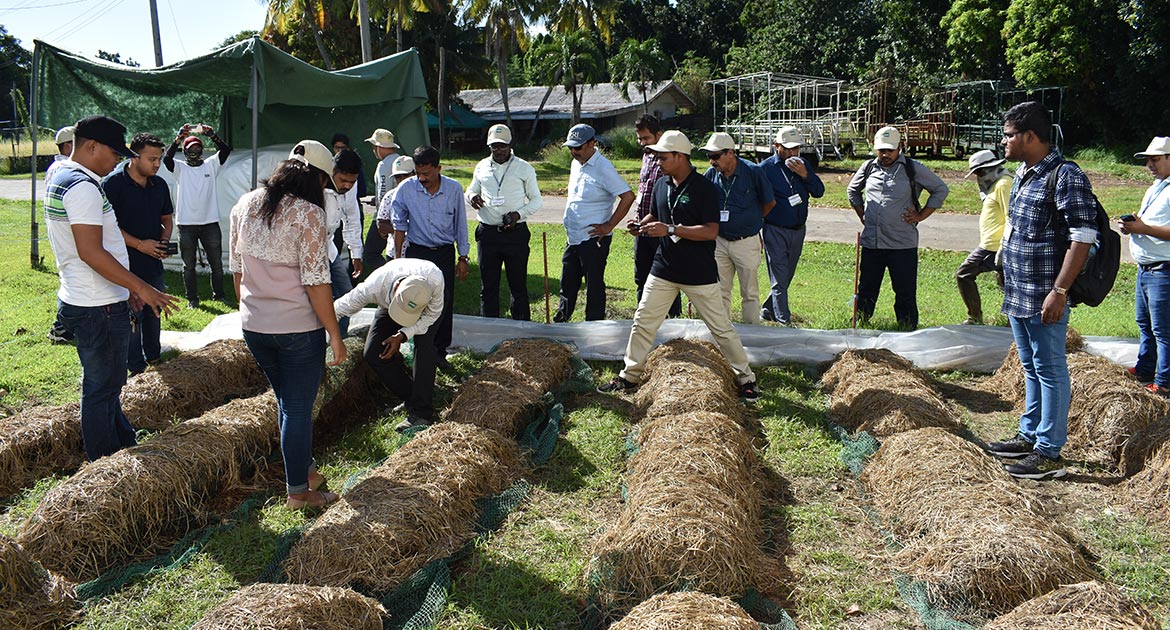
The Egyptian Minister of Local Development and Environment announced during a hearing session before the House of Representatives that the government has successfully managed 2.6 million tons of rice straw in 2025. This step is part of the government's efforts to improve agricultural waste management and enhance environmental sustainability.
The minister pointed out that this initiative aims to reduce the environmental impact caused by the burning of rice straw, which is a common practice in many agricultural areas. She emphasized that the government is seeking alternative solutions that contribute to transforming this waste into valuable resources.
Details of the Initiative
During the session, the minister reviewed a series of measures taken to manage rice straw, including the establishment of centers for collecting agricultural waste and providing technical support to farmers. Collaboration has also been made with several local and international entities to develop new technologies in this field.
She explained that these efforts are part of the government's strategy to achieve sustainable development, as agricultural waste represents a significant challenge affecting the environment and public health. A special budget has been allocated to support these initiatives, reflecting the government's commitment to improving the quality of life for citizens.
Background & Context
Egypt is considered one of the major agricultural countries, producing large quantities of rice annually. However, rice straw poses an environmental burden, as it is often burned, leading to air pollution and increased health risks. Therefore, effective management of this waste is essential.
In recent years, the Egyptian government has begun taking serious steps to address this issue by encouraging the use of modern technologies in agricultural waste management. Several pilot projects have been implemented in various governorates, contributing to improving the environmental situation.
Impact & Consequences
The government expects these initiatives to contribute to improving air quality and reducing pollution-related diseases. Additionally, converting rice straw into useful resources can help enhance the local economy by creating new job opportunities.
Moreover, these steps reflect Egypt's commitment to international standards in environmental protection, which may enhance its image on the international stage and attract investments in this sector.
Regional Significance
Egypt's experience in managing rice straw serves as a model that other Arab countries facing similar challenges in agricultural waste management can benefit from. Knowledge and technology exchange among Arab nations can help achieve sustainable development.
Furthermore, regional cooperation in this area can contribute to enhancing food security and reducing the environmental impact of agriculture, highlighting the importance of collective action in addressing environmental challenges.
In conclusion, the Egyptian government's efforts to manage rice straw reflect a genuine commitment to achieving sustainable development, contributing to improving the daily lives of citizens and enhancing environmental health.